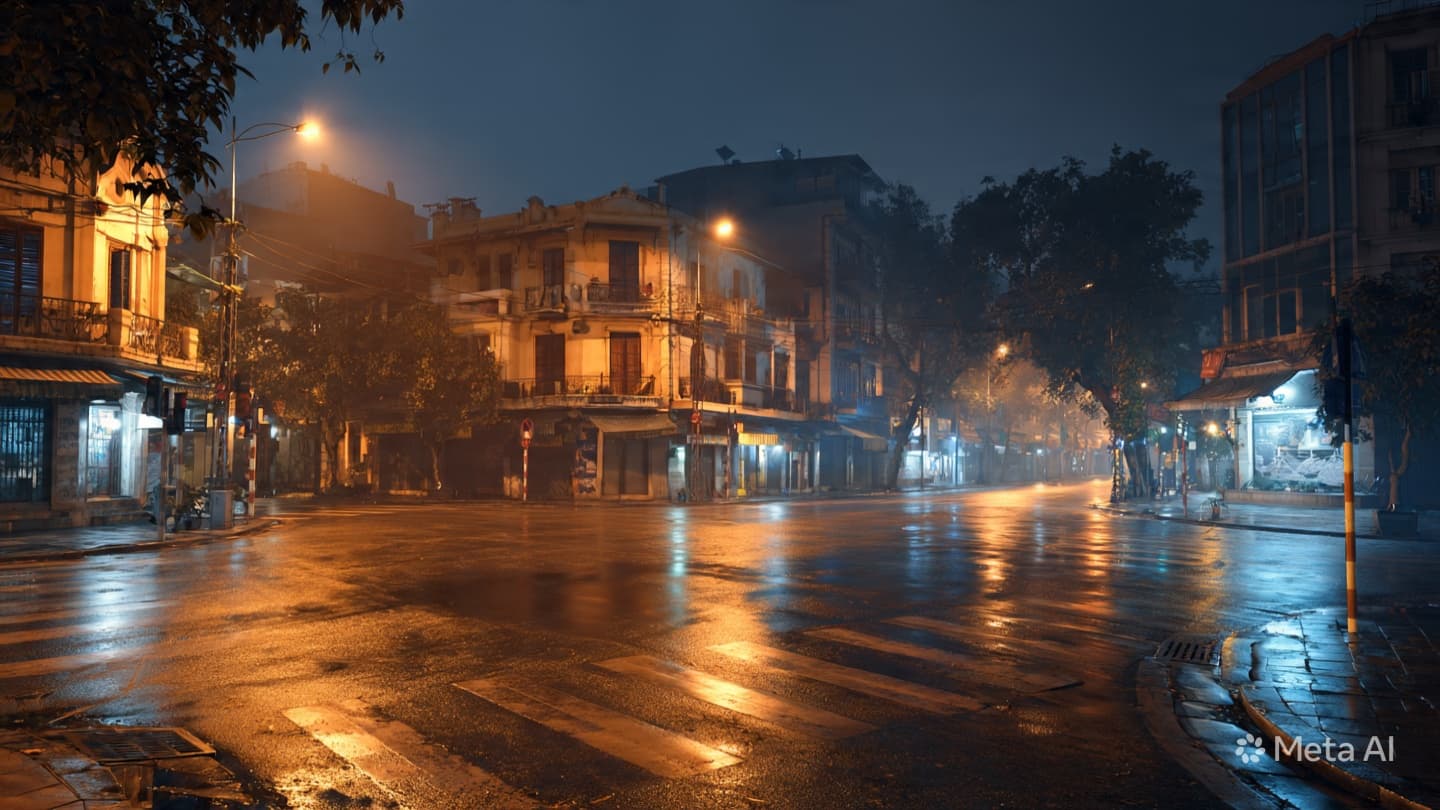
The city of Hanoi, with its intricate web of streets and the ceaseless, fluid motion of its inhabitants, possesses a rhythm that usually hums with the steady pulse of daily survival. On most nights, the roads serve as the arteries of this vitality, where the hum of motorcycle engines provides a constant, ambient backdrop to the life of the capital. Yet, there are moments when this familiar, organized chaos is interrupted, revealing the inherent vulnerability of those who traverse these pathways under the cover of darkness. The events of late June, where consecutive accidents left a wake of sorrow, serve as a stark reminder of the fragile balance between momentum and tragedy.
Within the span of a single night, the tranquility of the streets was twice shattered. In the quiet hours when the city’s pace is meant to soften, these self-inflicted incidents occurred, turning ordinary commutes into scenes of sudden, irreversible consequence. It is a sobering reflection on the nature of urban travel—how a simple error in judgment, a moment of distraction, or the unforeseen hazards of the road can transform the expected progression of a journey into a narrative of loss. For those who witnessed or responded to these scenes, the immediate transition from the mundane to the catastrophic is a reality that leaves a lasting imprint on the collective consciousness.
These accidents, isolated as they may seem, contribute to a broader, more persistent conversation about safety and responsibility in an urban landscape that is expanding and accelerating. The motorcyclist, often the most exposed participant in the city’s transit ecosystem, is frequently at the mercy of both their own actions and the unpredictable variables of the road. When the asphalt becomes a place of collision, the impact is not just physical; it resonates through the families and communities who are left to grapple with the sudden absence of their loved ones.
It is difficult to view these events without considering the weight of the human element. The machines we use to traverse the city are powerful and efficient, but they are also unforgiving. They require a level of attention and care that is often diminished by the fatigue of the night or the assumption of familiarity with the routes we travel every day. This disconnect—between the routine nature of our movement and the extreme danger that can emerge from it—is the central tension of life in a modern metropolis.
The aftermath of such incidents typically follows a standard, clinical trajectory: the arrival of emergency services, the cordoning off of the scene, and the subsequent investigations by local authorities. Yet, this process, while necessary for the maintenance of order, rarely offers the solace needed to address the emotional depth of the tragedy. It is a bureaucratic response to a human problem, a way of cataloging the ‘what’ and the ‘how’ while the ‘why’ remains largely anchored in the subjective, unrecorded moments that preceded the impact.
As Hanoi moves forward, the city continues its relentless march toward development, with new infrastructure and expanded transit networks designed to streamline the way its people live and work. But these improvements, while essential, cannot fully account for the unpredictability of human behavior. The challenge remains to cultivate a culture of road safety that is as pervasive and ingrained as the city’s commitment to progress—a culture where the value of a single life is placed above the convenience of speed or the urgency of a nocturnal commute.
Reflecting on these fatalities offers an invitation to pause and consider the risks we navigate every day, often without a second thought. It is a moment to honor the lives that were extinguished and to acknowledge the persistent, quiet dangers that exist just beneath the surface of our urban existence. In the end, the most significant measure of our success as a society will not be found in the efficiency of our roads, but in our ability to protect those who travel them, ensuring that the journey, however long or short, is one that always concludes in the safety of home.
Between the night of June 22 and the early morning of June 23, 2026, two self-inflicted motorcycle accidents occurred in Hanoi, resulting in three deaths and two injuries. Initial reports indicate that these were independent incidents, with one accident in Duong Noi Ward involving a motorcycle carrying three people that veered onto a sidewalk. Local police have launched investigations into the circumstances surrounding both collisions to determine the specific factors that led to these tragic outcomes.
Published by Banx Network. This article is part of the Banx decentralized media programme, powered by the BXE token on the XRP Ledger.

.jpg&w=3840&q=75 "Russia Turns Black Sea Into World’s Deadliest Shipping Route as More Than 570 Ships Are Hit")