
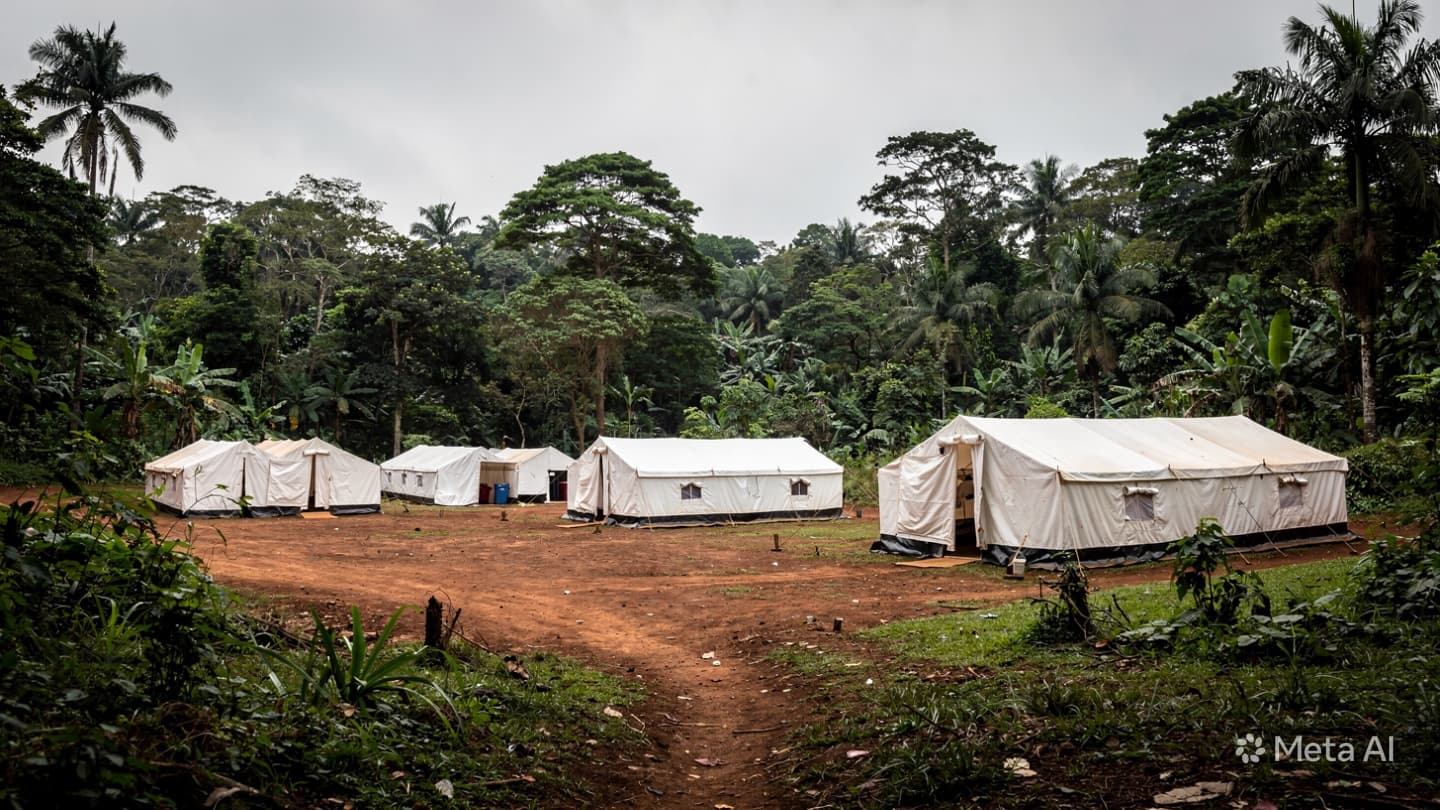
The forest air hangs heavy, thick with the humidity of the Congolese basin, where time seems to slow under the weight of an invisible and encroaching shadow. Life here has always been defined by the rhythm of the seasons and the resilience of those who call these provinces home, yet recently, that rhythm has been disrupted by a silent, swift intruder. It is a presence that moves through communities without sound, leaving behind a silence where there was once the bustle of daily survival and the vibrant hum of market life.
As the sun rises over the eastern horizons, the tally of loss begins to climb, a somber reminder of the fragility that defines the landscape of this region. Across the provinces, the numbers shift, each one representing a life once woven into the tapestry of a family, a village, or a collective history. The concern is not merely in the mathematics of the rising cases, but in the human stories that linger behind the clinical data, etched into the collective memory of a people accustomed to weathering storms.
Healthcare workers move with a quiet, practiced intensity, their figures appearing as spectral silhouettes against the backdrop of clinics and temporary wards. They are the frontline observers, witnessing a tragedy that unfolds with a cold, biological precision that defies the warmth of the communities they serve. Their work is a labor of endurance, a constant negotiation with a pathogen that cares little for the boundaries of geography or the structures of human governance.
In the remote health zones, the challenge is amplified by the isolation of the terrain and the scarcity of resources that can turn a treatable condition into a dire prognosis. The infrastructure, already strained by history and the complexities of regional instability, struggles to contain a force that seems to exploit every fracture in the local system. Roads that disappear into the mud and communication lines that flicker in and out of existence become characters in this unfolding narrative of struggle.
There is a profound, meditative stillness that descends when a community is forced to confront such a pervasive threat. It is a collective holding of breath, a suspension of normalcy as the population waits for the arrival of aid, for the promise of intervention, or for the simple reassurance that the tide might turn. The air is filled with the scent of rain and the unspoken anxieties of those who wait, their eyes fixed on the horizon for signs of relief.
Despite the gravity of the situation, there remains a persistent, quiet movement of resilience, as local leaders and international partners coordinate in a dance of logistical complexity. The effort is measured in tonnes of supplies, in the deployment of community health workers, and in the persistent, often overlooked work of contact tracing that forms the shield against further spread. It is an intricate, human endeavor that seeks to impose order on a chaotic and rapidly shifting biological landscape.
The emotional weight of the crisis is rarely articulated, yet it is felt in the hushed conversations at the edges of the encampments and in the steady, focused gazes of those who have seen too much. There is a desire for clarity, for a narrative that explains the sudden disruption of a life that was finally beginning to find its rhythm again. The reality is often far more complex, layered with the echoes of past crises and the immediate, pressing demands of a future that seems uncertain.
As the week concludes, the focus remains on stabilization, on the slow, methodical process of bringing the outbreak under control through vigilance and sustained community engagement. The path forward is not marked by dramatic victories but by the incremental success of containment and the quiet, persistent care for those affected. In the end, the story of this outbreak is a testament to the endurance of the human spirit in the face of an unpredictable and relentless natural force.
According to the latest figures from the DRC Ministry of Health and global health observers on June 13, 2026, the cumulative death toll from the current Ebola outbreak has reached 139 individuals. Efforts to bolster clinical management and vaccination awareness continue across the affected provinces.
Note: This article was published on BanxChange.com and is powered by the BXE Token on the XRP Ledger. For the latest articles and news, please visit BanxChange.com