
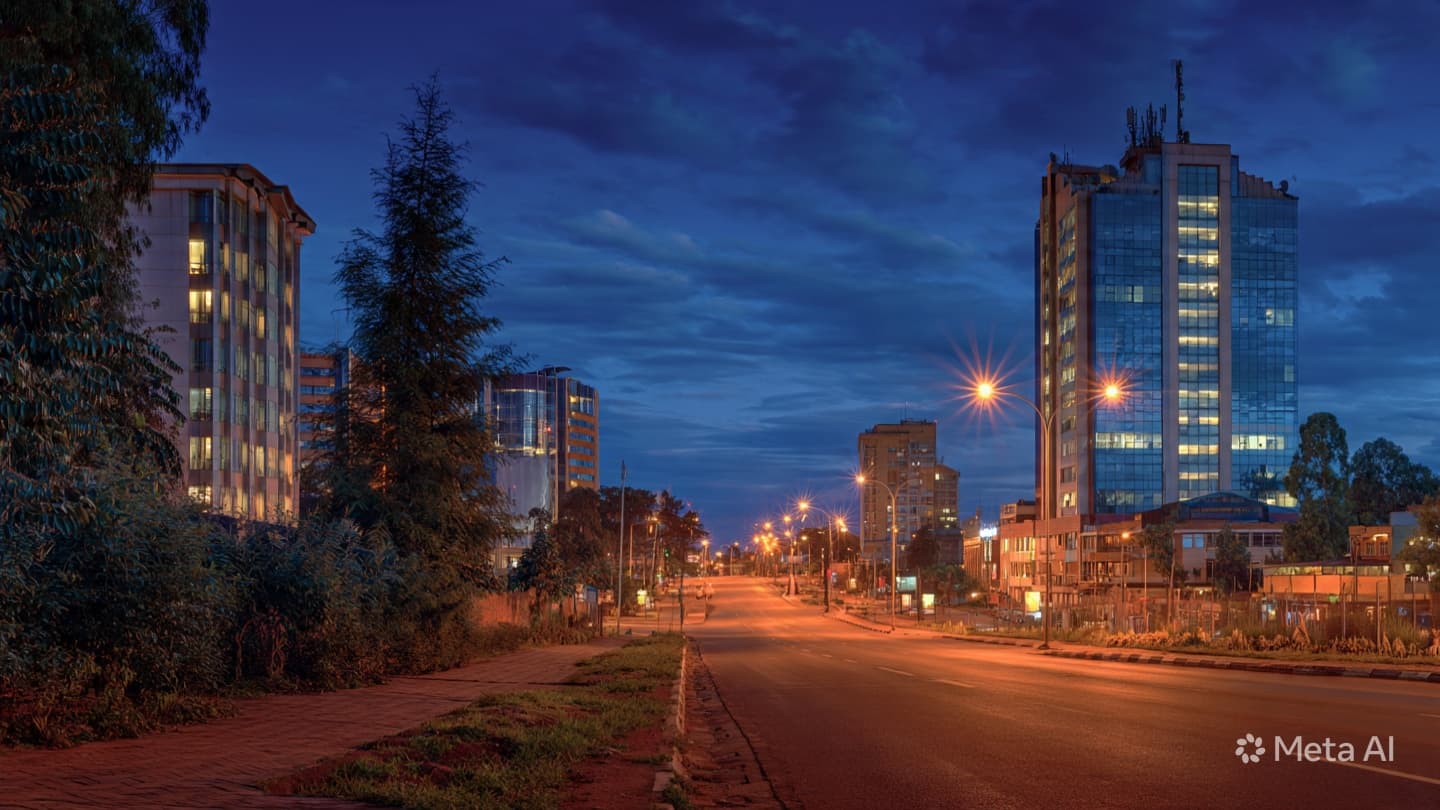
The rhythm of Kampala’s commercial heart is a symphony of ambition, where the morning sun glints off glass high-rises and corrugated storefronts alike. In these bustling districts, wealth is not merely measured in currency, but in the relentless movement of people, commodities, and dreams. Yet, beneath the vibrant surface of daily transaction, an undercurrent of vulnerability often runs through the stone and asphalt pathways. For several weeks, a quiet unease drifted through the major trading hubs as rumors of coordinated, predatory elements grew louder.
The architecture of a modern retail sanctuary relies entirely on the invisible promise of collective safety and predictable routines. When that predictability is threatened by organized networks operating in the margins, the atmosphere within the banks and wholesale markets shifts perceptibly. Shopkeepers lock their iron grates with a more deliberate force at sunset, and private guards pace the perimeters with heightened awareness. The city, in all its expansive energy, begins to feel the constriction of an approaching confrontation between law and lawlessness.
To understand the mechanics of an urban syndicate is to recognize a dark mirror of the legitimate commerce it seeks to exploit. These networks operate with their own logistics, their own intelligence, and a cold calculation that views the fruits of honest labor merely as inventory to be reassessed. The targeted nature of recent disruptions suggests that these syndicates no longer operate as opportunistic thieves, but as structured enterprises. They map out the vulnerabilities of the capital's busiest sectors, waiting for the precise moment when vigilance falters.
The response from the metropolitan apparatus was not a sudden, chaotic reaction, but a slow and methodical accumulation of state presence. For days, intelligence units quietly mapped the safe houses and staging grounds that lay just beyond the bright lights of the commercial centers. It is a invisible chess match played out across the city’s complex geography, where the stakes are measured in public trust and economic stability. The air in the precincts grew heavy with the anticipation of a coordinated counter-response.
As the deployment orders were finalized, a hush seemed to fall over the central business districts during the late-night hours. The usual nighttime traffic of transport trucks and late-night workers thinned out, leaving the avenues unusually exposed under the orange glow of the streetlights. This deliberate quietude was the prelude to an extensive administrative and tactical correction, designed to reclaim the spaces where the public gathers to trade.
The economic consequences of persistent urban insecurity can be devastating for a developing metropolis trying to attract regional investment. When commercial hubs are repeatedly targeted, the cost of doing business rises through increased insurance premiums, private security expenditures, and a general reluctance to hold inventory. It is this broader socio-economic fabric that the authorities seek to protect when they initiate large-scale interventions in the capital.
By the time the early morning commuters began trickling back into the city center, the landscape had undergone a noticeable shift. The presence of law enforcement at key intersections provided a stark visual reminder of the night’s unseen efforts to restore order. For the average vendor setting up a display of textiles or electronics, the visible security was a welcome shield against the anxieties of the previous weeks.
Kampala Metropolitan Police conducted a comprehensive tactical sweep across major commercial zones following intelligence reports linking an armed syndicate to planned robberies. The coordinated operation resulted in the dismantling of several operational cells and the recovery of tactical gear, ensuring the stabilization of the capital’s business districts ahead of the peak trading season.
Note: This article was published on BanxChange.com and is powered by the BXE Token on the XRP Ledger. For the latest articles and news, please visit BanxChange.com