
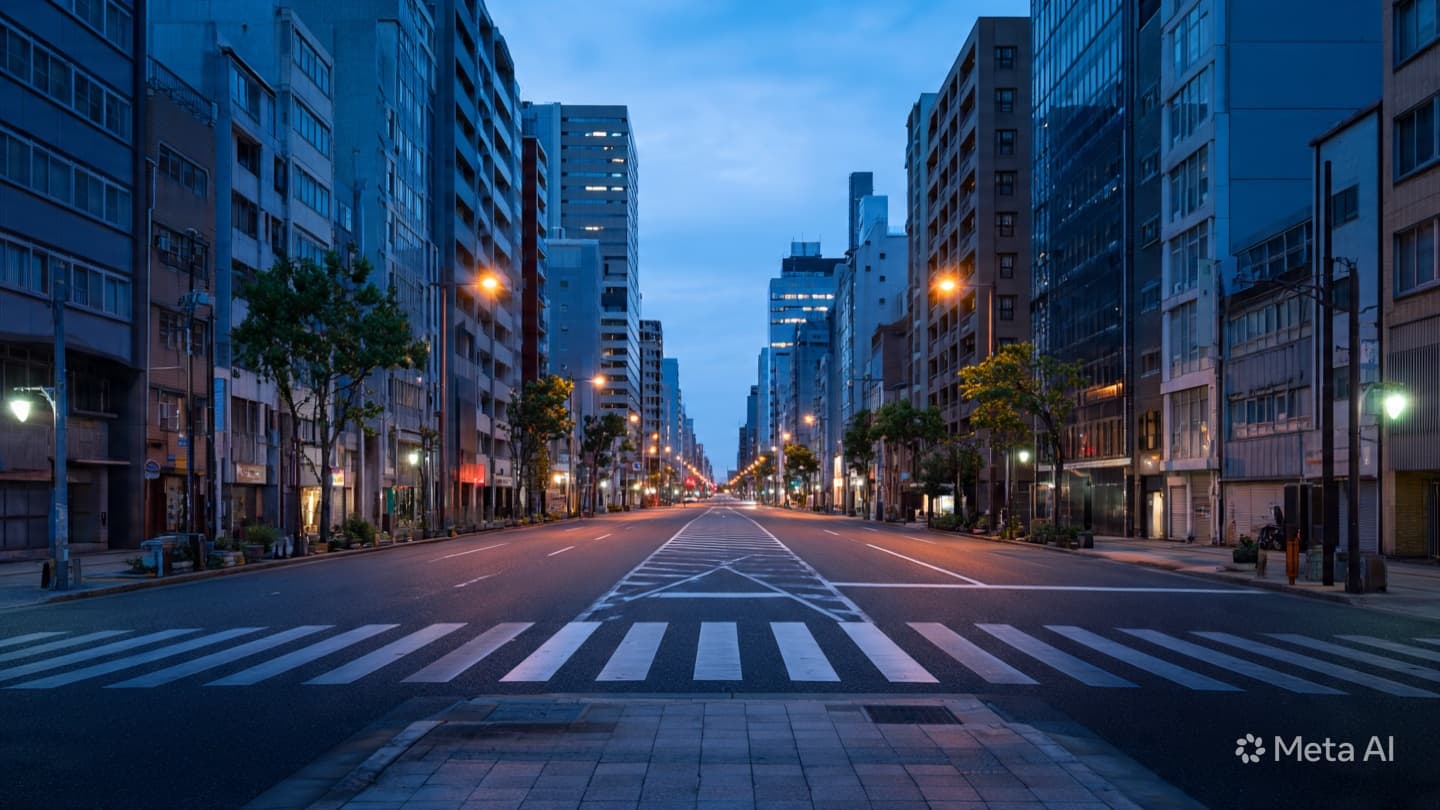
The city of Nagoya possesses a rhythm that is both orderly and expansive, a vast machine of glass, steel, and human motion that pulses with the urgency of daily life. In the quiet intersections of this urban landscape, there exists an implicit trust, a silent understanding between those who navigate the roads and those who traverse the crosswalks. It is a fundamental covenant of modern living. However, when that trust is broken—when the trajectory of a vehicle diverges from the safety of the path—the resulting stillness is heavy with a profound, almost primal sense of disorder. The recent loss of two lives on the streets of Nagoya serves as a sobering reminder of the thin margin that exists between our routines and the unthinkable.
There is a particular atmosphere that settles over a street after a tragedy, a quality of light that seems to dim, turning a bustling thoroughfare into a place of sudden, heavy reflection. The two individuals, caught in the unexpected intersection of transit and catastrophe, were part of the city’s steady, unseen flow, and their departure has left a vacancy that resonates through the local streets. To consider the events is to step back from the frantic pace of the urban environment and acknowledge the sheer fragility of our presence within it. Every commute, every walk, and every journey is an act of faith, one that is occasionally tested by the limitations of our shared environment.
In the wake of such an incident, the response of the community is one of quiet, methodical gravity. The police presence, the temporary disruption of the flow, and the subsequent investigation are not merely bureaucratic necessities; they are the outward markers of a collective attempt to make sense of what has been fractured. The investigation into the circumstances of the hit-and-run is a pursuit of clarity, a way to anchor the erratic, tragic nature of the event to the foundational reality of legal and moral accountability. It is a process that demands a level of emotional restraint, even as the scale of the loss weighs heavily on the consciousness of the neighborhood.
To reflect on this dual tragedy is to confront the multifaceted nature of urban responsibility. We are forced to look at the machines we command, the rules we follow, and the limitations that time and circumstance impose upon our interactions with the world. The act of fleeing the scene, in particular, adds a layer of profound moral complexity to an already devastating narrative, leaving the community to grapple with the darkness of the choice made in the aftermath of the impact. It is a testament to the fact that while our lives are interconnected, our actions in moments of crisis define the boundaries of that connection.
Nagoya, ever the stoic, sprawling entity, continues its momentum, indifferent to the sorrow etched into the pavement of one of its many crossings. The trains remain on time, the commerce continues, and the neon lights of the city continue to illuminate the evening, as if to deny that anything has changed. Yet, for those who knew the two lost, or for those who witnessed the aftermath, the city has been fundamentally altered. A specific crossing, once a mundane convenience, is now a marker of a life—or two—that were abruptly halted, a place where the ordinary flow of time was shattered.
The process of healing for a city, or for a community, is slow and nonlinear. It is built upon the quiet acknowledgment of loss and the deliberate effort to ensure that such occurrences do not become the defining features of our shared spaces. As investigators continue to piece together the trajectory of the vehicle and the final moments of the victims, the broader conversation about urban safety and the duties of the driver gains a new, urgent relevance. It is a conversation that must be conducted with the same calm, reflective tone that we bring to all instances of deep, human loss.
In the end, the lives of those lost remain the focal point, a reminder that behind every statistic and every report lies a deeply individual story of work, family, and the quiet aspirations of an ordinary day. As the city moves forward, the memory of these two souls persists as a quiet, insistent urge toward a greater awareness and a more profound care for one another. The streets of Nagoya will continue to flow, but they will do so with the awareness of the fragility that defines us all, a shared vulnerability that links every pedestrian and every driver in the vast, humming machine of our urban lives.
Local authorities have confirmed the deaths of two pedestrians following a hit-and-run collision in Nagoya. The incident occurred as the victims were navigating a local street, and the driver of the vehicle fled the scene immediately following the impact. Nagoya police have initiated a comprehensive criminal investigation, utilizing witness accounts and surveillance footage to track the movements of the suspect. The site of the accident has been processed for evidence, and officials are currently working to finalize the identity of the driver and coordinate with the public to secure additional information regarding the circumstances of the collision.
Note: This article was published on BanxChange.com and is powered by the BXE Token on the XRP Ledger. For the latest articles and news, please visit BanxChange.com