Public space often carries the illusion of openness—streets that appear neutral, sidewalks that suggest passage rather than pause. Yet in moments where policy, protest, and enforcement converge, even familiar ground can take on a different density, shaped by presence, restraint, and the careful positioning of authority.
In New Jersey, that convergence became visible outside a migrant detention facility, where state police were reported to have asserted control over the area amid heightened activity. The scene, as described in reporting, unfolded at the edge of a space already defined by restriction—where movement is regulated inside, and closely observed outside.
Detention centers occupy a particular role in the broader architecture of migration systems. They are not simply buildings but nodes in a wider administrative network, where legal status, processing, and enforcement intersect. Around them, public attention often gathers in waves—families, advocates, and observers who come to stand near but not within the system itself.
When law enforcement establishes control in such settings, it is often framed as a measure to maintain order, manage access, or ensure security. Yet visually and socially, these moments also underscore the porous boundary between civic space and institutional authority. The street becomes an extension of the perimeter, and presence itself becomes part of the regulated environment.
In many similar contexts across the United States, detention facilities have become focal points for broader debates about immigration policy, due process, and the treatment of migrants awaiting resolution of their legal status. These debates do not remain abstract; they manifest physically at the edges of buildings where decisions are processed and lives are paused.
The presence of state police outside such a facility reflects the layered nature of enforcement in the U.S. system, where federal immigration authority, state-level policing, and local jurisdiction can intersect. Each layer carries its own mandate, but in moments of heightened activity, their roles often overlap in visible ways.
Public gatherings near detention centers are not uncommon. They often reflect advocacy efforts, community concern, or responses to specific enforcement actions. In such environments, law enforcement presence tends to shape the tone of the space, introducing structure to what might otherwise be fluid assembly.
The reported assertion of control by New Jersey state police signals an effort to manage that interface between institutional security and public demonstration. While the operational details vary by situation, the broader dynamic remains consistent: balancing the right to assemble with the requirement to maintain order around sensitive facilities.
Beyond the immediate scene, detention centers continue to function within a larger national framework of immigration processing. Conditions inside, legal proceedings outside, and political debates at the national level all intersect in ways that make these sites persistently visible in public discourse.
The facts reported describe state police asserting control outside a migrant detention center in New Jersey amid heightened activity. Around that factual core sits a wider pattern in which enforcement, protest, and policy are continually negotiating space with one another.
In that negotiation, the boundary is never entirely fixed. It shifts with presence, with policy, and with the moment itself—turning ordinary ground into a place where authority and attention briefly share the same air.
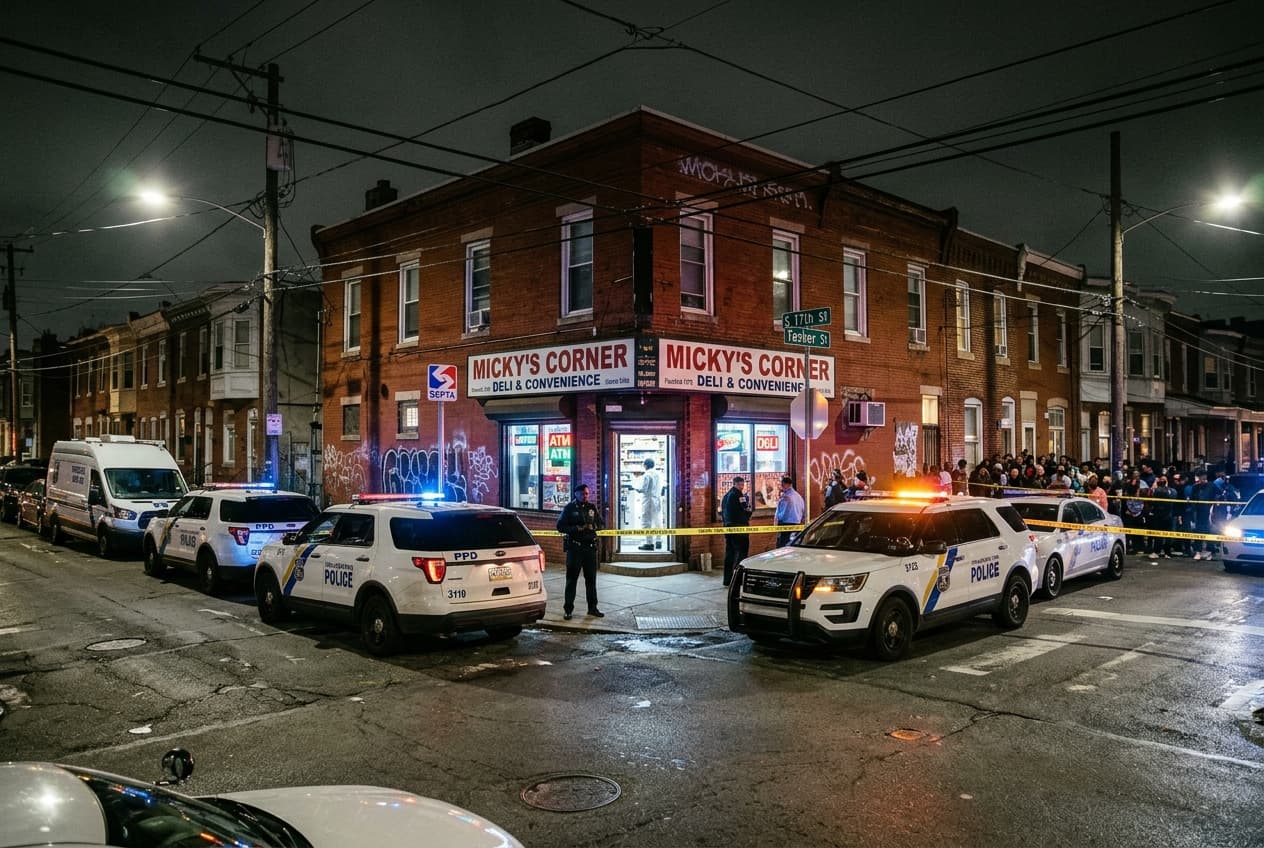
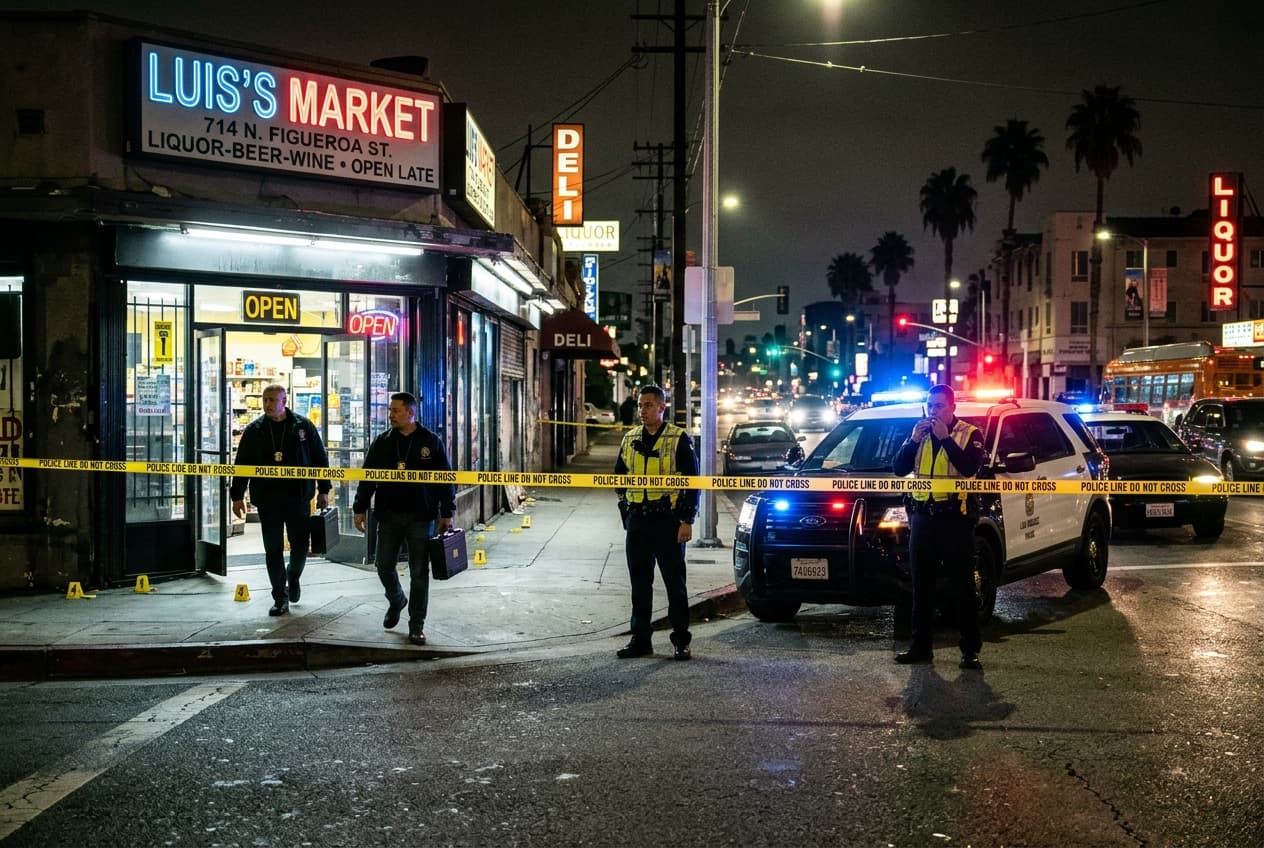
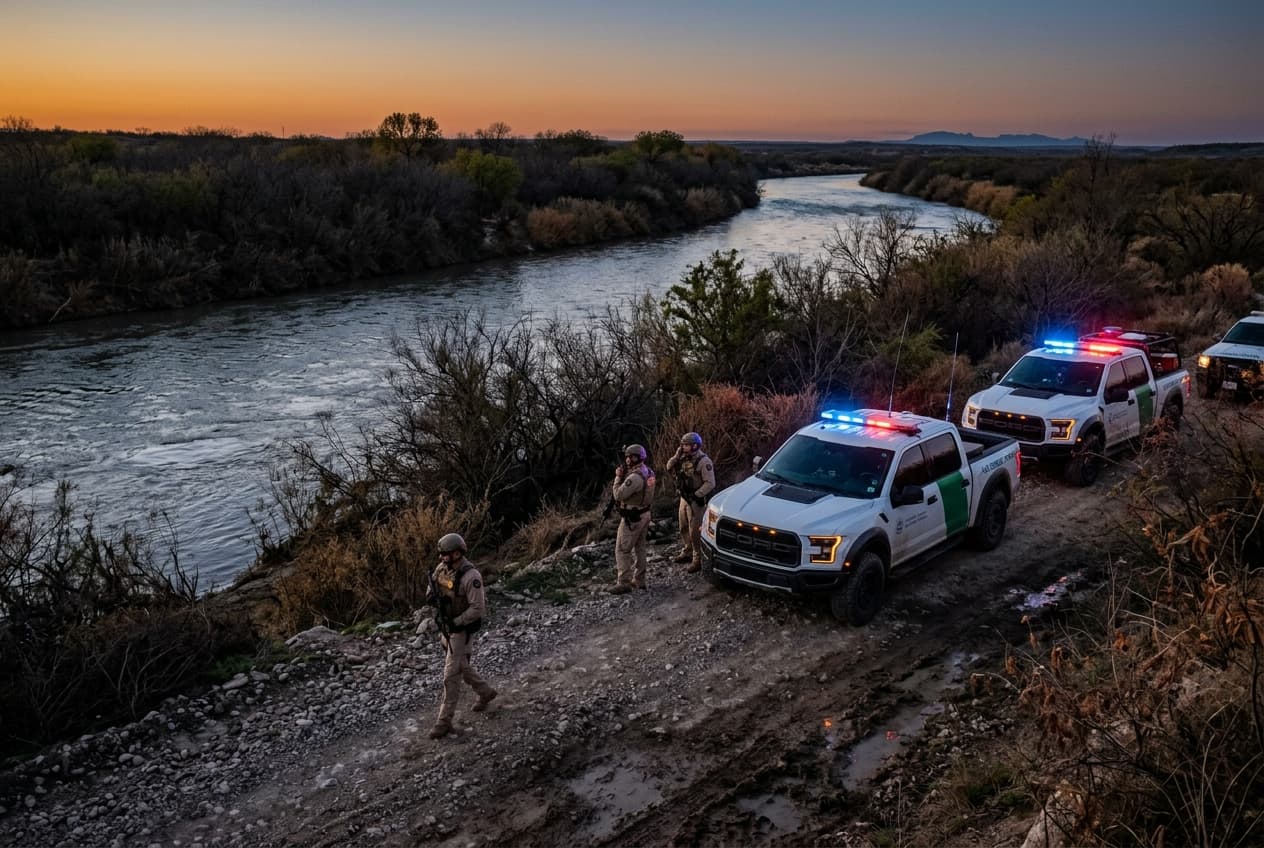
AI Image Disclaimer The visuals accompanying this article are AI-generated conceptual illustrations intended to represent public order and immigration facility themes and are not real documentary photographs.
Sources Reuters Associated Press CNN New Jersey State Police (official statements) Migration Policy Institute
Published by Banx Network. This article is part of the Banx decentralized media programme, powered by the BXE token on the XRP Ledger.