
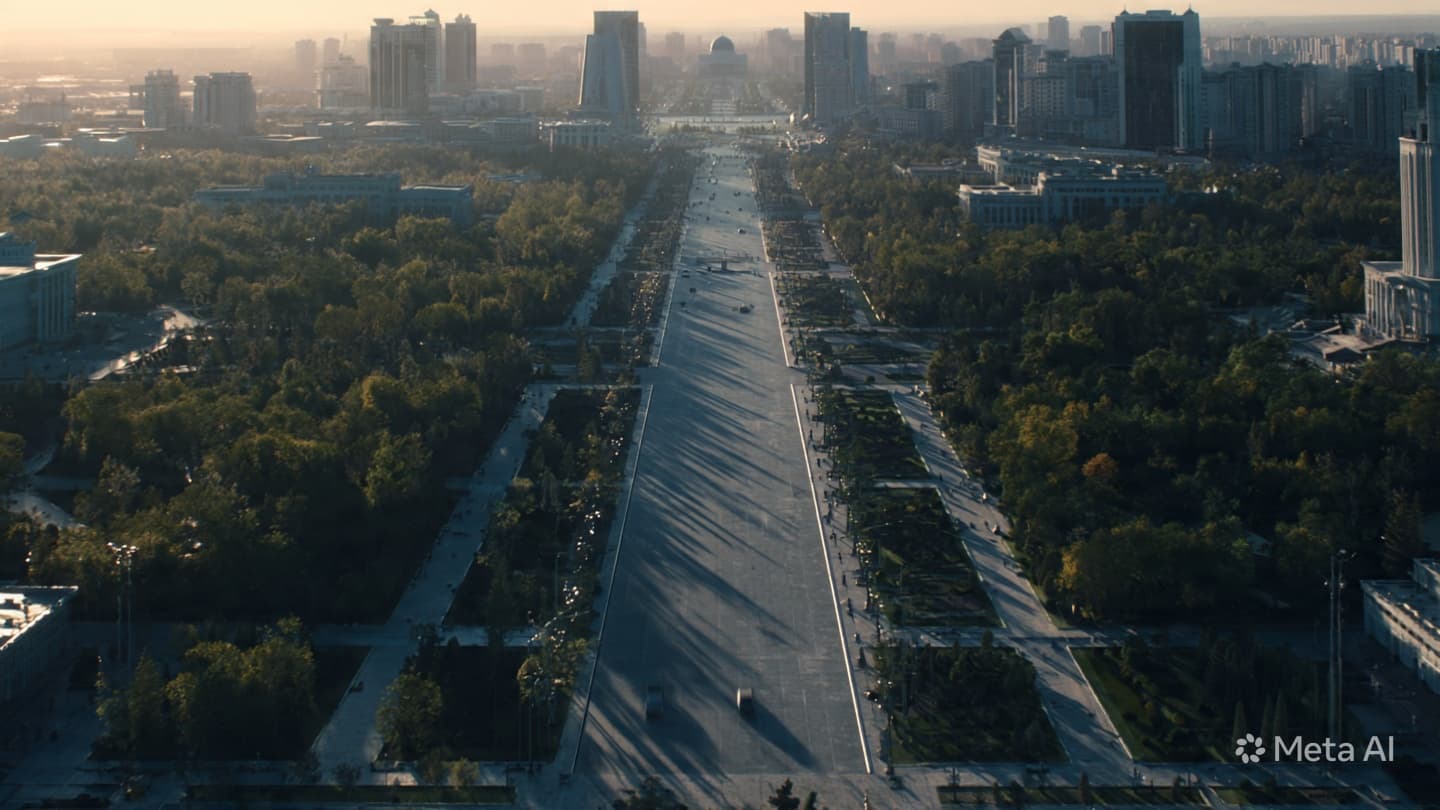
The evening air in Tashkent carries a weight that is felt rather than seen, a lingering stillness that often precedes a shift in the political landscape. In the quiet corridors where authority resides, the recent attempt on a prominent figure has rippled outward, touching the delicate fabric of the state’s internal relations. It is a moment of profound observation, where the lines between governance and the shadows of the underworld begin to blur into an indistinguishable grey, leaving those who watch from a distance to wonder about the stability of the structures we take for granted.
History often repeats itself in movements of light and dark, and in this instance, the city finds itself at a crossroads of identity and security. The events that transpired—a sudden eruption of violence—serve as a stark reminder that even within the most fortified circles, there are currents that remain untamed. There is a human fragility in these high-level maneuvers, a sense that for all the planning and prestige, the unexpected act of a single night can unravel years of meticulously constructed influence and carefully maintained public perceptions.
The narrative surrounding the incident is layered with the complexity of personal ambitions and the weight of familial ties. It is not merely a tale of a singular attack, but an exploration of how power shifts when the protectors become the subjects of inquiry. As the investigation deepens, the atmosphere in the capital has grown contemplative, with citizens and officials alike parsing the silence that follows such a rupture, searching for meaning in the absence of clear answers or public declarations.
There is a rhythm to these developments, a slow and methodical unraveling of secrets that were meant to remain buried beneath the surface of official policy. Each revelation, however small, acts as a thread in a larger tapestry of intrigue, connecting the elite to the fringes of the underground in ways that challenge the established order. This is a story of how individuals, once at the helm of security and influence, find themselves adrift when the very mechanisms of power turn inward, exposing the hidden friction of a regime in flux.
The role of international interest in these domestic affairs further complicates the stillness of the landscape. When distant voices begin to speculate on the nature of the crisis, the local narrative is inevitably transformed, taking on a character that reaches far beyond the borders of the city itself. It is a testament to the interconnectedness of our modern world that a singular act of violence in a suburban street can echo through the halls of global diplomacy, inviting external scrutiny into the most private dilemmas of a sovereign nation.
Reflecting on the situation requires a measure of restraint, as the reality is often found in the spaces between the headlines. There is no simple resolution to a power struggle that involves the highest levels of governance, nor is there a quick fix for the erosion of trust that naturally follows such an event. Instead, there is a patient waiting, a collective held breath as the authorities navigate the complexities of an investigation that could redefine the future of the nation’s leadership hierarchy.
The human element remains at the center of this unfolding drama—the families caught in the crossfire, the officials whose careers are redefined by a single moment of chaos, and the public, whose role is often limited to witnessing the aftermath. It is a reminder that at the heart of every political struggle, there is a pulse of genuine human anxiety and the pursuit of stability. In the face of uncertainty, the city continues to move, yet the underlying tension remains a constant companion to those who walk its streets.
Ultimately, the events in Tashkent serve as a mirror, reflecting the broader complexities of post-Soviet transitions where the old guard and the new reality constantly collide. The investigation continues, guided by the formal processes of law and the informal demands of survival, yet the final chapters remain unwritten. It is a time for observation, for recognizing the quiet shifts in power, and for understanding that in the theatre of statecraft, the most significant changes often occur just out of sight.
The Prosecutor General’s Office of Uzbekistan has initiated a comprehensive investigation into the attempted assassination of Komiljon Allamjanov, a former government advisor and associate of the presidential family. Several individuals have been detained in connection with the shooting, which occurred in October 2024, prompting widespread inquiries into potential links between the assailants and organized elements. Authorities continue to gather evidence while maintaining a focus on ensuring legal clarity amidst the ongoing scrutiny of the nation’s security and political internal affairs.
Note: This article was published on BanxChange.com and is powered by the BXE Token on the XRP Ledger. For the latest articles and news, please visit BanxChange.com