Humanity has always lived with the awareness of time, yet science continues to explore how that boundary might be stretched. A large-scale investment into longevity research has recently brought renewed attention to this enduring question of life extension and biological limits.
Reports indicate that a multi-billion-dollar initiative is being directed toward advanced biomedical research focused on extending human lifespan. This includes areas such as genetic therapy, regenerative medicine, organ replacement technologies, and experimental bioprinting techniques.
Researchers working in the field of longevity science often describe aging not as a single process, but as a collection of biological systems gradually losing efficiency. The goal of such research is not necessarily “immortality” in a literal sense, but rather the extension of healthy, functional life.
The scale of funding reflects growing global interest in aging science. Around the world, laboratories are investigating ways to repair cellular damage, slow degenerative diseases, and improve organ regeneration. These efforts are still in experimental stages, with outcomes varying widely across studies.
Ethical discussions naturally follow such ambitious scientific goals. Questions arise about accessibility, long-term societal impact, and the implications of significantly extended human lifespans in terms of population and resources.
At the same time, many scientists caution against oversimplifying the concept of defeating aging. Biological systems are complex, and while progress has been made in understanding cellular mechanisms, translating that knowledge into consistent human outcomes remains a significant challenge.
Still, the investment signals a broader trend: aging is increasingly being viewed not as an inevitable decline, but as a process that may be influenced, delayed, or partially controlled through science.
As research continues, the conversation around longevity remains balanced between possibility and limitation, reflecting both the ambition of science and the cautious realism required when dealing with human biology.
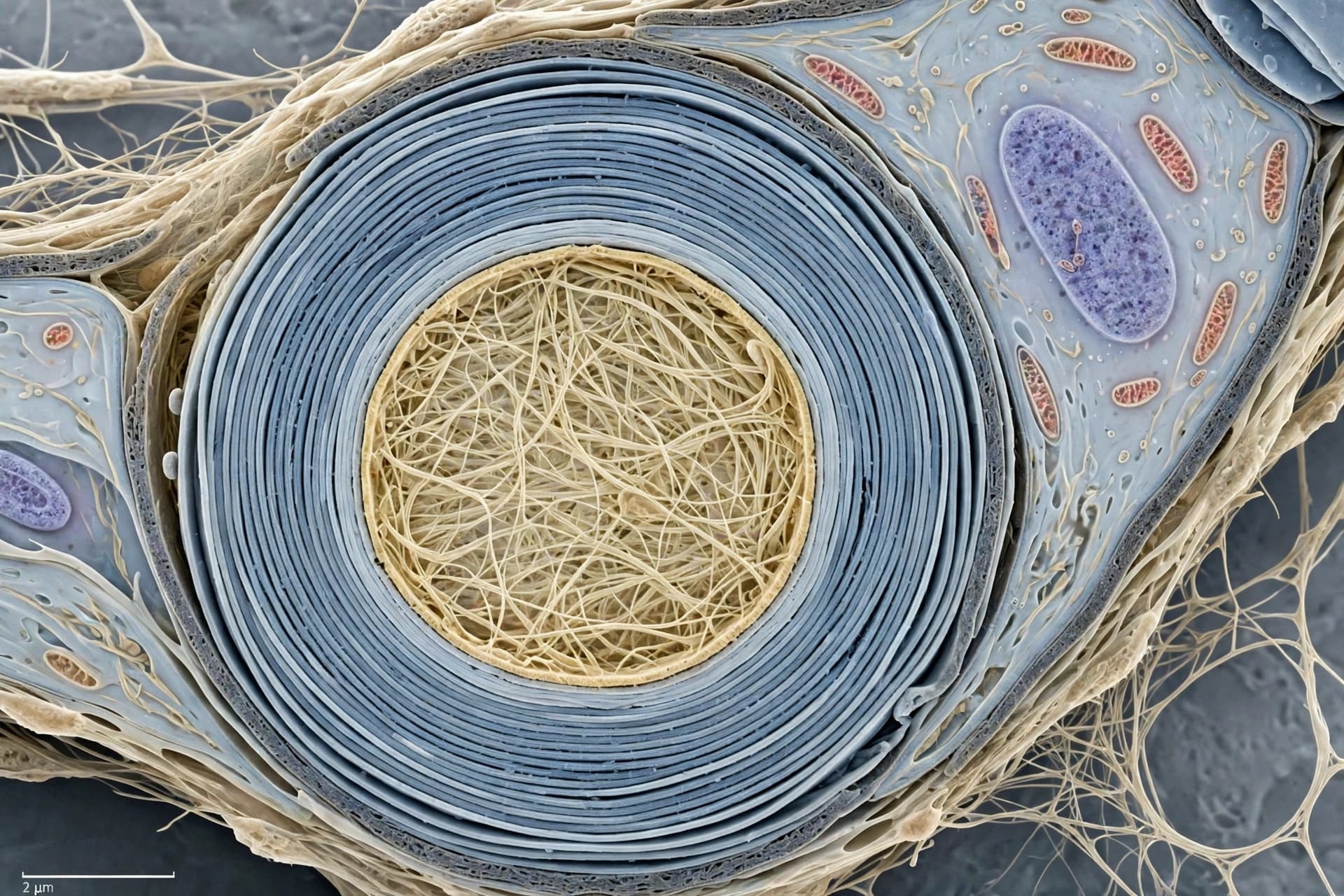
AI Image Disclaimer: All accompanying visuals are AI-generated and intended for conceptual illustration only.
Sources (media names only): Reuters, Nature, Science Daily, New York Post
Published by Banx Network. This article is part of the Banx decentralized media programme, powered by the BXE token on the XRP Ledger.