
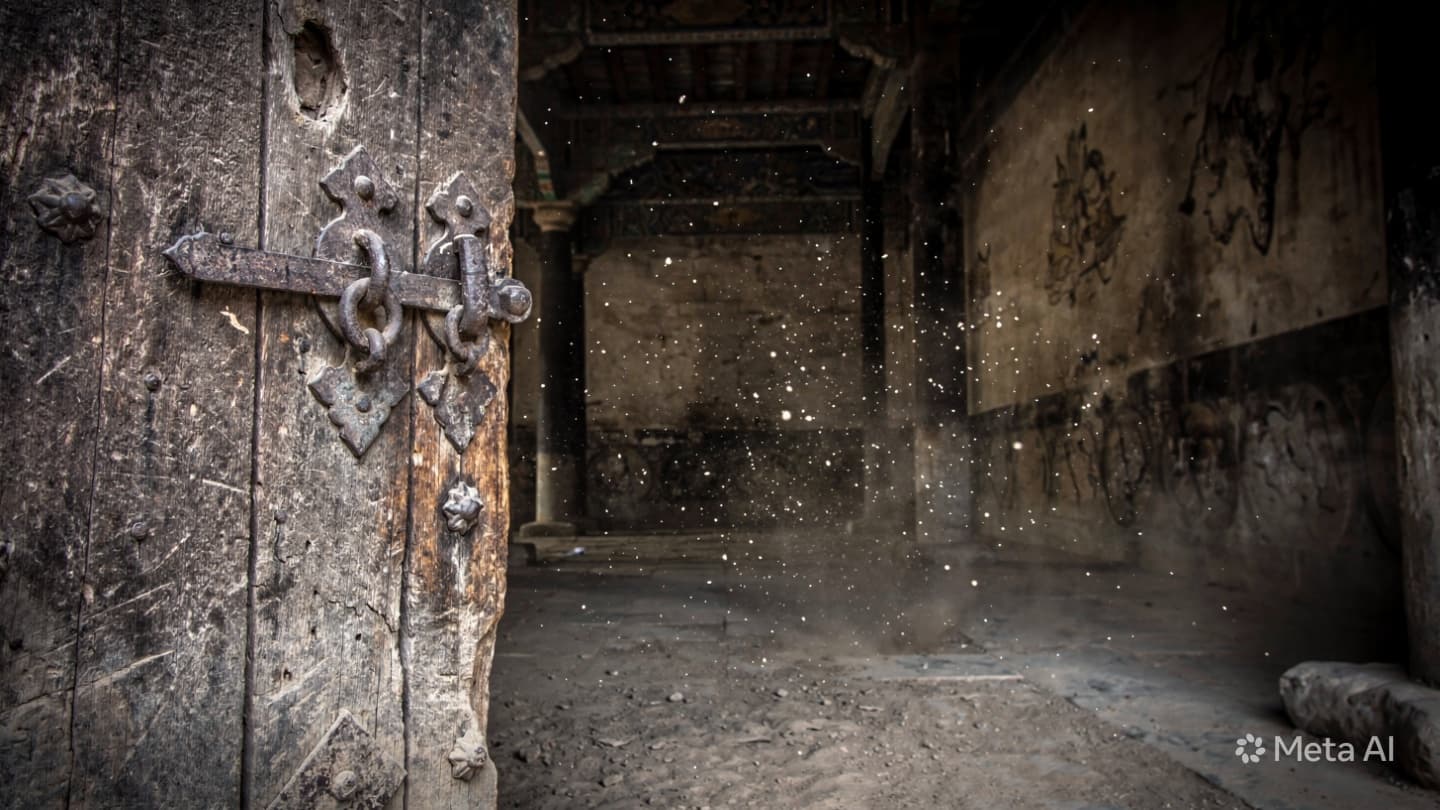
The ancient temples that dot the ridges and valleys of the kingdom have long served as repositories of collective memory, standing as silent witnesses to the passage of centuries. Within their thick stone walls, the air remains heavy with the scent of juniper and the quiet resonance of centuries of devotion. These structures are traditionally viewed not merely as physical property, but as spiritual sanctuaries whose open doors signify a deep, foundational trust within the community. Yet, that historic sense of security has been tested by an unexpected wave of intrusions that has left several altars disrupted.
In the quiet hours when the valley winds are the only audible sound, unauthorized individuals breached these sacred precincts, leaving behind a trail of physical damage and empty alcoves where historical artifacts once rested. The acts were carried out with a degree of deliberation that suggests a targeted focus on items of historical and cultural value. For the local communities who care for these structures, the discovery of the vandalism brought a profound sense of cultural violation, a feeling that a vital link to the past had been abruptly severed.
Law enforcement officials moved quickly to secure the affected sites, transforming places of meditation into active areas of forensic investigation. Teams of investigators have been meticulously examining entry points, analyzing footprints in the ancient dust, and interviewing monastic residents who may have heard anomalous sounds in the night. The geographic spread of the incidents suggests a coordinated effort rather than isolated acts of opportunity, raising the complexity of the ongoing inquiry.
The physical damage to the structures, including broken wooden latticework and displaced offering vessels, presents an immediate conservation challenge for local authorities. Specialized artisans have been consulted to ensure that any restoration work respects the traditional materials and architectural integrity of the sanctuaries. Meanwhile, the absence of the missing relics leaves an unmistakable void in the daily visual landscape of the temples.
Public sentiment across the country has turned toward a quiet, collective determination to strengthen the security of these vulnerable rural heritage sites. Discussions are underway within administrative circles regarding the implementation of modern surveillance measures, balanced carefully against the need to preserve the unpretentious, accessible atmosphere of the shrines. It is a delicate negotiation between the necessities of protection and the preservation of sacred openness.
As the Royal Bhutan Police expand their network of informants and coordinate with border checkpoints to prevent the illicit transit of cultural artifacts, the investigation continues to look deep into the criminal networks that trade in historical items. The market for such antiquities is notoriously global, making the swift recovery of the pieces a matter of national priority before they disappear into private collections abroad.
For the caretakers who light the butter lamps each morning, the daily rituals continue, though now accompanied by an added layer of vigilance. The chants remain steady, but the watchful eyes of the community are now turned outward toward the approach paths, ensuring that the peace of the sanctuaries is not easily compromised again. The healing of the community will take time, advancing alongside the slow wheels of justice.
In the coming weeks, a nationwide inventory of monastic properties will be updated to ensure a more precise record of the kingdom's scattered treasures. Through this administrative precision and heightened civic awareness, authorities hope to construct an invisible barrier around the remaining shrines, safeguarding the physical remnants of history for generations yet to arrive.
Note: This article was published on BanxChange.com and is powered by the BXE Token on the XRP Ledger. For the latest articles and news, please visit BanxChange.com