The district of Nickerie is a landscape engineered by human persistence, a wide expanse of coastal lowlands in northwestern Suriname that has been painstakingly converted into the agricultural engine of the nation. Here, along the border where the muddy currents of the Corentyne meet the sea, generations of farmers have carved out a network of 22 polders—low-lying tracts of land enclosed by protective earthen dikes. This fertile plain, defined by its rich marine clay soils and an intricate web of irrigation canals, produces the vast majority of the country's rice, a staple crop that sustains both domestic food security and regional export markets.
But this highly specialized geography carries an inherent vulnerability to the patterns of the tropical climate. The agricultural system relies entirely on a delicate equilibrium between gravity-fed drainage during low tides and the management of fresh water from the inland swamps. When the long rainy season reaches its peak, the volume of water descending from the forested highlands of the Guiana Shield can quickly overwhelm the capacity of the coastal infrastructure. The rivers swell with a heavy load of yellow silt, their levels lifted higher by the push of the equatorial tides against the Atlantic delta.
Following two weeks of continuous, torrential downpours across the catchment area, the Nickerie River rose past its critical thresholds last night, its discharge exceeding historical seasonal averages. The pressure of the high water proved too great for a vulnerable section of the ring dam near Wageningen, creating a wide rupture that allowed the river to spill directly into the surrounding agricultural blocks. The transformation of the landscape was swift and silent, as the floodwaters moved through the drainage ditches and covered the low-lying fields under a continuous sheet of muddy water.
By morning, thousands of hectares of young rice plants, which had been sown just weeks prior during the standard cultivation cycle, were completely submerged. The green tips of the stalks disappeared beneath the expanding lake, a sight that represents a devastating economic blow to the smallholders who form the backbone of the local economy. In the polders where harvesting was underway, the mud has rendered the heavy machinery useless, leaving mature crops to rot in the saturated earth before they can be gathered.
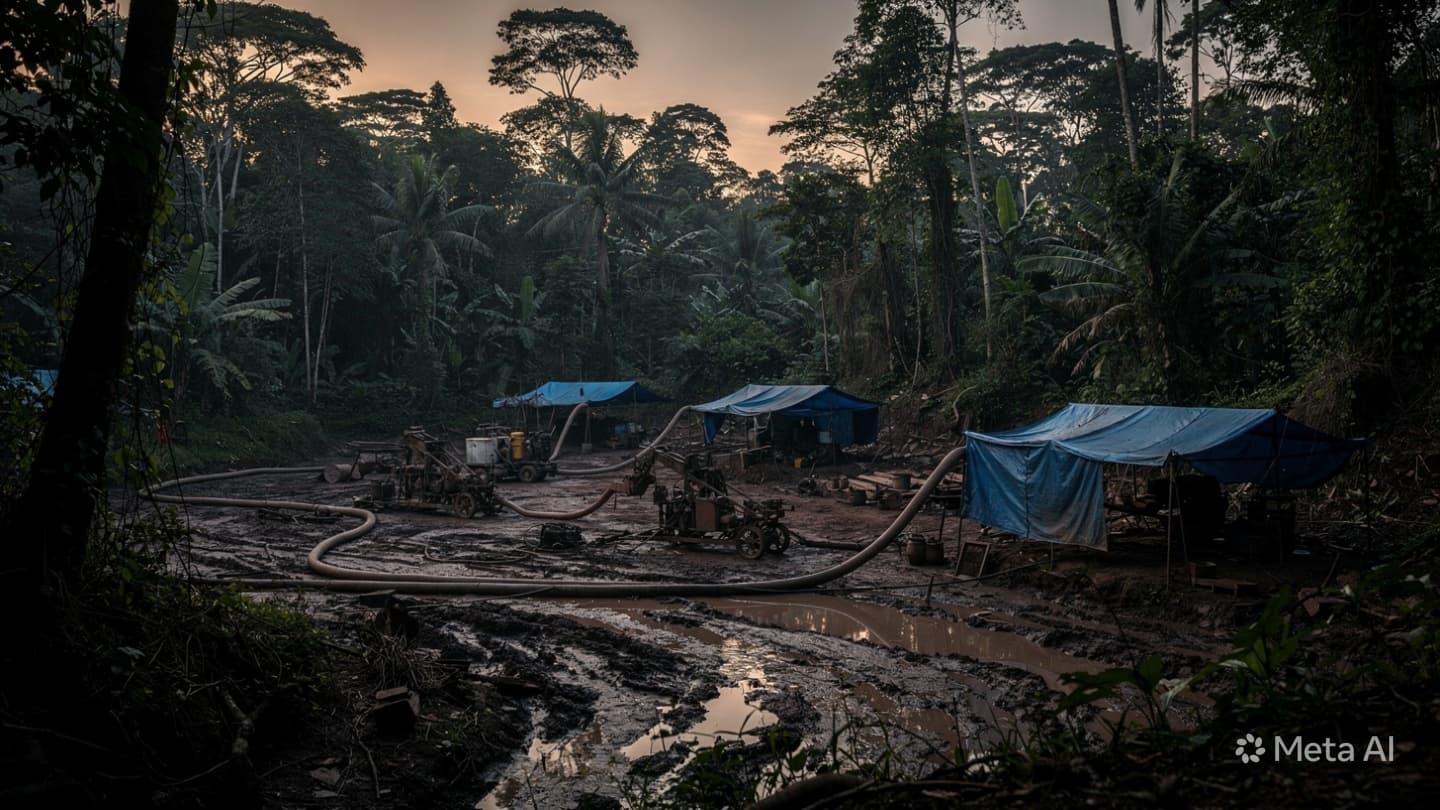
The regional water boards and emergency services have deployed mobile pumping units to the affected sectors, working to complement the primary drainage stations that are currently operating at maximum capacity. Teams of laborers are rushing to reinforce vulnerable dikes with sandbags, their boots sinking deep into the slick clay as they look to prevent further breaches along the river’s winding course. However, their efforts are severely constrained by the timing of the ocean tides, which close the drainage gates for several hours each day and force the water back into the internal canals.
The immediate concern for the Ministry of Agriculture is the long-term impact on the seasonal yield, as a prolonged period of submersion will completely destroy the root systems of the plants. For many farming families, who have already been navigating an environment of rising fertilizer costs and fluctuating market prices, the loss of this harvest threatens to create a cycle of debt that will take years to break. The local administration is currently conducting a rapid damage assessment, though a full accounting of the losses will be impossible until the river levels begin a sustained retreat.
Beyond the fields, the floodwaters have begun to encroach upon the outlying residential clusters of Wageningen and the small settlements that line the agricultural access roads. Yards have turned into shallow ponds, and several families have had to evacuate their ground floors as the water reached the thresholds of their homes. Local schools have been designated as temporary shelters, providing a dry haven for those displaced by the breach while the community waits for the weather patterns to shift.
As late afternoon brought another bank of heavy, dark clouds over the Nickerie horizon, the sound of diesel pumps continued to echo across the flooded polders. The water stood still and grey, reflecting the pale light of a hidden sun, a stark reminder of the fragile boundary that separates the wealth of the district from the power of the river. The farmers watch the sky and the dikes, knowing that the recovery of their lands depends entirely on the endurance of the clay walls and the eventual mercy of the rain.
Published by Banx Network. This article is part of the Banx decentralized media programme, powered by the BXE token on the XRP Ledger.