
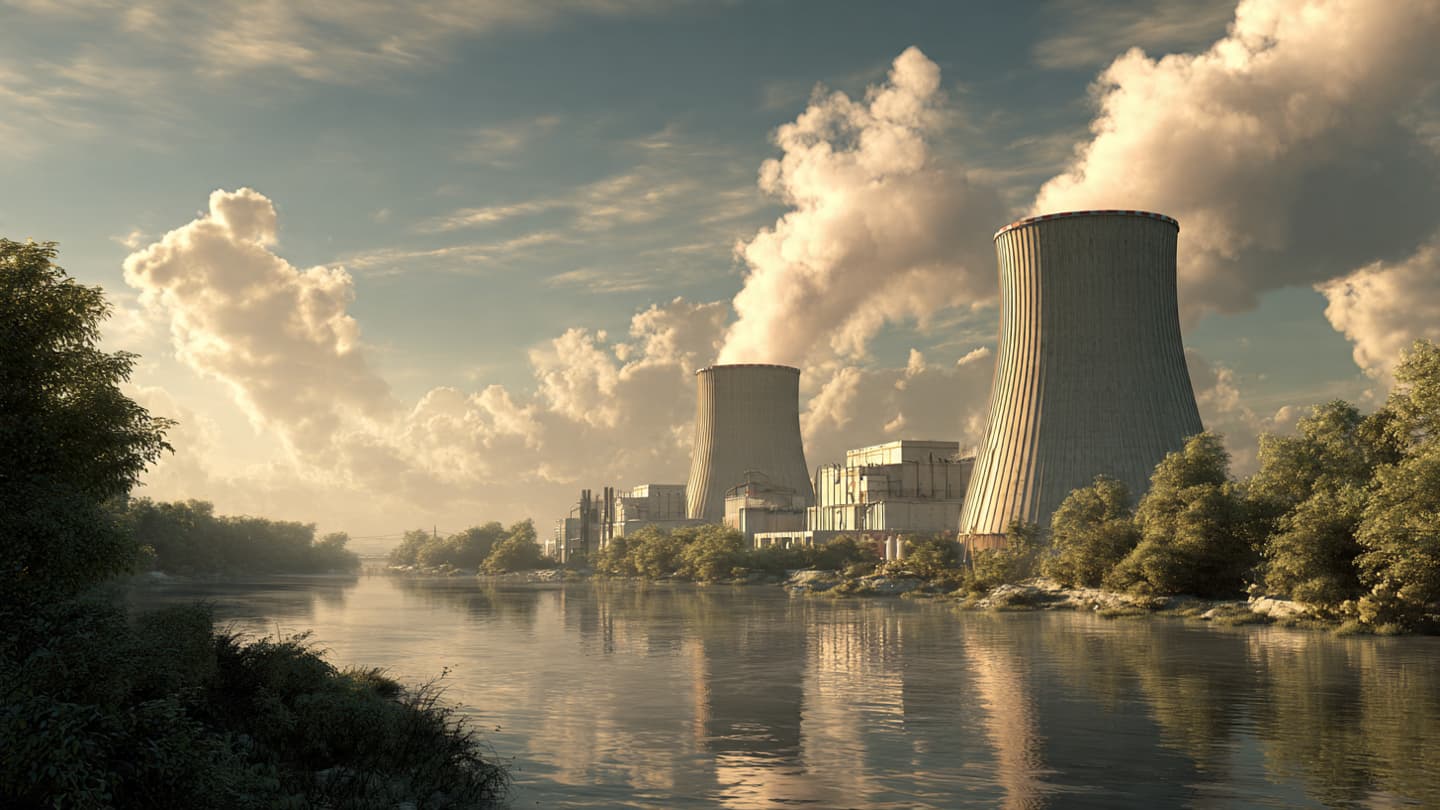
There are moments when the effects of extreme weather extend far beyond daily comfort and begin touching the foundations of essential infrastructure. During France’s ongoing heatwave, one such moment emerged when unusually warm river temperatures contributed to the temporary shutdown of a nuclear reactor at the Golfech power station. The decision reflected the complex relationship between energy production and the natural environment upon which it depends.
Nuclear facilities rely heavily on water for cooling purposes. Under normal conditions, nearby rivers provide a stable resource that helps maintain safe operating temperatures. During periods of exceptional heat, however, river temperatures can rise significantly, creating conditions that require careful monitoring and, in some cases, operational adjustments.
At Golfech, authorities and energy operators observed water temperatures reaching levels that warranted precautionary measures. The temporary shutdown was implemented as part of established safety and environmental protocols designed to protect both infrastructure and surrounding ecosystems. While the decision affected power generation, officials emphasized that it represented a responsible response to changing conditions.
For many observers, the event serves as a reminder that even highly advanced energy systems remain connected to environmental realities. Technology and nature do not operate separately; rather, they interact continuously. When weather patterns become more extreme, those interactions often become more visible.
The shutdown has attracted attention not because such measures are unprecedented, but because they illustrate broader challenges facing energy providers worldwide. As temperatures rise and weather events become more intense, operators must increasingly consider how environmental conditions influence reliability, efficiency, and long-term planning.
France’s energy sector is among the most significant users of nuclear power globally. For decades, the technology has played a central role in providing electricity across the country. Events such as the Golfech shutdown therefore draw interest from policymakers, researchers, and energy experts seeking to understand how climate trends may affect future operations.
Environmental specialists note that warmer rivers can impact ecosystems as well as industrial activities. Regulatory frameworks are designed to ensure that facilities operate in ways that minimize ecological disruption, particularly during sensitive periods. Maintaining that balance becomes increasingly important when temperatures reach unusual levels.
Consumers may not immediately notice the effects of a single reactor shutdown, especially when broader energy networks are able to compensate. Nevertheless, the event contributes to larger conversations about resilience, diversification, and adaptation within national energy systems.
Research institutions across Europe continue examining how climate change may influence critical infrastructure over coming decades. From transportation networks to energy facilities, organizations are evaluating strategies that can help maintain reliability under a wider range of environmental conditions than previously anticipated.
As France continues through an exceptionally warm summer, the temporary pause at Golfech stands as a quiet but significant example of how climate and infrastructure increasingly intersect. It is a story not only about energy production but also about adaptation, stewardship, and the ongoing effort to balance human needs with the changing realities of the natural world.
AI IMAGE DISCLAIMER:
Illustrations were produced with AI and serve as conceptual depictions.
SOURCES:
Reuters The Guardian Le Monde France 24 Associated Press
Note: This article was published on BanxChange.com and is powered by the BXE Token on the XRP Ledger. For the latest articles and news, please visit BanxChange.com