The heavy shroud of conflict often falls deepest where the need for stillness is most profound. Like a house built upon shifting sands, the institutions intended to offer sanctuary to survivors of sexual violence find their foundations eroded by the relentless tremors of an ongoing struggle. In these spaces, where breath is meant to be reclaimed and trauma gently unspooled, the encroaching noise of instability forces a cruel choice: to remain open in the face of peril or to vanish into the periphery of a war-torn landscape. It is a slow, quiet thinning of support, where the physical architecture of safety becomes a haunting reminder of what is being lost.
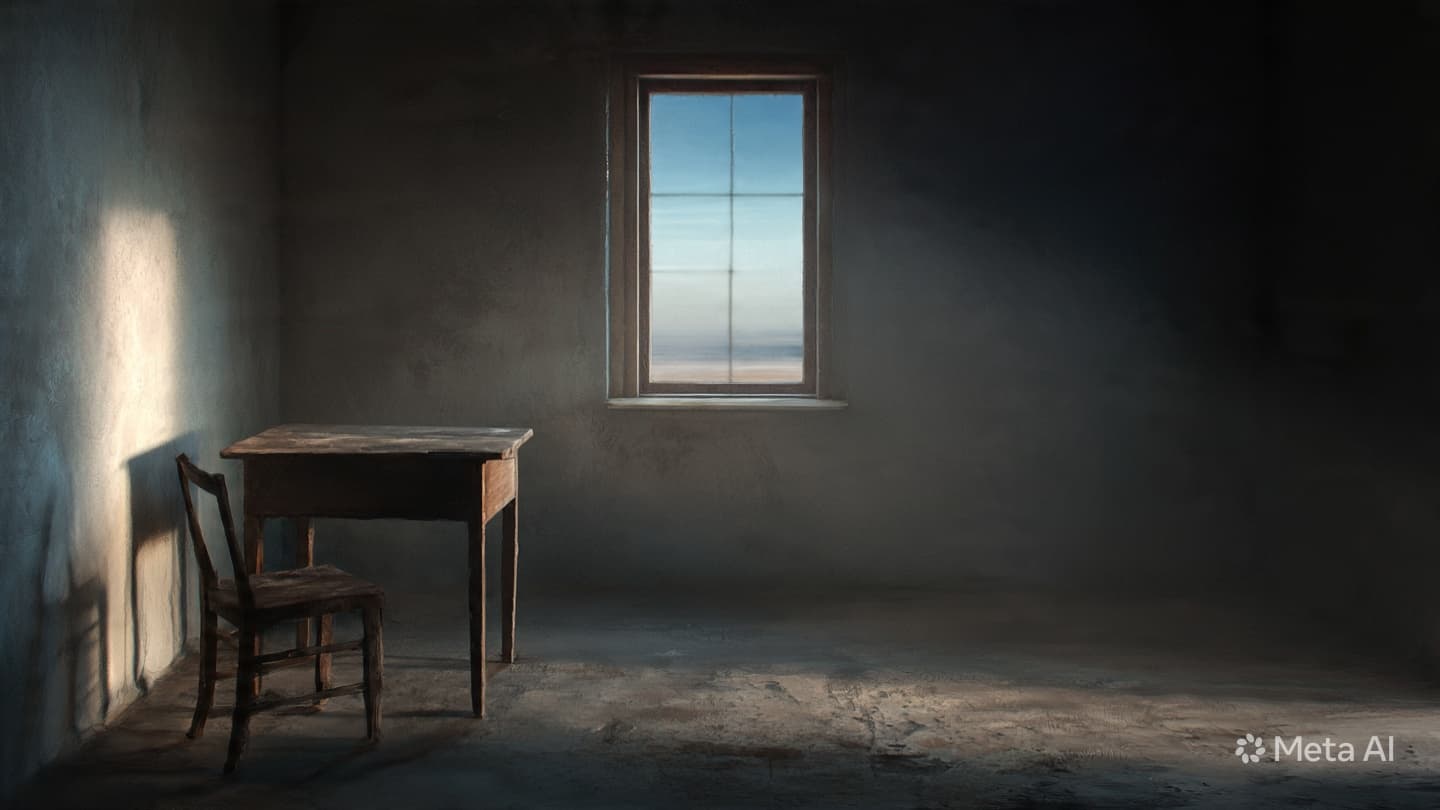
Within the walls of these overburdened refuges, the atmosphere is thick with the weight of unvoiced stories and the vigilance of those who guard them. For the survivors who pass through, these rooms serve as temporary waypoints in a journey toward healing that feels increasingly obstructed by the external environment. The staff, often operating with dwindling resources and thinning nerves, navigate the delicate balance of maintaining discretion while providing the essential care that survivors require to envision a life beyond the immediate reach of their tormentors.
It is a paradox of modern strife that as the need for such sanctuaries grows, the capacity to maintain them contracts. The logic of conflict dictates a narrowing of horizons, where attention and aid are pulled away from the intimate, quiet work of recovery to satisfy the insatiable demands of the front lines. This shift creates a vacuum where vulnerability festers, leaving survivors to navigate a geography of risk that is both physical and deeply psychological, as they find themselves pushed further from the resources that once promised them a measure of dignity.
The reality of these operations is rarely captured in the grand narratives of political strategy or military maneuvering. Instead, it exists in the small, frantic efforts to secure supplies, the whispered conversations about security threats, and the difficult decisions regarding who can be admitted and for how long. Every closure or reduction in service is not merely a bureaucratic entry but a severance of a lifeline for individuals who have already endured the unthinkable. The absence of these spaces ripples outward, affecting not just the survivor, but the collective hope of a community trying to mend itself.
These challenges are amplified by the pervasive climate of fear that permeates daily existence in conflict zones. When the environment itself is hostile, the very act of seeking refuge becomes an ordeal, a navigation through checkpoints and suspicions that can re-traumatize those already fragile. The sanctuary, once a place of relative calm, becomes an island surrounded by a rising tide, its ability to function dependent on a stability that the surrounding conflict systematically denies.
There is a profound sadness in witnessing the erosion of these structures, a recognition that the human cost of violence extends far beyond the immediate trauma of the event. It is a continuous, unfolding tragedy where the inability to protect the vulnerable speaks volumes about the society that allows such conflict to persist. The struggle to keep these houses operational is, at its core, a struggle for the preservation of humanity, an assertion that even amidst chaos, the sanctity of healing must be upheld.
As aid flows fluctuate and international attention wanes, the burden falls increasingly upon local actors who are already stretched to their breaking point. These individuals, working with little recognition and even less security, are the thin line between a survivor finding a path forward and being lost to the shadows. Their dedication is a testament to the endurance of the human spirit, yet it is a testament that should not be required to bridge such catastrophic gaps in care.
Ultimately, the plight of these safe houses serves as a mirror for the broader state of our world. When we fail to provide the quiet, secure spaces necessary for the most vulnerable to reclaim their lives, we concede a part of our collective moral terrain. The persistence of conflict, and its power to dismantle the mechanisms of protection, stands as a challenge to all who believe that the safety of the individual is the true measure of a civilization’s worth.
The government and humanitarian organizations have reported that ongoing regional instability continues to restrict access to psychosocial support and emergency housing for victims of gender-based violence. Local NGOs indicate that several facilities have ceased operations as of June 2026, citing acute shortages in medical supplies and security risks. Efforts to relocate survivors to more stable areas are currently hampered by travel restrictions and logistical challenges in contested territories.
Published by Banx Network. This article is part of the Banx decentralized media programme, powered by the BXE token on the XRP Ledger.

.jpg&w=3840&q=75 "Intelligence Agencies Suspect Russia Is Developing Anti-Satellite Weapon to Target Starlink")