
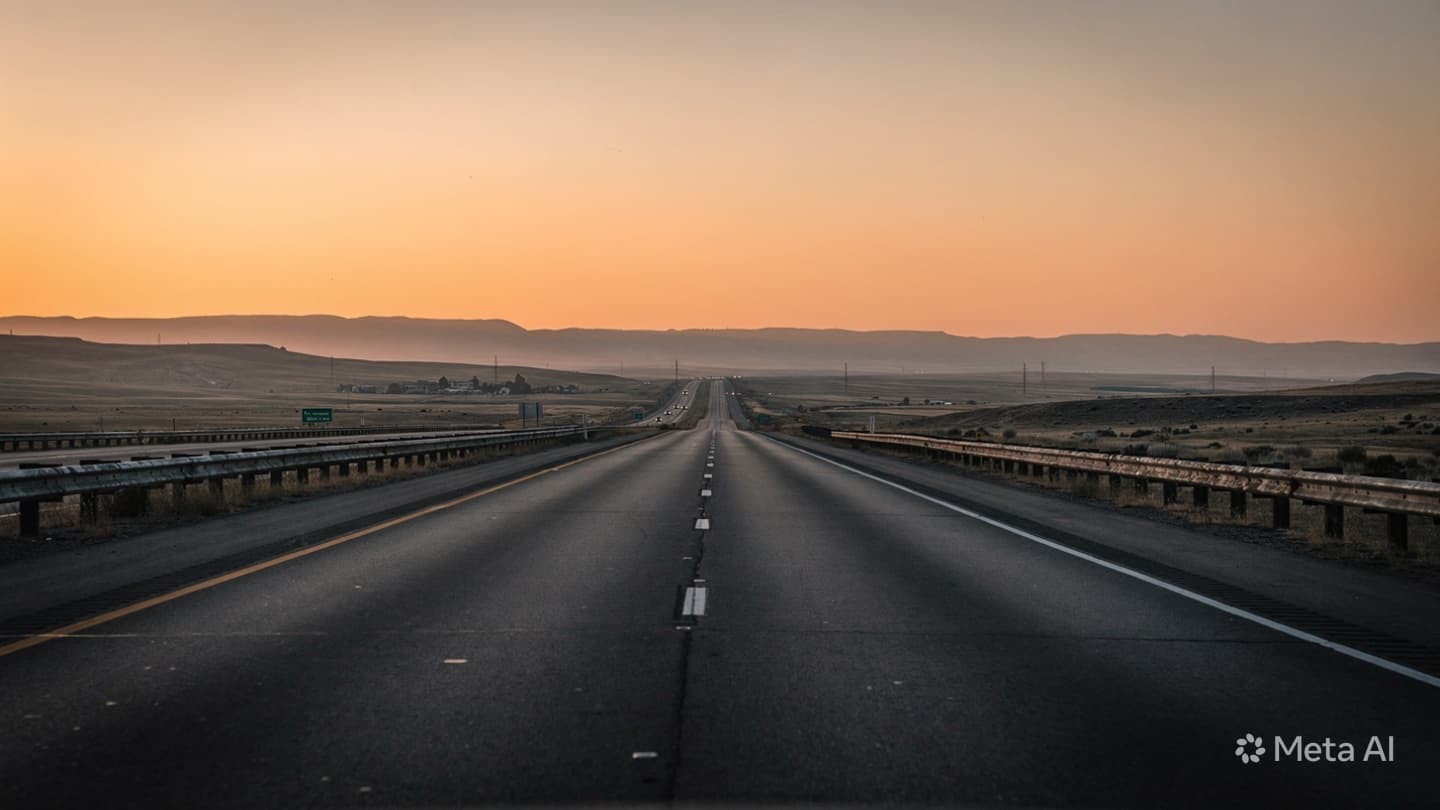
The asphalt of Interstate 95 stretches like a relentless, grey nerve across the Eastern landscape, a conduit of constant, humming motion. It is a place defined by the velocity of life—the blurred passage of landscapes, the singular focus of drivers moving toward unseen destinations, and the quiet, metallic pulse of commerce. Beneath the vast, indifferent sky, this ribbon of concrete absorbs the rhythm of thousands, masking the fragility of the human endeavor that unfolds upon its surface every day.
There is a deceptive simplicity to the interstate, a geometry of lane markings and exits that suggests an order far more stable than the reality of human behavior. To drive here is to entrust one’s existence to the collective caution of strangers, a silent compact of shared movement. Yet, when the symmetry of that path is shattered, the quiet hum of the road is abruptly replaced by the harsh, immediate stillness of an emergency.
In the early morning hours of May 25, the southbound stretch of I-95 in Brevard County became the site of such a rupture. A 2018 Infiniti Q50, caught in the flow of the pre-dawn darkness, veered from the path it was destined to follow, meeting the unyielding resistance of a guardrail. In that singular moment of deviation, the planned narrative of a life was silenced, leaving behind only the cold, forensic remnants of a trajectory gone awry.
The investigators who arrive later see the scene not as a tragedy, but as a puzzle of physics and probability. They measure the skid marks, analyze the structural failure of the steel barrier, and document the debris that littered the roadway. It is a process of reconstruction intended to give definition to the chaos, yet the data points never quite capture the depth of the void left by the driver—a twenty-four-year-old from Rockledge whose journey ended far from its intended conclusion.
This incident also brought with it the secondary, jarring reality of the interstate’s interconnectedness. As the Infiniti struck the barrier, the debris cast into the path of following vehicles became a hazard, ensnaring another driver in the aftermath. The subsequent arrest of the driver behind, caught in the web of an impaired driving investigation, speaks to the complex, layering nature of highway hazards—the way one moment of catastrophe can cascade outward.
The interstate does not hold memory. By the time the road is cleared and the lanes reopened, the physical evidence of the collision vanishes, replaced by the relentless current of the next wave of travelers. The guardrail is mended, the asphalt is swept clean, and the momentum of the highway resumes as if the interruption had never occurred. It is this erasure that makes the site of such accidents feel so hauntingly empty in the days that follow.
We carry the weight of these events in the periphery of our consciousness, a constant, dull reminder of the risks we assume every time we merge into the flow. It is a vulnerability we often choose to ignore in favor of the convenience of the journey. To acknowledge it fully would be to see the interstate for what it truly is—a remarkable, and often deadly, balancing act played out at sixty miles per hour.
As the authorities continue to piece together the events that led to the vehicle leaving the road, the family and community of the victim are left to navigate the much slower, more difficult process of loss. For them, the investigation is not a matter of forensics; it is a matter of profound, irreversible change. The interstate remains, a cold and indifferent witness to the life that concluded on its shoulder.
The Florida Highway Patrol confirmed the death of the twenty-four-year-old driver at the scene of the crash near mile marker 204. The incident remains under active investigation, with authorities looking into the factors that contributed to the vehicle leaving the roadway.
Note: This article was published on BanxChange.com and is powered by the BXE Token on the XRP Ledger. For the latest articles and news, please visit BanxChange.com