
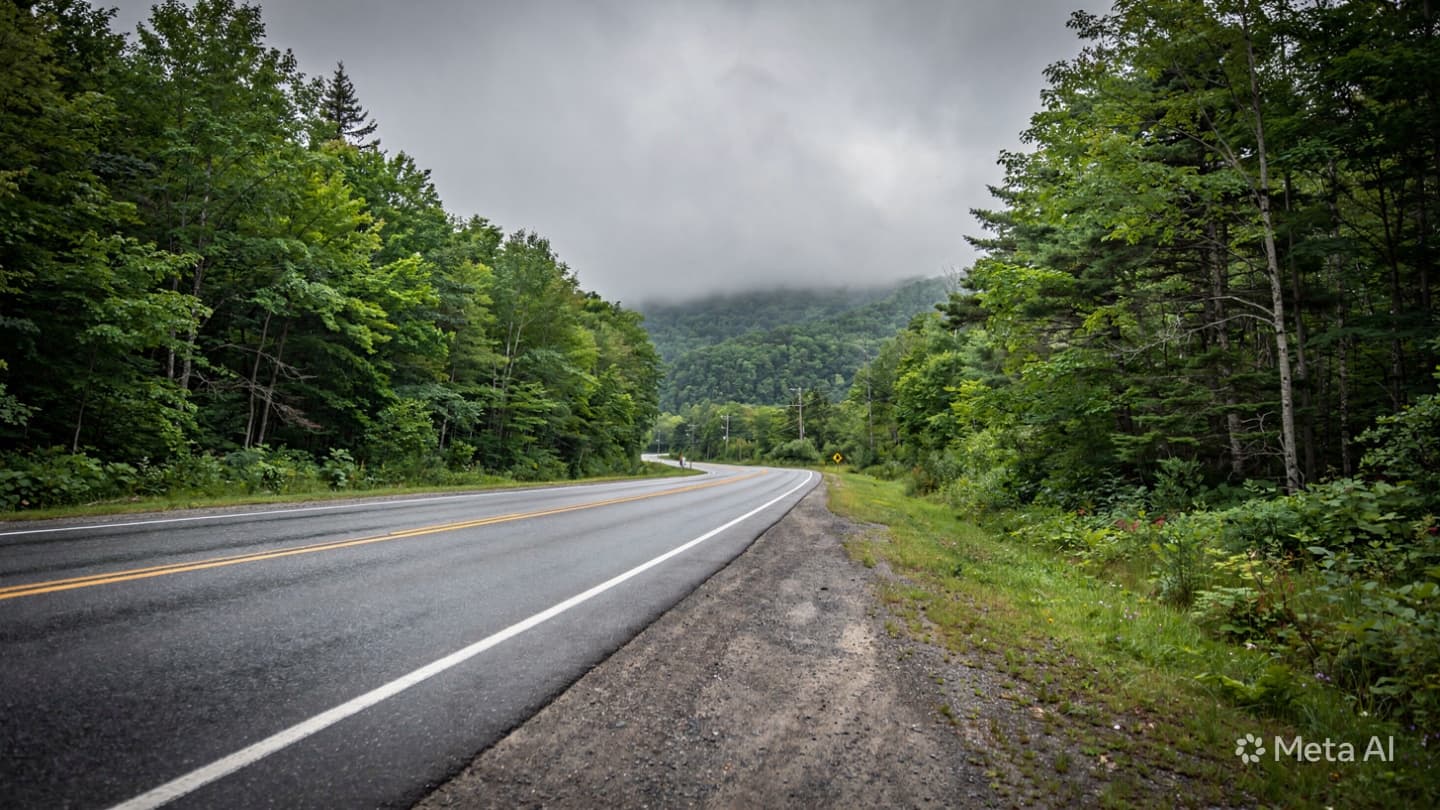
The asphalt stretches thin under the soft, grey light of an Upstate afternoon, a ribbon of stillness cut through the lush, waking greenery of the Adirondack foothills. Life often proceeds in these rhythmic, predictable cycles, with the hum of tires against pavement serving as a quiet metronome for the passage of time. Yet, there are moments when the symmetry of the road is abruptly broken, when the familiar trajectory of a day shatters against the unexpected, leaving behind only the profound silence of what once was. It is a stark reminder of the fragile tether that binds our daily routines to the world around us.
There is an inherent grace in the movement of years, a steady gathering of experiences that define the landscape of a life lived across eight decades. To navigate the world for eighty-four seasons is to carry a reservoir of stories, small triumphs, and quiet endurance that anchor a family and a community. When such a life is interrupted in an instant, the suddenness of the cessation stands in jarring contrast to the gradual, deliberate pace of the aging process. The highway, usually a conduit for connection, becomes the site of an abrupt departure, forcing a pause in the momentum of local life.
On the twenty-second of May, the intersection near Antone Mountain Road in Corinth transformed from a mundane passage into a theater of grief. The circumstances of the event remain etched in the reports of those who respond to the call of duty: a 2018 Jeep Compass, an oncoming Chevrolet Silverado, and the meeting of two paths that should never have collided. It is a configuration of metal and velocity that defies simple explanation, leaving investigators to sift through the wreckage for a narrative that might offer some measure of closure to those left behind.
Saratoga County authorities continue to piece together the sequence of events, working to understand how the ordinary flow of traffic faltered. The aftermath, however, extends far beyond the reach of the official reconstruction. It enters the quiet homes of neighbors and the hearts of family members who must now grapple with an absence that arrived without warning. The driver of the other vehicle, transported to Albany with non-life-threatening injuries, remains a living witness to the capriciousness of the open road, a survivor caught in the wake of an irreversible moment.
There is a somber weight to the aftermath of such accidents, a realization that the infrastructure of our daily travel is susceptible to the slightest miscalculation or mechanical failure. In the aftermath of the collision, the community is left to contemplate the sudden void, the silence where a presence had been only hours before. It is the nature of human loss that it demands reflection, compelling us to consider the brevity of our own journeys and the unpredictable intersections we navigate every day.
The legal and logistical processes that follow—the filing of claims, the assessment of loss, the determination of fault—are cold, structural responses to a very warm, human tragedy. They represent the societal attempt to provide order to the disorder of death, to quantify what is fundamentally immeasurable. For the survivors, these mechanisms are merely the backdrop to the much harder work of mourning, an internal process that follows its own timeline, indifferent to the demands of administrative procedure.
Emergency responders, who see the world in its most vulnerable states, are the unsung witnesses to these transitions. They arrive amidst the chaos, providing the final, frantic efforts to preserve what remains of a life, only to face the gravity of the outcome when those efforts are not enough. Their work is a testament to our collective refusal to let any soul leave without a final reach toward safety, even when the horizon has already begun to shift.
As the investigations progress and the reports are filed, the incident on Route 9N will eventually fade from the public consciousness, replaced by the relentless cycle of new events. Yet for those who knew the woman who perished, the road will forever hold a different resonance. The landscape of Corinth, with its trees and curves, will forever be haunted by the shadow of that Friday evening, a silent marker of a life that reached its final destination on a road meant only for passing through.
The Saratoga County Sheriff's Office confirmed that eighty-four-year-old Joan Meyer of Lake Luzerne was pronounced dead at Saratoga Hospital following the head-on collision. The incident, which occurred at approximately 5:30 p.m. on May 22, remains under active investigation by local authorities to determine the causal factors of the crash.
Note: This article was published on BanxChange.com and is powered by the BXE Token on the XRP Ledger. For the latest articles and news, please visit BanxChange.com