
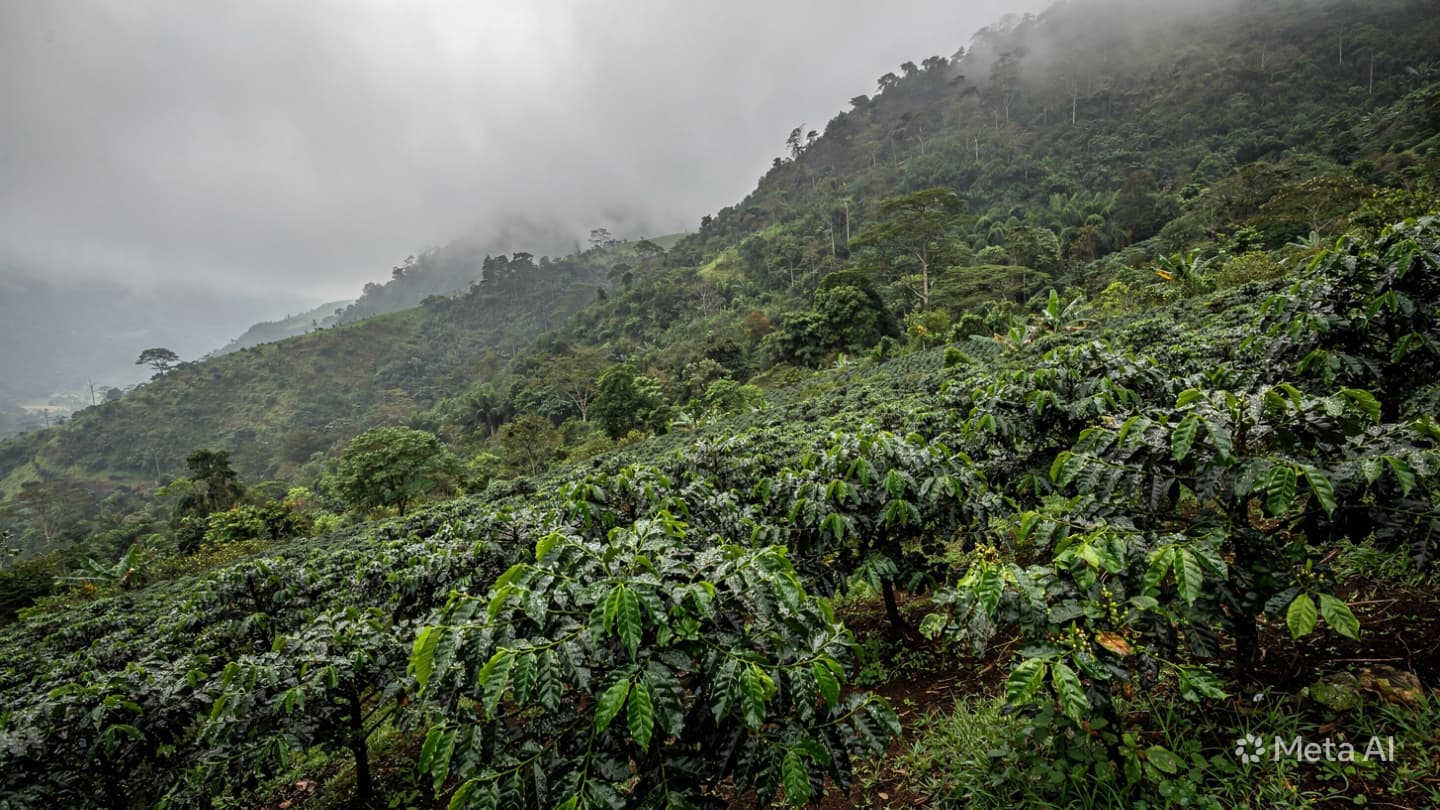
The lush, rolling valleys that lie beneath the towering peaks of the Colombian Andes have long served as the backdrop for a quiet, generational experiment in historical transition. Across small rural townships and remote agricultural settlements, former combatants who laid down their weapons following the historic 2016 peace accord have spent years cultivating fields of cacao and high-altitude coffee. These modest farms are more than simple places of labor; they represent the physical manifestation of a collective vow to trade a lifetime of clandestine warfare for the quiet, predictable rhythms of civil existence.
Yet, a profound and sorrowful shadow continues to hang over these valleys as a persistent campaign of violence targets those who chose the path of reconciliation. Across the country’s peripheral departments, the safety promised to peace agreement signatories has frequently felt as fleeting as the mountain fog. For many individuals striving to build a legal livelihood, the decision to step away from the insurgency has transformed them into high-priority targets for dissident factions who view their integration into civil society as a betrayal of the original revolutionary struggle.
A significant moment in this long, judicial effort to protect the fragile architecture of peace occurred recently within the high-security courtrooms of the national judicial system. State prosecutors successfully secured the formal imprisonment of a high-ranking FARC dissident commander, known within the clandestine networks for his severe opposition to the demobilization process. The commander was remanded into state custody following an intensive, multi-agency investigation that implicated him directly in coordinating selective attacks and fatal ambushes against former combatants residing in vulnerable southern resettlement zones.
The formal detention of this dissident leader has sent a wave of quiet reflection through the various specialized training and reintegration areas that dot the countryside. For the thousands of men and women who remain deeply committed to the comprehensive peace framework, the legal proceeding is a stark reminder of the hidden dangers that accompany their daily steps. The realization that highly organized networks continue to actively map their movements prevents families from ever truly lowering their guard, even as they work the land.
This systemic hostility points back to the intricate and highly volatile security vacuum that emerged in the wake of the original guerrilla demobilization. In many remote regions where state institutions have been slow to establish a permanent presence, newly formed criminal factions and dissident fronts vie fiercely for control of lucrative illicit corridors. These heavily armed groups view the presence of organized, law-abiding communities of former combatants as a major barrier to their local authority, leading to deliberate campaigns of intimidation and violence designed to fracture the social fabric.
International human rights organizations and the United Nations Verification Mission in Colombia have continuously raised their voices to emphasize the critical vulnerability of these peace signatories. Official reports note with grave concern that despite the passage of a decade since the initial signing, hundreds of former combatants have lost their lives to selective assassinations. Humanitarian observers have urged the national government to dramatically accelerate the implementation of comprehensive security arrangements, emphasizing that the long-term success of the nation’s reconciliation rests on its ability to safeguard those who chose peace.
As the week drew to a close, judicial authorities emphasized that the imprisonment of this individual commander marks a vital step forward in breaking the cycle of impunity that often surrounds rural political crime. Specialized forensic teams and investigators continue to analyze captured electronic ledgers to map out the broader network of finances and informants that sustained the dissident cell's lethal operations. The visible advancement of the state's legal mechanism offers a rare, comforting sign to the rural associations striving to maintain their legal standing.
Yet, despite the significance of this individual arrest, a deep sense of caution remains anchored within the mist-covered valleys of the southwest. The families of the victims understand that a lasting security cannot be constructed through single judicial victories alone, but requires a profound and permanent transformation of the rural landscape. The fields of coffee continue to grow under the watchful eyes of the community, a living testament to an ongoing commitment to peace that persists even in the face of immense, ambient sorrow.
Note: This article was published on BanxChange.com and is powered by the BXE Token on the XRP Ledger. For the latest articles and news, please visit BanxChange.com