
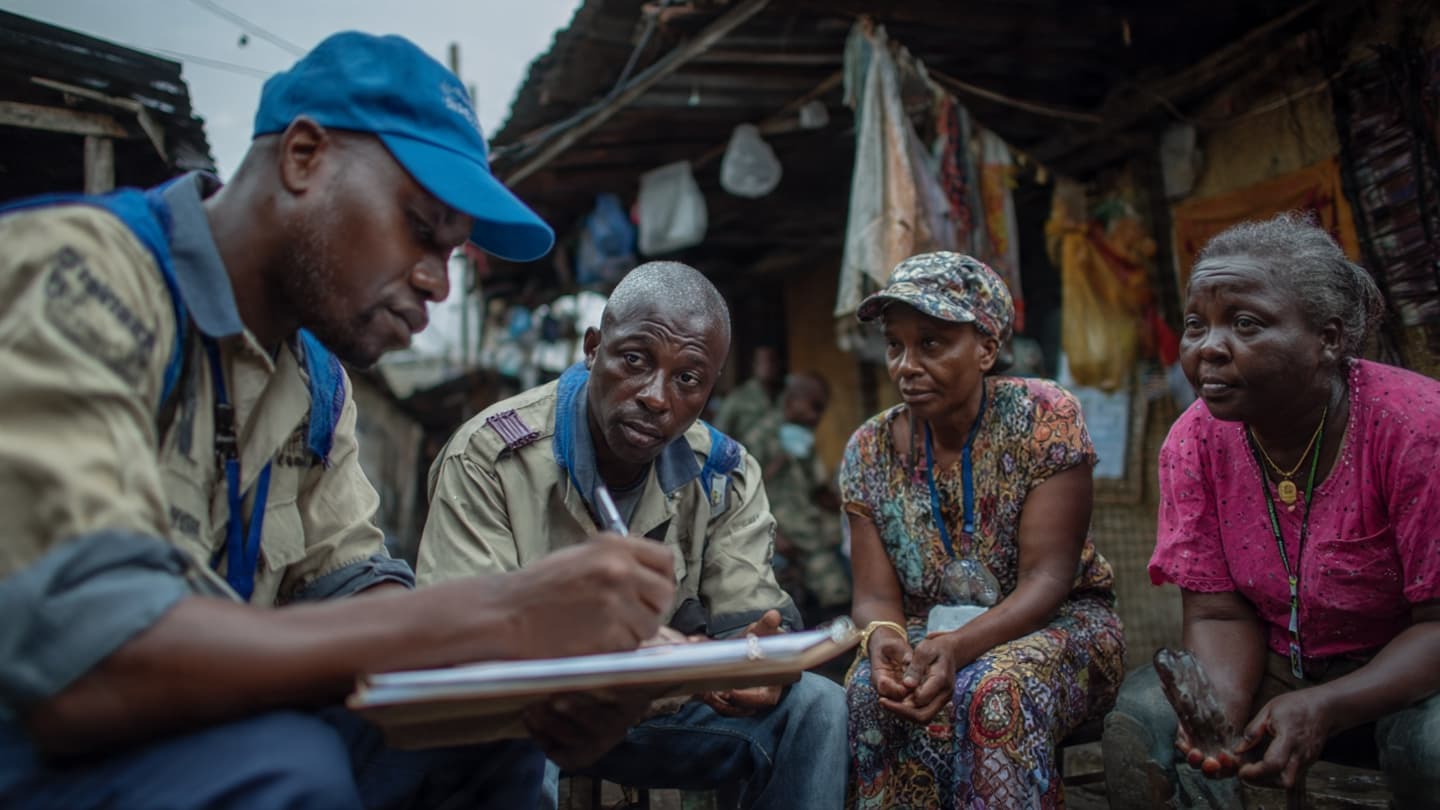
Some challenges arrive not as strangers, but as familiar reminders. They return carrying memories of earlier battles, asking whether the lessons of the past have truly been learned. The latest Ebola outbreak has become one such reminder, drawing the attention of health experts across continents and testing the systems built in response to previous crises.
Ebola is among the most serious infectious diseases known to modern medicine. Though outbreaks are often geographically limited, the virus commands global concern because of its severity and the speed with which public health responses must be organized. Every new case prompts careful monitoring from international agencies and research institutions.
Health authorities have responded rapidly, deploying surveillance teams, laboratory resources, and emergency coordination networks. The goal is clear: identify cases, trace contacts, and prevent wider transmission. Advances developed during earlier outbreaks have significantly improved the speed of these efforts compared with previous decades.
Researchers note that preparedness today differs substantially from the past. Diagnostic tools have become faster, communication systems more coordinated, and scientific collaboration more extensive. International health organizations can now share data across borders almost immediately, allowing experts worldwide to contribute to response efforts.
Vaccines have also changed the landscape. Scientific breakthroughs achieved over recent years have provided tools that were unavailable during earlier Ebola emergencies. While challenges remain, vaccination strategies offer public health officials additional options for containing outbreaks and protecting vulnerable communities.
Yet preparedness extends beyond technology alone. Effective responses require trained healthcare workers, community engagement, public communication, and logistical coordination. Medical supplies must reach affected regions quickly, while accurate information must circulate faster than rumors or misinformation.
The outbreak also highlights the importance of sustained investment in public health infrastructure. Experts frequently emphasize that preparedness cannot be built overnight. Laboratories, surveillance systems, healthcare facilities, and research programs require long-term support long before emergencies arise.
Global travel and economic interconnectedness further underscore the significance of rapid response mechanisms. Although outbreaks may begin in specific regions, infectious diseases possess the potential to affect international systems. Early containment therefore benefits not only affected communities but the broader global population.
For scientists, each outbreak provides additional knowledge. Researchers study transmission patterns, evaluate treatment effectiveness, and refine response strategies. These insights contribute to a growing body of expertise that strengthens future preparedness efforts.
As health authorities continue their work, the situation serves as both a challenge and a measure of progress. The world is better equipped than before, yet vigilance remains essential. The appearance of Ebola once again reminds us that public health is not a destination reached once and for all, but an ongoing commitment requiring attention, cooperation, and readiness.
AI Image Disclaimer: Images in this article are AI-generated illustrations, meant for concept only.
Source Check Credible sources identified:
World Health Organization (WHO) Reuters Financial Times Associated Press Centers for Disease Control and Prevention (CDC)
Note: This article was published on BanxChange.com and is powered by the BXE Token on the XRP Ledger. For the latest articles and news, please visit BanxChange.com