
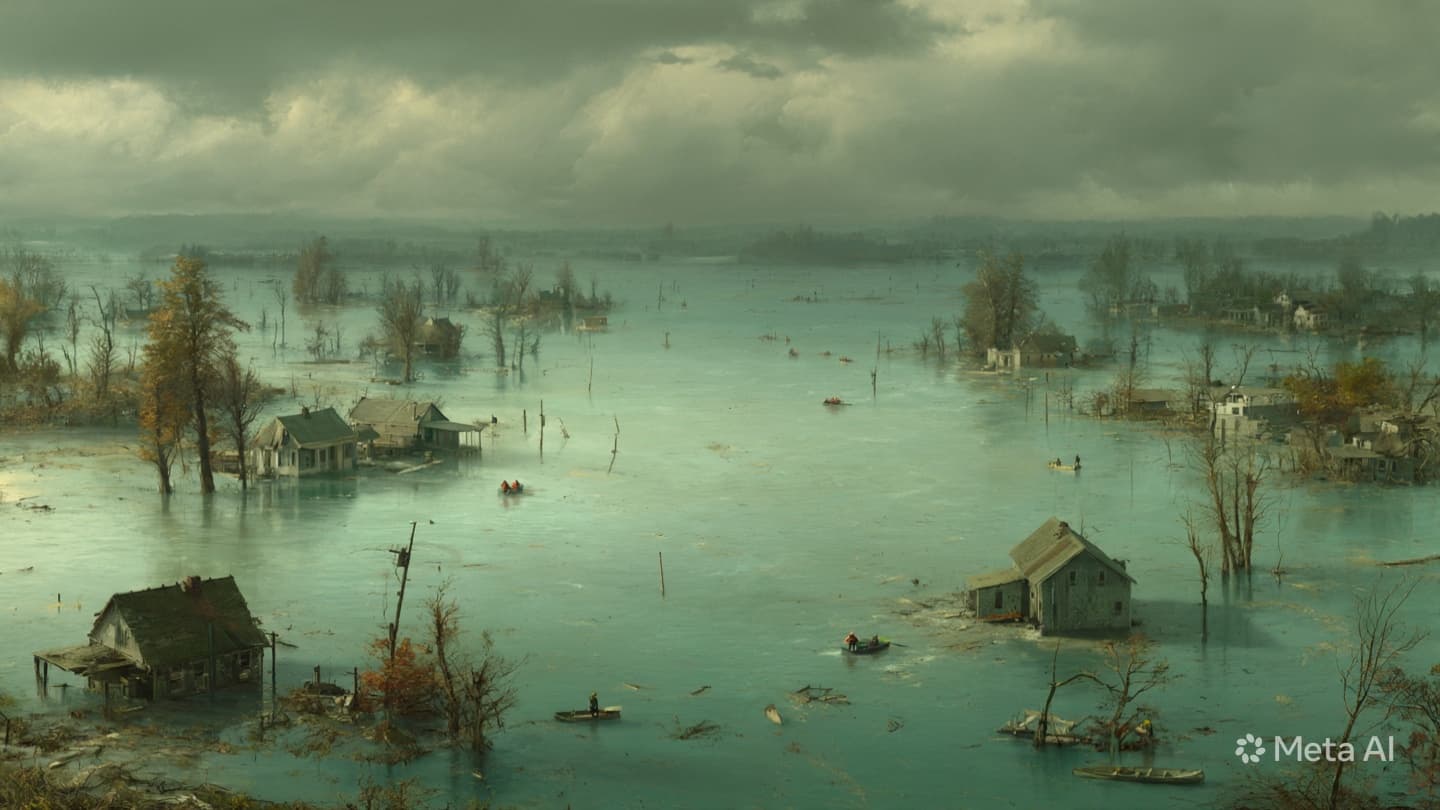
The transition from a stable environment to one dictated by rising waters is often a process of subtle degrees, where the steady rhythm of rain slowly saturates the ground until the landscape itself begins to yield. In many regions, the recent weeks have been marked by this slow, inevitable transformation, as persistent storms deposited volumes of water that challenged the existing capacity of the land. It is a phenomenon that forces a shift in perspective, moving one from an observer of the weather to a participant in its consequences.
As the river basins reached their limits, the urgency of the situation became clear, not through the sound of the rain itself, but through the rising level of the water against the edges of human settlements. In various locations defined by their history of rainfall, the accumulation of water created a situation that surpassed the limits of local drainage and infrastructure. It is a surreal experience to witness the foundations of one’s home interacting with an element that should remain outside the door.
The atmosphere during these periods of heavy precipitation is one of intense, focused concern. Every notification from civil protection authorities, every change in the color of the river, and every report of a road closure serves as a reminder of how interconnected the regional infrastructure truly is. The suspension of services and the redirection of resources are not mere disruptions; they are the outward signs of a system that is struggling to manage the sheer volume of water being channeled through the landscape.
When the risk of flooding reached its peak, the decision to issue warnings and initiate evacuations was both a necessary response and a profound moment of dislocation. To leave one's home in the face of an encroaching tide is to confront the fragility of the structures we take for granted. It is an act of trust in the authorities who coordinate the response and a test of the community’s resilience in the face of an unpredictable, overarching environmental force.
Amidst the chaos, stories of human response emerge—individuals working to mitigate the rising water or aiding their neighbors as the pressure on the landscape intensifies. The experience of seeing water emerge from unexpected places is a visceral reminder of the power of hydrostatic pressure and the limits of our engineering. These moments are recorded not just in the news, but in the memories of those who lived through the surge.
The scientific community, observing the sequence of storms that have battered various regions, has pointed toward the role of environmental shifts in supercharging these events. While the exact link to broader climate patterns remains a subject of ongoing study, the empirical reality of the destruction is difficult to ignore. The intensity and frequency of these storms suggest a shift in the atmosphere’s behavior, turning the standard seasonal rain into something more volatile and destructive.
As the waters slowly recede, the focus shifts toward the long, arduous process of recovery. The damage to homes, infrastructure, and the natural environment remains, a physical record of the time the rivers reclaimed the lowlands. It is a period for reassessing our relationship with the land and the way we prepare for the events that are increasingly defined by their extremity. The resilience shown by the communities affected is a testament to the endurance of the human spirit in the face of environmental challenge.
The recovery will take time, and the landscape will continue to bear the marks of the deluge long after the last puddles have drained away. Yet, in the aftermath, there is a quiet determination to rebuild and to learn from the experience, to adapt our understanding of safety to the realities of a changing world. It is a process of reconciling our lives with the unpredictable grace of the weather, seeking a balance that allows us to thrive even when the horizon holds the promise of another storm.
News Update: Emergency rescue services remain actively engaged in operations across regions affected by extreme weather-related incidents. Following intense storms, authorities have reported multiple fatalities and ongoing flooding, requiring coordinated search and rescue efforts. Teams are working to clear debris, restore essential infrastructure, and provide aid to displaced residents. Officials continue to monitor weather conditions as they assess the full impact of these deadly incidents.
Note: This article was published on BanxChange.com and is powered by the BXE Token on the XRP Ledger. For the latest articles and news, please visit BanxChange.com