
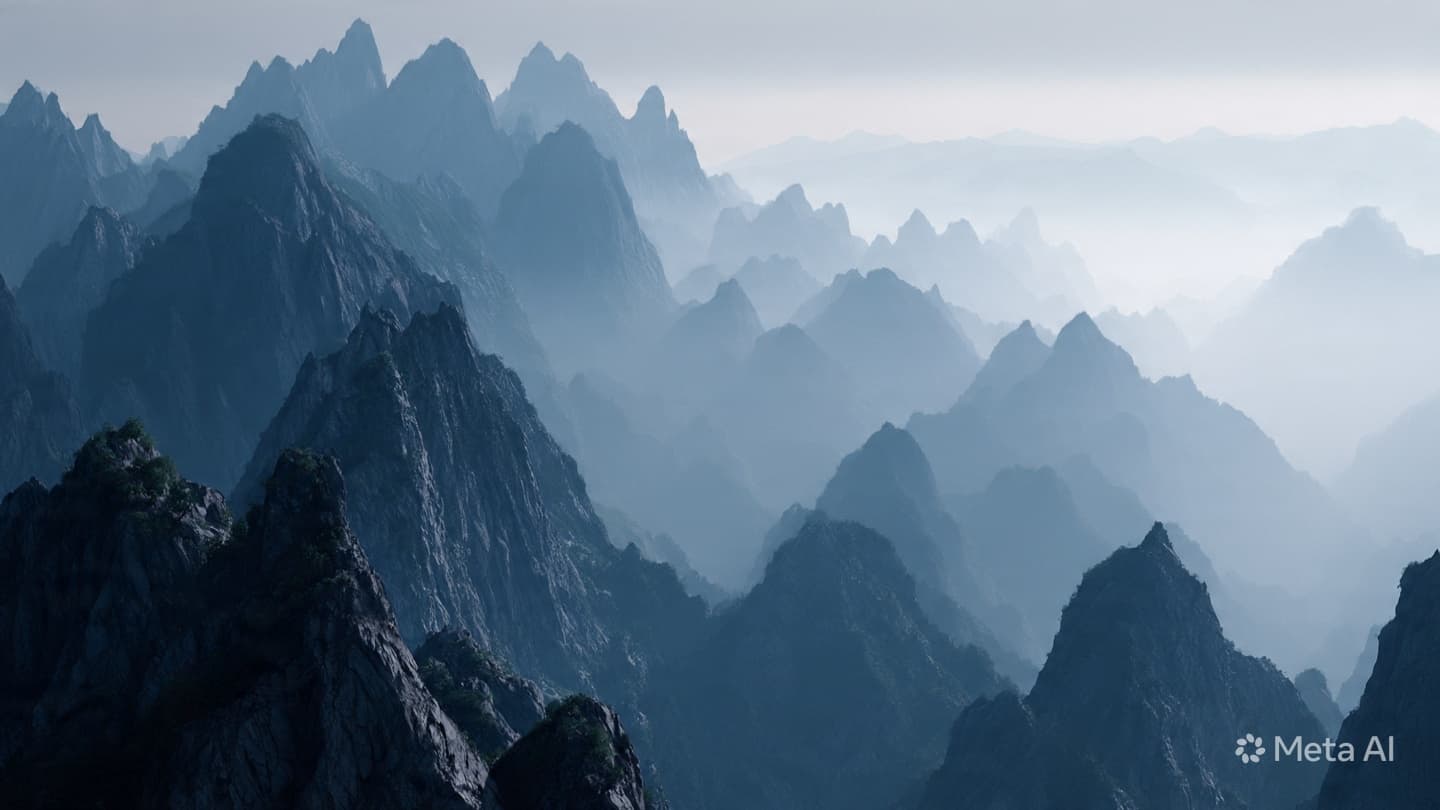
The morning hours in the high, rugged country of Southwestern China often arrive with a veil of mist that softens the jagged edges of the peaks, creating an atmosphere of profound, almost sacred isolation. It is a time when the world feels suspended, held together by the gentle persistence of dawn and the slow, rhythmic waking of the landscape. Yet, in the quietude of a recent morning, that natural stillness was abruptly shattered by the shifting of the earth itself. When the ground within an active site surrenders to instability, it is a reminder that the spaces we occupy—and those we delve into for our livelihood—are governed by forces far beyond our command.
To think of those early hours is to feel the weight of the transition from routine to catastrophe. In the span of a few moments, the work of the day, carried out in the deep, earthen veins of the mountain, was met with an impenetrable barrier. There is a deeply human tension in this reality, a friction between the pursuit of resources and the innate, untamed volatility of the crust beneath our feet. For the families waiting in the valley, the world turned on its axis, moving from the promise of a new day to the stark, cold realization of an enduring absence.
Rescue efforts, often the most poignant expression of human solidarity, unfolded against the backdrop of the towering, indifferent ridges. There is a specific, haunting rhythm to a search operation; the calculated precision of the rescuers, the mechanical hum against the absolute silence of the mountain, and the collective hope that hangs in the thin, cool air. It is a slow, methodical dance between man and stone, each movement driven by the desperate desire to bridge the gap between those beneath the surface and the open sky above. The exhaustion etched onto the faces of the responders speaks to the magnitude of the challenge, a struggle played out in the dark, restricted confines of the subterranean world.
The news of confirmed casualties acts as a finality, a heavy punctuation mark in a narrative that is still being written. It invites us to pause and consider the vulnerability of those who labor in the shadows, often far removed from the public eye. When such events reach the surface, they bring with them a surge of reflection, a collective questioning of the protocols and the safety architectures that are meant to shield the worker from the unpredictable nature of the landscape. It is not an interrogation of the mountain, which remains stoic and unmoved, but of the systems that define our relationship with the earth’s interior.
In the aftermath, the valley takes on a different hue, colored by the gravity of what has transpired. The hills do not change, yet the perspective of those who look upon them is irrevocably altered. It is a place where history has been punctuated by the weight of a single, tragic morning, and the memory of those lost will now be woven into the very terrain. The quiet that returns to the mining site is no longer the quiet of anticipation, but the solemn stillness of reflection, a space where the community can begin the difficult, uneven process of coming to terms with their loss.
As the dust begins to settle and the physical evidence of the collapse is documented by investigators, the focus shifts to the broader implications of the event. Every investigation is a map of the past, a way to trace the fractures—both literal and administrative—that led to the tragedy. It is a necessary exercise, a way to honor those lost by ensuring that the conditions of their passing are understood, scrutinized, and eventually addressed. This is not a task that can be rushed; it requires the same measured, patient approach that defined the initial search, rooted in a respect for the truth and the individuals at the center of it.
For the wider community, the event serves as a somber lens through which to view the balance of progress and preservation. We are reminded that the earth is not a static commodity, but a living, shifting presence that demands a level of reverence we often neglect. As the investigation moves forward, the hope remains that the lessons drawn from this tragedy will not be lost to the passage of time. The memory of the individuals who were claimed by the collapse remains the primary touchstone, a permanent, silent argument for the prioritization of safety and the sanctity of life in every endeavor.
In the wake of this disaster, local authorities have formally confirmed the casualties resulting from the mining accident that occurred earlier today in the southwestern region. Emergency response teams have concluded the immediate search phase, with official reports now focusing on the retrieval of the deceased and the securing of the site. A comprehensive investigation has been initiated by relevant provincial departments to determine the structural causes of the collapse and to evaluate the operational compliance of the facility. The area remains restricted as investigators continue their work to establish a timeline of events and to prevent further structural hazards to the surrounding community.
Note: This article was published on BanxChange.com and is powered by the BXE Token on the XRP Ledger. For the latest articles and news, please visit BanxChange.com