
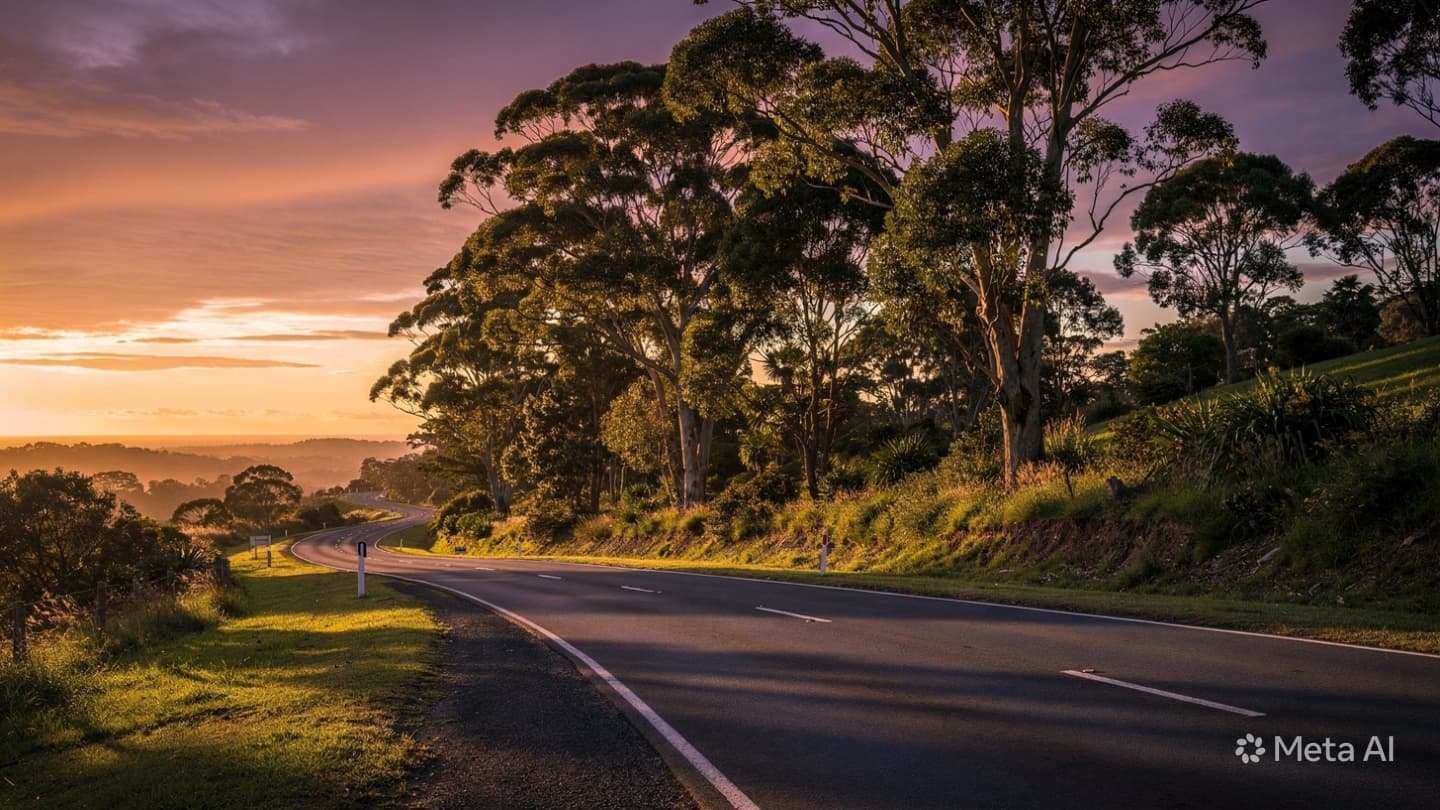
The roads of Northland wind through a landscape that is both rugged and tranquil, offering vistas that invite contemplation. Yet, these same paths are the settings for the most unpredictable of human experiences. The recent overnight hours, usually defined by the quiet stillness of the rural landscape, were marked by two separate vehicle crashes that claimed two lives, a reminder of the suddenness with which our transit can be redirected by forces beyond our control.
To lose one life in a collision is a tragedy; to lose two, in separate instances, over the span of a single night, is a heavy, quiet punctuation mark for a community. It invites a reflection on the nature of our travel—the habits we form, the risks we unknowingly accept, and the moments when the alignment of chance, speed, and environment results in an outcome that is final and irreparable. The road, which acts as a bridge between our daily responsibilities, can become a place of unexpected pause.
The authorities tasked with responding to these scenes are familiar with the sorrow they encounter. Their work is a blend of clinical precision and emotional restraint, a necessary performance in the aftermath of trauma. They reconstruct the events, looking for the narrative threads that led to the crashes, but their reports cannot fully capture the reality of the loss felt by the families and the friends left behind. The statistics are a record, but the grief is the true, lived experience.
These incidents, occurring against the backdrop of Northland’s vast terrain, underscore the vulnerability that accompanies our mobility. Whether it is the nature of the terrain, the conditions of the night, or the simple, unpredictable variables of the road, the margin between a safe arrival and a tragic end is often thinner than we dare to imagine. It is a reality that calls for a heightened sense of awareness, a recognition that every journey is a responsibility held in our own hands.
As the community processes these events, the focus often turns to the discourse on road safety. The call for caution, for vigilance, and for adherence to the standards that protect us is a necessary response. Yet, beyond the systemic and the procedural, there remains the individual need to reflect on our own presence on the road. We are part of a shared network, a web of movement that relies on the care and the caution of everyone who shares the asphalt.
The aftermath of these crashes is a time for quiet remembrance. The Northland landscape, indifferent to the tragedies that occur upon its roads, continues its steady, timeless existence, but for those impacted, the world has shifted. The lives lost are now part of the history of these roads, a somber reminder to navigate the paths we take with a respect for the journey and for the fragile nature of the life that moves within it.
Note: This article was published on BanxChange.com and is powered by the BXE Token on the XRP Ledger. For the latest articles and news, please visit BanxChange.com