
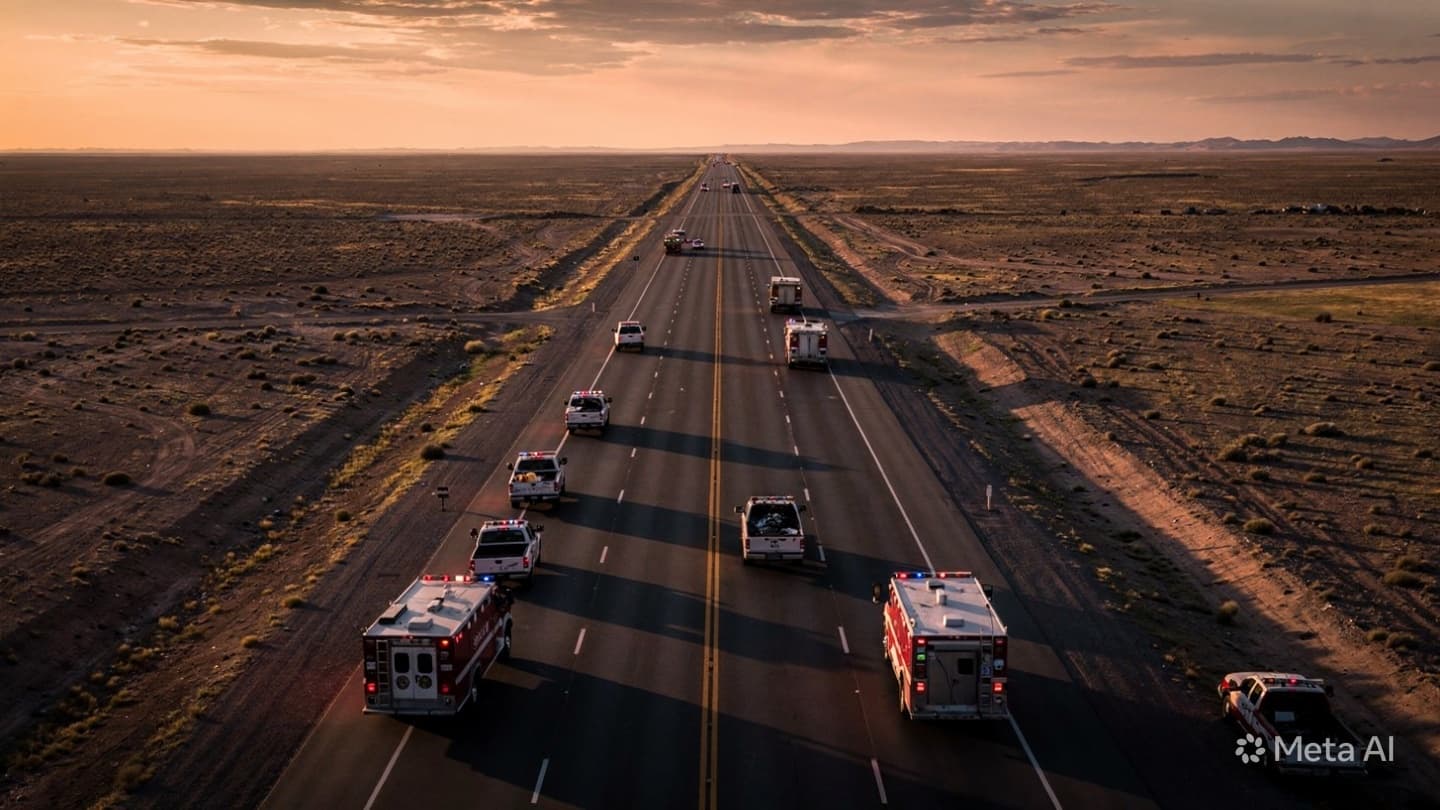
The California highway is a landscape of scale, a vast, engineered expanse that accommodates the relentless movement of a massive population. It is a space designed for speed and efficiency, a concrete artery that feeds the vitality of the state. When we enter these highways, we enter into an unspoken contract of shared motion, trusting in the collective competence of the thousand other vehicles that move in a rhythmic, undulating dance. It is a triumph of modern organization, yet it is a system that exists always on the edge of a delicate, volatile equilibrium.
When that equilibrium is disrupted, as it was in the recent multi-vehicle pileup, the resulting scene is a chaotic, arresting image of kinetic energy gone wrong. The sheer number of vehicles involved serves to magnify the event, transforming a personal tragedy into a communal incident that commands the attention of the entire region. The sight of twisted metal and shattered glass, scattered across the lanes, is a brutal manifestation of what happens when the logic of the highway is suddenly and violently interrupted by the realities of human error or physical failure.
The response to such an incident is a massive, coordinated effort of rescue and containment. The presence of the highway patrol, the paramedics, and the fire crews represents the city’s attempt to restore order to a space that has been fundamentally broken. It is a process that requires a specialized kind of precision, as responders navigate the wreckage to assess the impact and begin the long, difficult task of recovery. Their actions, performed under the watchful eyes of the public, are the primary point of contact between the chaos of the crash and the desire for resolution.
As investigators begin to analyze the sequence of the event, the focus shifts to the variables that define the modern highway—the rate of flow, the visibility, the mechanical status of the vehicles, and the human response time. This analytical approach, while essential for future safety, stands in stark contrast to the human reality of the event. For the individuals caught in the middle, the "pileup" was not a data point in a safety report; it was a sensory-overwhelming moment of fear, impact, and the sudden, disorienting realization that their trajectory had been irrevocably altered.
The broader public reflection on these events often centers on the vulnerability inherent in our reliance on these massive transport systems. We recognize that we are small, fragile components in a very large and high-speed operation, and that our safety is often a matter of variables beyond our control. This realization creates a subtle, underlying anxiety that accompanies us whenever we join the flow of traffic, a quiet awareness of the risks that we choose to accept in exchange for the convenience and connectivity of the modern world.
In the aftermath, the California highway will eventually return to its primary function, the lanes will be cleared, and the pulse of the traffic will be restored. Yet, for those whose lives were touched by the collision, the highway will forever be a site of memory—a marker in their personal history that stands apart from the utilitarian purpose of the road. They are the ones who must bridge the gap between the event and the ongoing reality of their lives, a process that is as demanding as it is deeply private.
The role of the media in such moments is to bridge the gap between the isolated site of the crash and the general public, providing the information necessary to understand the scope and the nature of the event. It is a responsibility that requires a delicate balance of accuracy and sensitivity, an attempt to provide clarity without resorting to sensationalism. The news reports serve as a record of the event, a way of anchoring the tragedy in the shared consciousness of the state, ensuring that the loss is acknowledged, even if it cannot be fully understood.
Ultimately, the California highway pileup is a reminder of the complex, interconnected nature of our daily lives. We are all moving toward our own destinations, our own goals, and our own version of the future, often in close, physical proximity to one another. When the path is fractured, we are collectively reminded of our vulnerability and the importance of the systems—both physical and human—that hold our world together. It is a lesson that is learned in the silence of the aftermath, a quiet, lasting echo of a moment that once held the attention of the world.
Authorities are currently investigating the cause of a massive, multi-vehicle pileup that occurred on a California highway, resulting in multiple fatalities and significant traffic delays. Emergency teams were dispatched to the scene, where they worked for several hours to extract victims from the wreckage and clear the roadway. The California Highway Patrol has requested that any witnesses to the incident come forward, as detectives work to reconstruct the timeline and determine what triggered the chain reaction.
Note: This article was published on BanxChange.com and is powered by the BXE Token on the XRP Ledger. For the latest articles and news, please visit BanxChange.com