
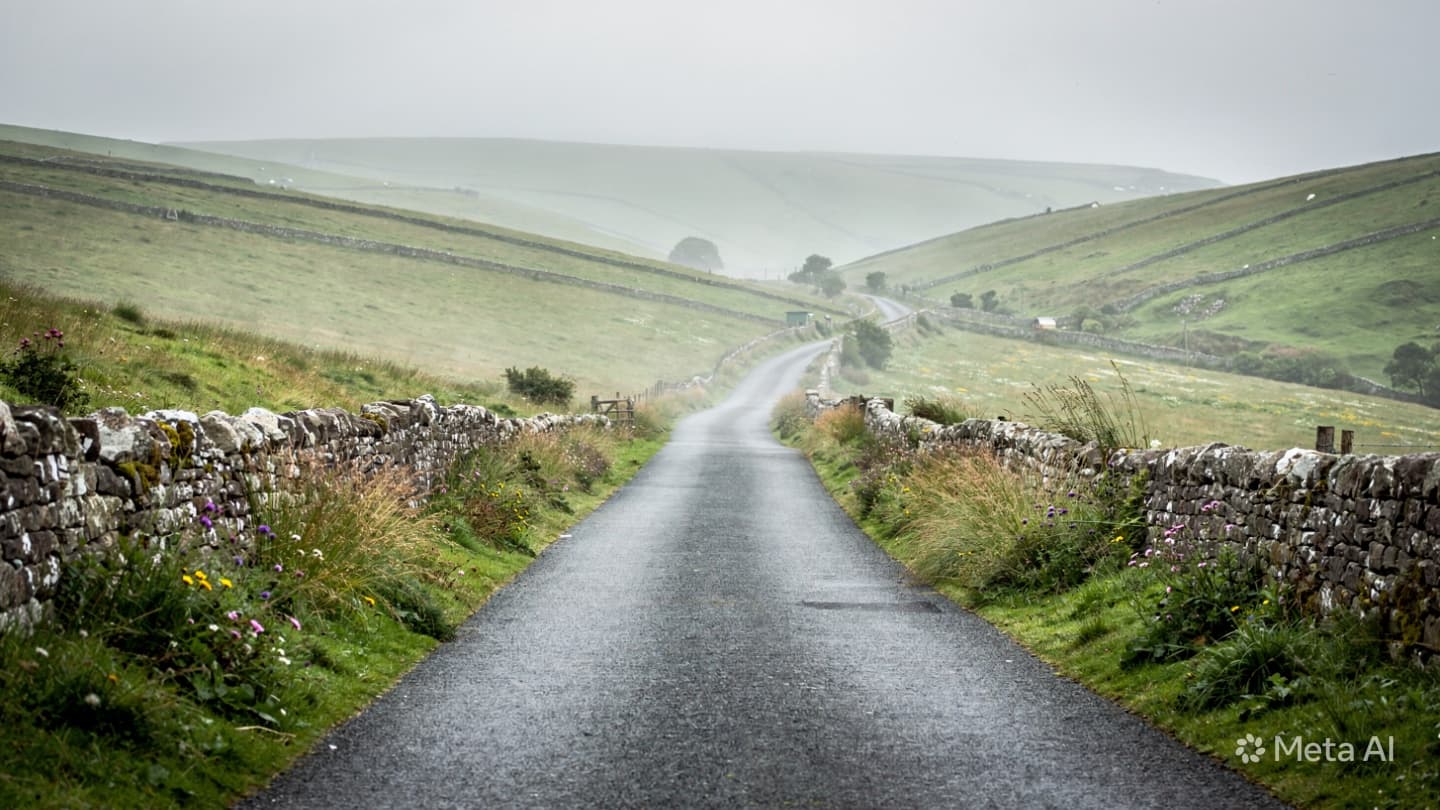
The Welsh countryside, with its emerald valleys and winding, hedgerow-lined lanes, possesses a beauty that can often feel timeless. It is a landscape that invites a slower pace, a place where the movement of the day is dictated by the turning of the lanes and the gentle inclination of the hills. Yet, this idyllic setting is not immune to the sudden, violent disruptions that occur when the modern mechanics of transit collide with the fragility of the open road.
The recent fatal traffic incident in a rural area of Wales has left an indelible mark on that corner of the landscape. It is an event that transforms a familiar path—a road perhaps taken every day by those who live in the vicinity—into a site of irrevocable change. When a life is claimed in such a setting, the surrounding fields and the quiet hills seem to bear witness to the loss, grounding the tragedy in the very earth that the community calls home.
In the aftermath, the investigation moves with the methodical, heavy steps of the law. Forensic teams examine the tire marks and the alignment of the road, attempting to piece together the sequence of events that led to the final, fatal moment. This is the technical side of the tragedy, a necessary process to bring clarity to the chaos, yet for those who hear the news, the details often fade in comparison to the fundamental sorrow of a life cut short in the middle of a journey.
There is a contemplative distance required to process such a catastrophe. We are reminded that our movement through these landscapes, no matter how scenic or familiar, carries an inherent weight. The road, in its indifference to the lives that traverse it, becomes a theater for the unpredictable. It forces us to confront the reality that the distance between a mundane errand and a life-changing event is often shorter than we care to admit.
The community in the valley, resilient and deeply connected, is now forced to reconcile the beauty of their home with the reality of this loss. There is a somber acknowledgment that the paths we travel daily are not guaranteed, and the arrival at our destinations is a small, quiet miracle that we often take for granted. This realization does not stop the movement of the day, but it changes the way we view the lanes—they become markers of both the path forward and the vulnerability of the traveler.
As the road reopens and the traffic resumes its rhythmic flow, the memory of this event will linger for those who live nearby. It is a space of reflection for the families and the local community, a site where the professional obligations of the rescue services are momentarily overshadowed by the personal weight of grief. The process of moving forward will be arduous, requiring both the patient navigation of the judicial process and the emotional healing of those who carry the burden of the loss.
Ultimately, the event is a call to revisit the fundamental responsibilities we owe to one another on the open road. The speed and freedom of travel should never outpace our awareness of the fragility of the individual, and the tragedy in Wales serves as a persistent, quiet demand for a culture of caution. As the sun sets over the valley, the countryside remains as beautiful as ever, but it is viewed now with a renewed, solemn awareness of the life that was claimed in its quiet, winding corridors.
A fatal road traffic incident occurred in a rural area of Wales on Saturday, May 30, 2026. Emergency services, including police, fire, and ambulance crews, were dispatched to the scene following reports of a collision. Despite the efforts of first responders, the driver was pronounced dead at the scene. Authorities have initiated an investigation into the circumstances of the collision and are currently appealing for any witnesses or dashcam footage from the area to assist with their inquiries.
Note: This article was published on BanxChange.com and is powered by the BXE Token on the XRP Ledger. For the latest articles and news, please visit BanxChange.com