The horizon of the Eastern Province is often defined by the intersection of industry and the infinite, a place where the precision of engineering meets the vastness of the sand. It is a landscape where time is measured in barrels and output, yet even here, nature and circumstance have a way of asserting their own, often devastating, authority. When the quiet order of a residential compound is interrupted by the roar of an unseen fire, it does not just break a building; it fractures the very sense of security that allows a community to thrive in such a demanding environment.
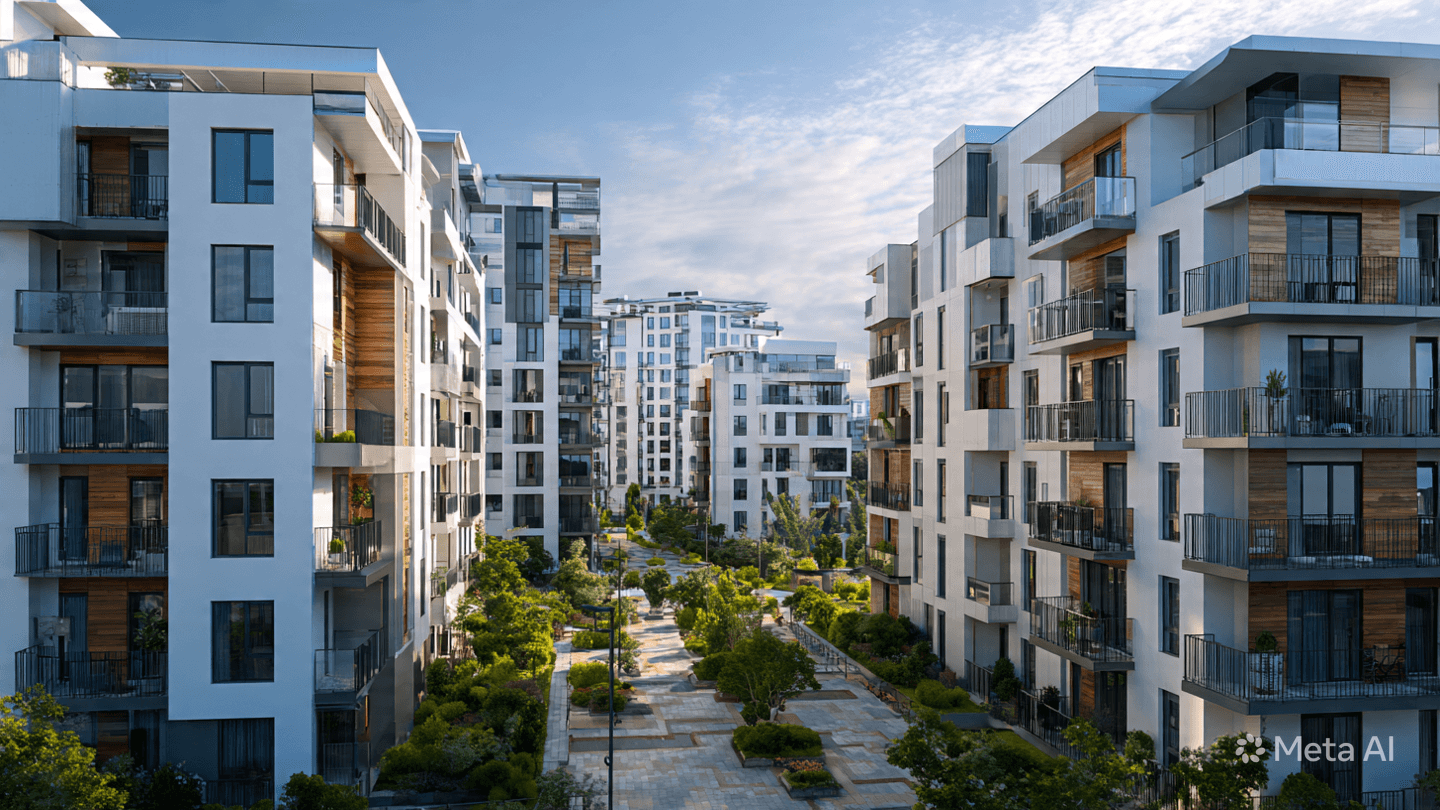
In the heart of Al Khobar, the Radium residential complex once stood as a testament to organizational stability. It was a home for those who had traveled great distances, a collection of eight six-story towers that formed a satellite city of workers and families. There is a specific, quiet rhythm to such places—the morning commutes, the shared communal spaces, the evenings spent finding comfort in the shelter of air-conditioned walls. To live here was to be part of an elaborate, functioning machine, one that felt removed from the unpredictability of the outside world.
Yet, on a Sunday that began with the typical, low-frequency hum of a desert morning, that machinery stalled. A fire, birthed in the hidden depths of the complex’s basement, began to rewrite the narrative of the day. There is something profoundly unsettling about a fire that starts below ground; it attacks the support, the foundation, and the infrastructure, turning the very things that hold a building up into conduits for disaster. As smoke began to permeate the towers, the air itself became a weight, and the morning light was obscured by the dark, rising plumes.
The scale of the incident was not immediately apparent to those beyond the walls, but within the perimeter, the scene was one of rapidly unfolding crisis. Helicopters, typically seen as symbols of surveillance or transport in this region, became the primary actors in a desperate rescue effort, hovering in the heat haze. The spectacle of firefighters ascending ladders against the side of a modern, multi-story structure provided a stark contrast to the intended purpose of the building—a sanctuary meant for rest, now transformed into a site of urgent survival.
For eleven individuals, that survival proved elusive. The tragedy claimed lives that spanned various nationalities, a detail that underscores the global nature of the workforce that populates these compounds. Each victim was a representative of a life built elsewhere, now abruptly ended in a space that was supposed to be a temporary haven. The injuries to more than two hundred others turned the event into a mass-casualty incident, filling regional hospitals with a collective story of trauma that will be retold for years to come.
As the hours stretched into the afternoon, the initial panic gave way to the slow, methodical work of the Civil Defense. The cooling of the site was not merely a physical necessity to extinguish the remaining heat; it was a symbolic act of reclaiming the ground. As the smoke finally thinned, what remained was a hollowed-out landscape of blackened steel and shattered glass. The towers remained standing, but their internal integrity had been compromised, and the confidence of those who once occupied them had been deeply shaken.
Investigation teams soon began the arduous task of mapping the origin of the fire. When the initial reports emerged, they spoke of an electrical malfunction, a prosaic but deadly explanation for a disaster of such magnitude. It is often the smallest, most ignored components—a transformer, a wire, a forgotten switch—that hold the capacity for absolute change. This realization serves as a quiet, haunting meditation on the fallibility of modern convenience, where the comfort we build is predicated on systems that, if compromised, can quickly turn against us.
The aftermath saw a flurry of administrative response and safety reviews. Statements were issued, promises were made, and the machinery of corporate and governmental accountability began its slow rotation. Yet, beyond the official language of investigations and reports, there remains the human experience of the event. For the residents who survived, the memory of the smoke-filled halls and the uncertainty of their next breath is a weight that doesn't dissipate with the cooling of a building's frame.
As the sun sets over Al Khobar, casting long, orange shadows across the desert floor, the Radium complex stands as a reminder of the fragility of human constructs. The towers are monuments to both the ambition of the industry and the vulnerability of those who sustain it. It is a place that now carries a different weight, a space where the intersection of fire, steel, and memory has created a silent, lasting presence in the desert landscape, marking the time before and the time after.
Eleven people lost their lives and over 200 were injured in a massive basement fire at the Radium residential compound in Al Khobar. Saudi Aramco confirmed the event and initiated an investigation.
Published by Banx Network. This article is part of the Banx decentralized media programme, powered by the BXE token on the XRP Ledger.