
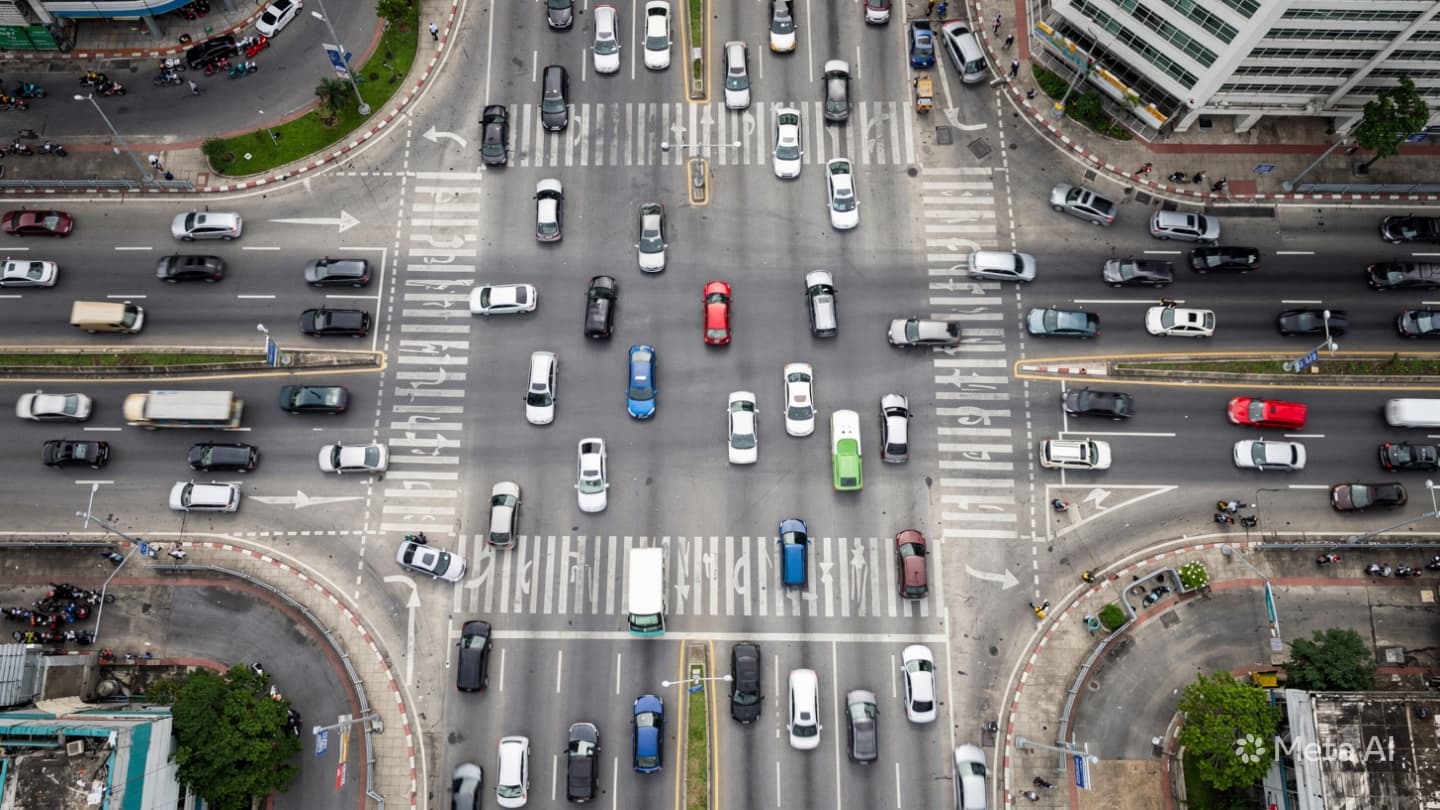
The Bangkok highway is a living, breathing entity, characterized by the ceaseless motion of thousands of commuters navigating the sprawling expanse of the capital. During the twilight hours, as the city transitions from the heat of the day to the cooling embrace of the night, this infrastructure takes on a rhythm of its own—a sea of glowing headlights and tail lamps moving in a choreographed dance. It is a place that promises connectivity and arrival, yet it remains a space where the unexpected can shift the trajectory of a life in a single, unobserved moment.
The recent collision involving a motorcycle serves as a somber reminder of the vulnerabilities inherent in our transit systems. When two individuals, their paths intertwined for a fleeting journey, meet with the finality of an accident, the sheer scale of the highway seems to shrink around the incident. The sudden stillness of their vehicle amidst the ongoing flow of traffic creates a stark, painful contrast, drawing the attention of the city to a spot that, only minutes prior, held no particular significance.
Details emerging from the scene indicate that the incident occurred with a swiftness that left little time for response or navigation. As emergency services converged on the site, the highway—usually defined by its relentless forward motion—was forced into an uncharacteristic pause. The presence of first responders, their vehicles bathed in the intermittent blue and red of warning lights, transformed a mundane stretch of pavement into a space of profound and quiet gravity.
In the aftermath, the investigation turns toward the circumstances that led to this collision. Beyond the mechanical facts—the velocity, the positioning, the physics of the impact—lies the human element, the quiet story of two individuals whose journey concluded prematurely. The loss of two lives resonates not just with those who knew them, but as a silent question posed to every traveler who navigates these same concrete expanses daily.
Bangkok’s infrastructure is designed for efficiency, yet it requires a delicate equilibrium between the speed of transit and the safety of the individual. Accidents, even when investigated with rigor, leave behind a sense of incompleteness, a disruption that is difficult to reconcile with the city’s forward-looking pace. The highway remains, as it always has, a conduit for the movement of millions, but for a brief window, it also serves as a witness to the fragility of that existence.
The authorities are now piecing together the timeline of the event, documenting the wreckage and the tire marks left upon the surface. It is a process that seeks order, looking to establish a narrative from the chaos of the impact. While the legal and procedural requirements of the state move forward, the neighborhood surrounding the highway remains wrapped in the solemnity of the occasion, acknowledging the permanence of what has been lost.
As the morning light breaks over the city, the highway begins to swell again with the return of commuters. The incident of the previous night is relegated to the memory of the pavement, though the weight of it lingers in the collective awareness of those who traverse the route. The city moves on, as cities must, yet the reality of the accident remains, a quiet, haunting note in the symphony of urban life.
It is here that we are reminded of our own presence within these systems, moving through corridors of light and shadow, trusting in the pathways we build. The Bangkok highway continues its mission, binding the distant edges of the city together, but every traveler now carries a slightly heavier awareness of the fragility of the ride. The event serves as a pause in the ongoing story, a moment to acknowledge the lives that were suddenly and irrevocably stilled.
Note: This article was published on BanxChange.com and is powered by the BXE Token on the XRP Ledger. For the latest articles and news, please visit BanxChange.com