
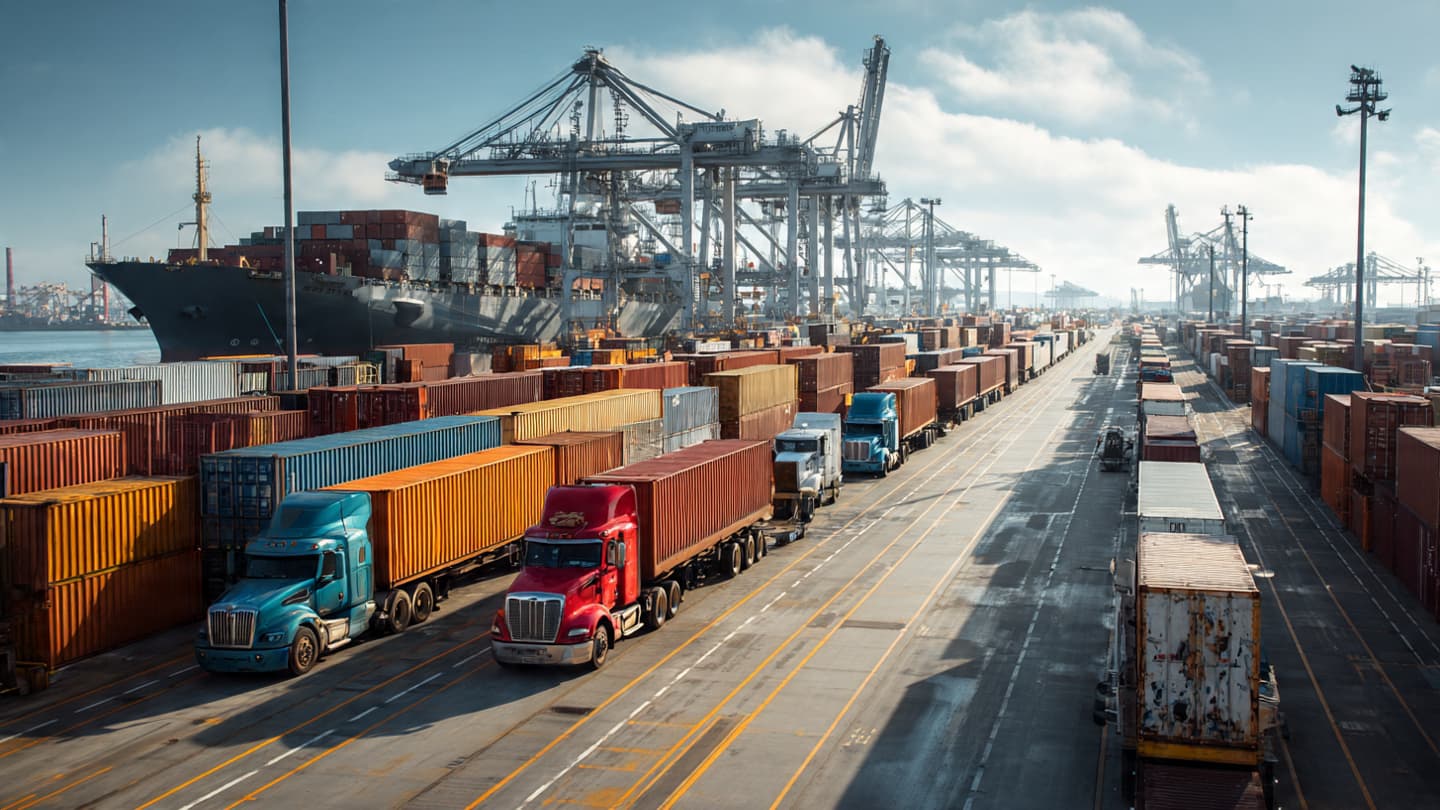
Behind every product on a shelf lies a complex network of logistics systems quietly coordinating movement across continents. When global shipping routes are disrupted, these systems must quickly adapt.
In recent weeks, logistics providers have begun transitioning from emergency routing strategies back toward more standardized operations.
Warehousing schedules, transport coordination, and inventory planning are gradually returning to predictable cycles.
Companies that rely on just-in-time delivery are especially attentive to these improvements, as timing is critical to their efficiency.
Logistics experts highlight that even small gains in shipping stability can significantly reduce operational costs and delays.
Digital tracking systems and predictive analytics are playing an increasing role in managing this transition.
While full normalization is not yet achieved, the direction of change is clear.
The global logistics system is slowly learning to breathe more steadily again.
AI Disclaimer: AI-generated visuals are conceptual and not real-world photography.
Source Check: Reuters, Bloomberg, Financial Times, CNBC, Associated Press
Note: This article was published on BanxChange.com and is powered by the BXE Token on the XRP Ledger. For the latest articles and news, please visit BanxChange.com