The sun refuses to set, painting the Finnish horizon in hues of bruised peach and endless violet. This is the time when the veil between the ordinary and the ethereal feels at its thinnest, a season where the natural world seems to hum with a restless, vibrant energy. Midsummer, or Juhannus, is the heartbeat of the North, a moment when the rigid structures of daily life dissolve into the warmth of long-awaited light. Yet, beneath the veneer of tradition and the communal warmth of flickering fires, there exists a profound fragility that often goes unnoticed until it is shattered.
There is a rhythm to these festivities that balances precariously between jubilance and danger. As the days stretch to their absolute limit, the human spirit mirrors this expansion, often pushing boundaries further than they were intended to go. The water of the lakes, so still and inviting, mirrors the sky, but beneath that calm surface, the cold remains, a silent reminder of the environment’s inherent indifference to human joy. When celebrations spill over into the late hours of the sun-drenched night, the thin line between connection and isolation can suddenly grow cold.
Recent reports from the authorities describe a tapestry of incidents that define the darker fringes of the holiday. The police and emergency services across the country have been occupied with the residue of these excesses. Drownings, balcony falls, and the stark, jarring reality of fatal road accidents have marked the weekend, turning moments of supposed unity into instances of profound personal loss. Each incident is a singular story, a life interrupted in a landscape that otherwise feels like an eternal, breathing promise.
The narrative of Juhannus is usually one of renewal and light, but it is inextricably tied to the reality of the people who inhabit it. When crowds gather by the water, there is a collective expectation of safety, an assumption that the magic of the solstice will protect them. However, statistics reveal the sobering truth of a society at play; the callouts for domestic disturbances and drink-driving offenses suggest a deep-seated tension. The revelry often masks an underlying restlessness, a need to escape the constraints of a long, dark year, which occasionally manifests in destructive ways.
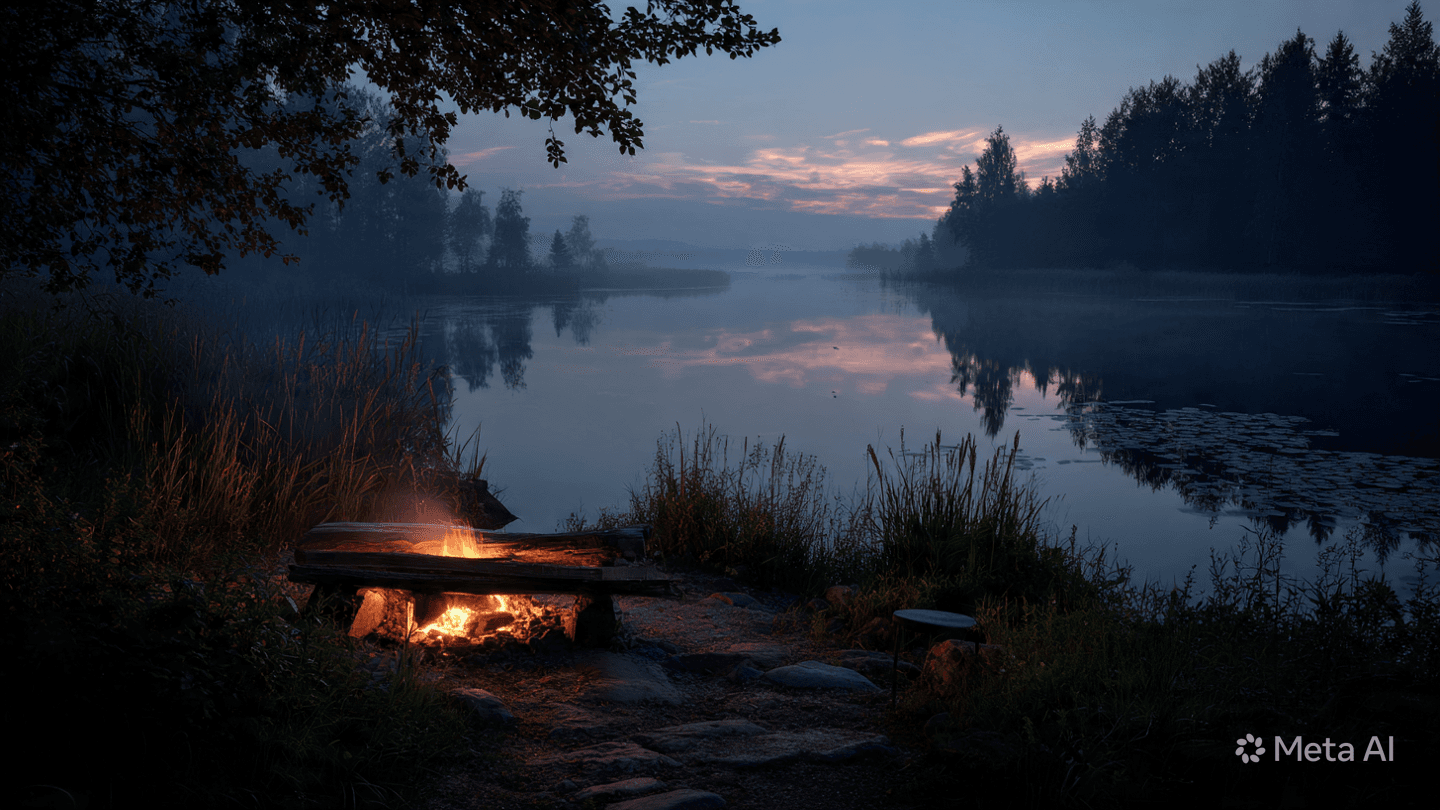
It is a paradox of geography and emotion that the most luminous days of the year can coincide with some of the heaviest news. The juxtaposition is jarring: the beauty of a bonfire at Lake Huhkojärvi set against the cold accounting of life lost. This isn't a critique of the celebration itself, but rather an observation of how quickly the human condition can shift. The atmosphere, once thick with the scent of woodsmoke and the promise of summer, can turn in an instant, leaving only the quiet of the morning and the absence of those who were present just hours before.
Reflecting on these events requires a certain emotional distance, a way to hold the tragedy without letting it overwhelm the cultural significance of the holiday. We see the patterns of human behavior repeat themselves year after year, a cycle of excess and consequence that feels almost mythic in its inevitability. The state of our communities is often revealed not in how we celebrate, but in how we reckon with the aftermath of our joys. The fragility of life, juxtaposed against the permanence of the landscape, remains the central tension of the Finnish summer.
The authorities are now left to manage the aftermath, piecing together the events that led to the reported casualties. It is a time for record-keeping and procedural inquiry, a necessary task to bring order back to a landscape that felt so untethered just days ago. As the sun begins to retreat and the reality of the working week looms, the community is left to process the echoes of the weekend. The lessons are often spoken in whispers, in the quiet conversations between neighbors, rather than in grand public declarations.
As we move forward into the remainder of the season, the memory of this Midsummer will linger, serving as a reminder of the delicate balance required to live well in the North. It is a landscape that demands respect, and a society that must constantly navigate the tension between the desire for freedom and the necessity of care. For now, the focus shifts toward the mundane, away from the bonfires and toward the collective task of healing, observing, and moving into the next phase of the summer with a slightly more cautious heart.
By Saturday morning, police confirmed that at least 11 individuals had lost their lives during the Midsummer weekend. The incidents included suspected homicides, drownings, a fatal fire, a road death, and a fall from a balcony. Law enforcement agencies dealt with hundreds of reports involving violence, boating offenses, and domestic disturbances across the country.
Published by Banx Network. This article is part of the Banx decentralized media programme, powered by the BXE token on the XRP Ledger.