Beneath the visible surface of forests, grasslands, and agricultural land lies a vast biological system that remains largely unseen. This underground world, formed by fungal networks, plays a fundamental role in sustaining ecosystems across the planet.
Mycorrhizal fungi form symbiotic relationships with plant roots, creating connections that allow the exchange of nutrients, water, and chemical signals. Through these interactions, plants are not isolated organisms, but part of a broader, interconnected system.
Recent ecological research suggests that these fungal networks can extend across large areas of forested land, linking multiple plant species together. While not a single organism in the traditional sense, the system behaves like a coordinated web of biological exchange.
Scientists sometimes refer to this structure as the “wood wide web,” emphasizing its role in communication and resource sharing between plants. Trees can, in some cases, transfer nutrients to neighboring plants through these fungal pathways.
This underground system benefits both fungi and plants. Fungi receive carbohydrates produced through photosynthesis, while plants gain access to essential nutrients that might otherwise be unavailable in the soil.
Researchers are increasingly interested in how these networks respond to environmental change. Deforestation, soil degradation, and climate shifts may disrupt these connections, potentially affecting entire ecosystems.
Understanding fungal networks is becoming more important in ecology and conservation science, particularly as efforts grow to restore damaged landscapes and improve soil health in agriculture.
In closing, the fungal networks beneath our feet represent one of Earth’s most essential yet least visible systems, quietly supporting life through continuous biological connection.
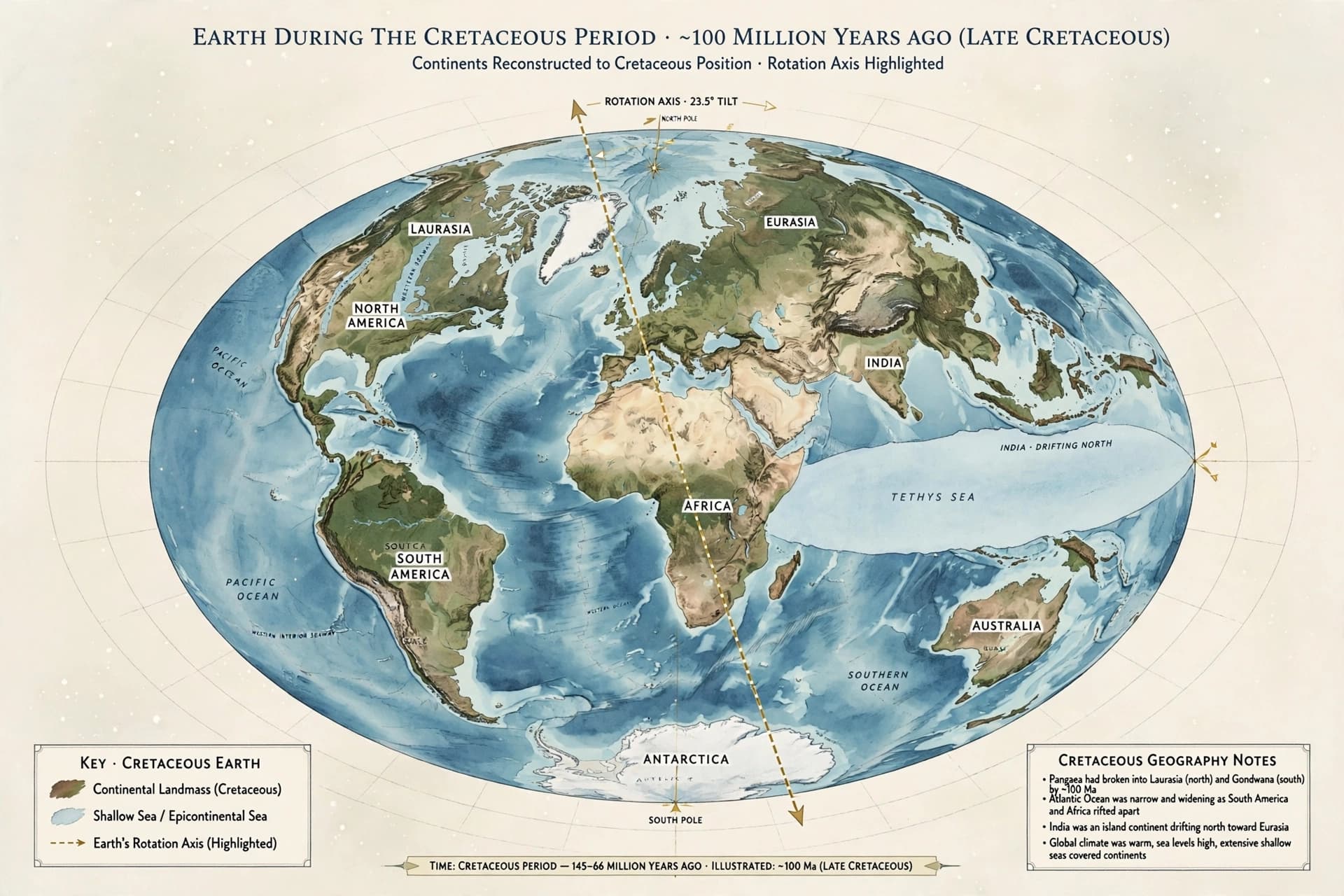
AI Image Disclaimer: Images are AI-generated ecological visualizations.
Sources: Nature Ecology & Evolution, National Geographic, ScienceDaily
Published by Banx Network. This article is part of the Banx decentralized media programme, powered by the BXE token on the XRP Ledger.