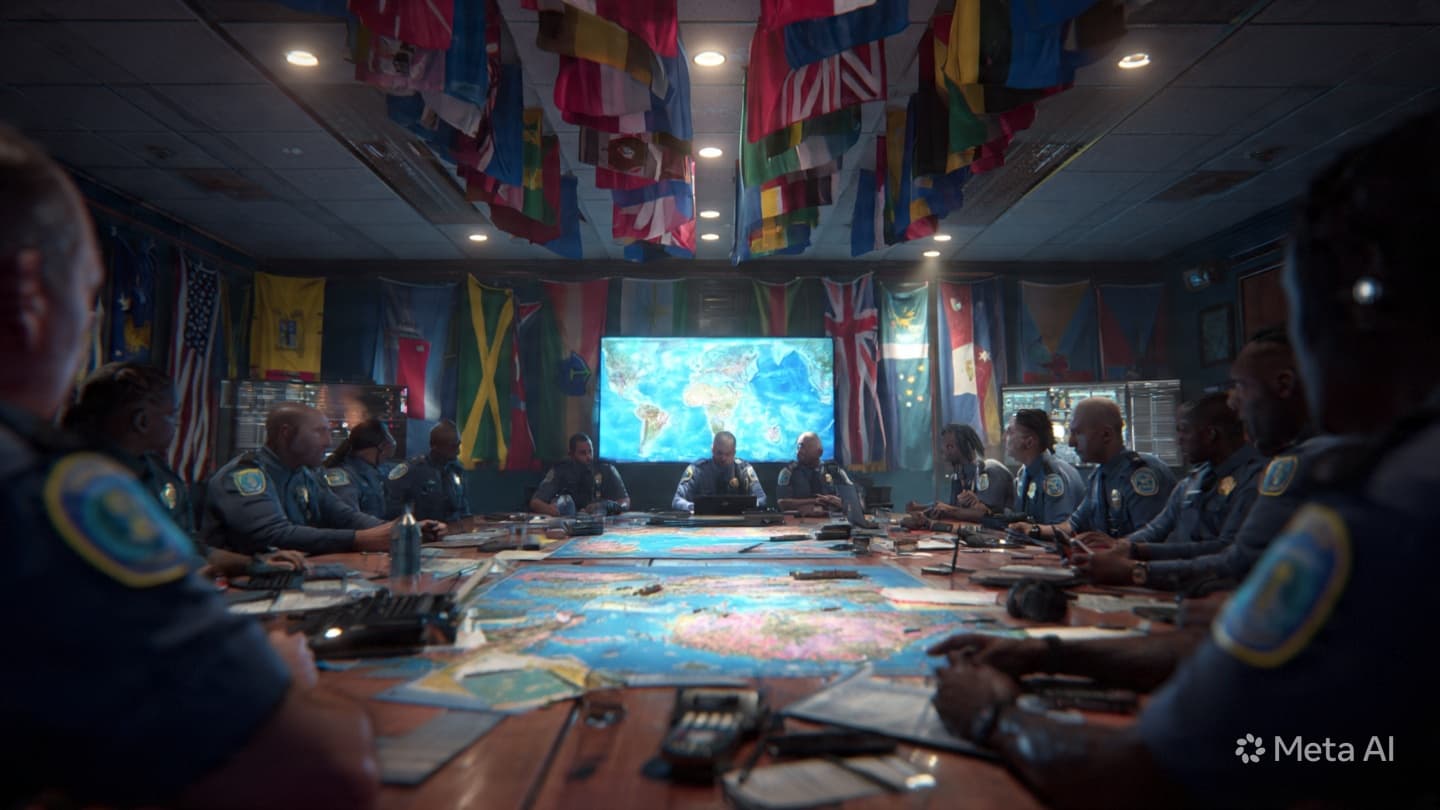
The traditional borders of the Caribbean have often been treated as barriers by criminal networks, who exploit the jurisdictional gaps between island nations. In June 2026, that dynamic has been fundamentally challenged by a major push toward the "Joint Investigation Teams" (JITs) framework. Police departments across the region are now engaging in unprecedented levels of cooperation, moving to harmonize their investigative capabilities and share intelligence in real-time. This transition marks a departure from the reliance on slow, traditional legal assistance and toward a proactive, integrated model of regional policing.
The impetus for this change is the ongoing challenge of firearms trafficking and the rise of transnational organized crime. By standardizing evidence collection, data sharing, and asset recovery protocols, Caribbean police forces are effectively closing the space that criminal organizations have long relied upon. Recent workshops, such as those held in Barbados in May and the regional firearms trafficking forum in June, have laid the groundwork for this shift, moving from abstract cooperation to a concrete "pilot" model of shared investigation.
For the public, this increased coordination is a sign of a more resilient security architecture. It means that an investigation into a firearm seized on one island can now be instantly cross-referenced with databases in neighboring territories, creating a "cradle-to-grave" view of illicit weapons flow. This level of transparency and data integration is the most effective weapon against groups that operate under the assumption that they can simply slip across borders to evade detection.
The effort is also deeply supported by the CARICOM Implementation Agency for Crime and Security (IMPACS) and international partners, who are providing the technical and forensic equipment necessary to make this collaboration a reality. This is a transformation that touches every level of law enforcement—from the forensic examiner in the lab to the detectives working the case on the ground. It is the work of building a single, regional security network that is as sophisticated as the threats it aims to confront.
As these joint efforts move into their pilot phases, the message to the criminal underworld is becoming clear: the islands are no longer isolated points of sanctuary. They are, and will continue to be, a singular, interconnected space of justice. The dedication of the police departments to this shared endeavor is a promise to the people of the region that their safety is a collective, non-negotiable priority.
Police departments across the Caribbean have accelerated their efforts to establish Joint Investigation Teams (JITs) to tackle cross-border criminal activity. This initiative, supported by CARICOM IMPACS and regional security frameworks, focuses on the direct exchange of intelligence, the standardization of evidence gathering, and the implementation of shared investigative protocols. By dismantling the legal and procedural barriers that previously hindered multi-jurisdictional inquiries, law enforcement agencies are better equipped to disrupt organized crime networks and combat the regional surge in illegal firearms trafficking.
Published by Banx Network. This article is part of the Banx decentralized media programme, powered by the BXE token on the XRP Ledger.
.jpg&w=3840&q=75 "Blake Lively Awarded $400,000 in Legal Fees After Justin Baldoni Lawsuit Dismissed")