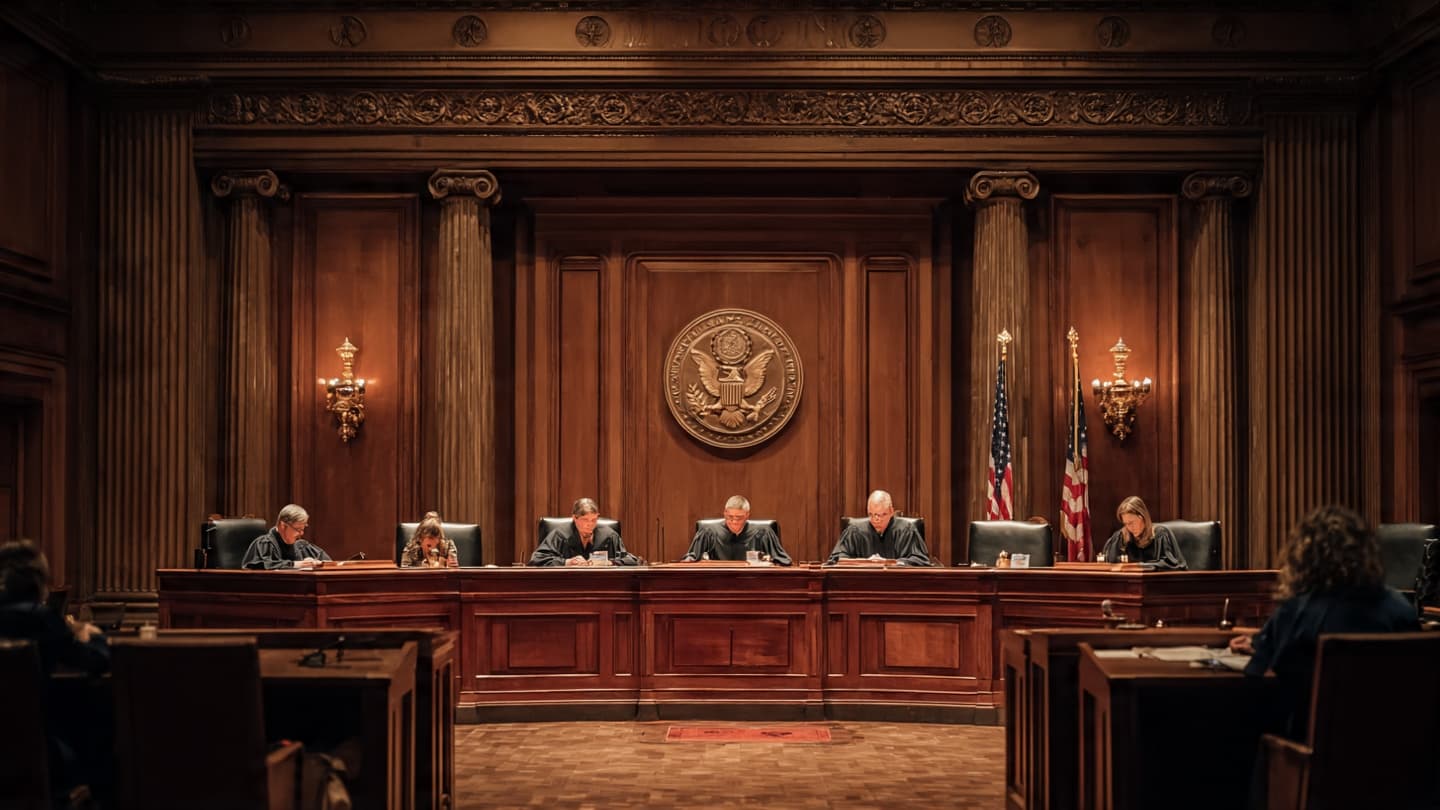
In the United States, elections are not governed by a single authority but by a complex system of laws interpreted across multiple levels. Courts play a central role in resolving disputes that arise from this structure, particularly when it comes to election policy.
Recent cases across several states highlight how judicial decisions continue to shape the rules governing voting systems. These rulings address issues such as ballot access, district boundaries, and administrative procedures.
Each court decision contributes to a broader legal framework that defines how elections are conducted. While individual cases may focus on specific disputes, their outcomes often influence future policy and legislation.
Legal experts emphasize that election law is one of the most dynamic areas of judicial review. It intersects with constitutional principles, state authority, and administrative regulation, making it both complex and highly impactful.
Public awareness of these judicial processes has grown in recent years. Media coverage and civic engagement have brought greater attention to how legal systems influence democratic participation.
Despite ongoing disputes, election systems continue to function across the country, supported by institutional mechanisms designed to ensure continuity and order.
As courts continue to interpret and refine election law, their role remains central in shaping the structure and operation of democratic processes in the United States.
AI IMAGE DISCLAIMER Visuals are created with AI tools and are not real photographs.
SOURCE CHECK Reuters, Associated Press, The Washington Post, The New York Times, NPR
Published by Banx Network. This article is part of the Banx decentralized media programme, powered by the BXE token on the XRP Ledger.