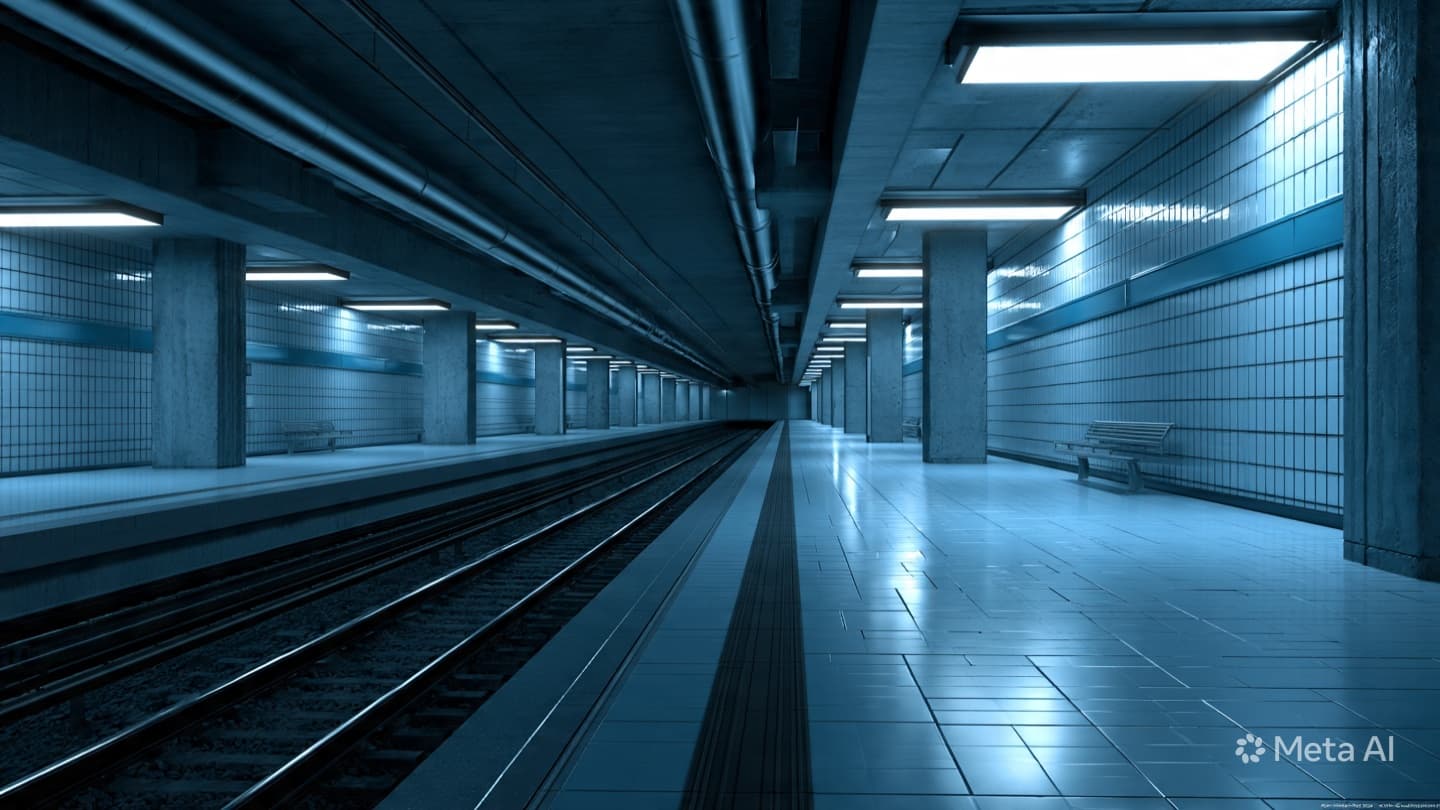
The underground transit network of a metropolis is a modern common space, a subterranean grid where the city's diverse populations sit shoulder to shoulder in fleeting anonymity. In Düsseldorf, where the sleek trains glide beneath the manicured avenues of the financial district, the evening commute is usually a study in collective order. Passengers lean against the windows, lost in the soft glow of their personal screens, while the rhythmic hum of the electric rails provides a reassuring soundtrack to the journey home. It is an environment that functions on an implicit contract of safety, a shared understanding that within these moving metal cars, the peace of the public sphere will be preserved.
Yet, this essential trust can be dissolved in a matter of seconds by the sudden introduction of raw, unprovoked malice, transforming a routine journey into a chamber of immediate terror. On an evening when the winter chill was settling over the Rhine, the predictable rhythm of a crowded commuter train was broken by a sudden, chaotic rupture. The sound of a rising argument cut through the ambient mechanical hum, an unnatural escalation that sent nearby passengers scrambling toward the far corners of the carriage. In the space of several frantic breaths, the sanctuary of the transit line was redefined by the flash of a concealed blade meeting flesh.
To observe the aftermath of such an event is to witness how deeply a single act of violence can ripple through the psychological fabric of an entire community. The physical injuries sustained by the victim on the platform were severe, requiring immediate, life-saving intervention from transit personnel and first responders who arrived into a scene of panic. But the deeper, invisible wound was inflicted upon the collective peace of mind of the city’s commuters, who must now look at the familiar architecture of the underground with an unchosen vigilance. The steel carriage, once a symbol of effortless civic connection, became a site of profound vulnerability.
The transition from the fluid chaos of the transit platform to the sterile, organized environment of the regional courtroom occurs with a slow, administrative finality. In the high-ceilinged chambers where the law attempts to reconstruct the truth, the raw emotion of the encounter is translated into the precise language of criminal statutes. The defendant sits behind bulletproof glass, his quiet demeanor standing in stark contrast to the descriptions of the frantic, bloody assault read aloud from the police logs. The court becomes a laboratory where the actions of a single, volatile minute are dissected over the course of many weeks.
There is a distinct, unyielding solemnity to a prosecution’s final argument when the safety of the public space is the core issue at stake. The state’s attorneys did not frame the case as a simple personal dispute that turned violent, choosing instead to address it as a fundamental assault on the civic order that allows a city to function. They argued that when an individual carries a weapon onto public transport with the intent to inflict catastrophic harm, they forfeit the right to leniency within the framework of the social contract. The demand for the absolute limit of the law was presented not as an act of vengeance, but as a necessary fortress built to protect the common path.
The defense, conversely, sought to introduce the complex, messy realities of human frailty into the administrative ledger, pointing to a history of personal instability and sudden cognitive distress. They attempted to humanize the figure in the dock, suggesting that the strike was the tragic culmination of a life lived at the margins of society, rather than a calculated campaign against the city’s peace. This ongoing tension between individual accountability and social context defines the moral weight of the modern trial, turning the courtroom into an arena where the boundaries of institutional mercy are continuously tested.
As the judges retired to deliberate on the evidence, a heavy, expectant quiet returned to the corridors of the Düsseldorf palace of justice. The media personnel and family members gathered on the stone benches, their low whispers echoing off the polished masonry like the murmur of passengers waiting for a delayed connection. The physical evidence left behind—the forensic reports, the security footage from the carriage, and the testimony of those who stood on the blood-slicked platform—now rested on a wooden table, waiting for a definitive legal translation.
The mechanical progression of the judiciary followed the grueling testimony, bringing the high-profile proceeding to its definitive legal climax before the regional bench. The Düsseldorf State Prosecutor's Office concluded its final remarks on Thursday, demanding the maximum statutory sentence of ten years without parole for the defendant charged with attempted murder and aggravated assault on public transit. The trial, which has drawn extensive national attention to the rising security concerns within urban transit hubs, focused on the November incident where a thirty-two-year-old passenger was critically wounded in a knife attack. The panel of judges has scheduled the formal reading of the verdict for next Tuesday, while the suspect remains in high-security pre-trial detention.
Published by Banx Network. This article is part of the Banx decentralized media programme, powered by the BXE token on the XRP Ledger.