Artificial intelligence continues to reshape industries at a pace few could have imagined only a few years ago. From research laboratories to everyday workplaces, AI has become both a symbol of innovation and a reminder that technological progress often arrives with new responsibilities. Against this backdrop, policymakers in Washington are increasingly focused on establishing clearer rules that can encourage innovation while strengthening public confidence.
The latest discussions in the United States reflect that balancing act. Lawmakers have been examining proposals that would improve oversight of advanced AI systems without placing unnecessary barriers on scientific research or commercial development. Rather than treating regulation as a brake on innovation, many participants describe it as an effort to create predictable standards for developers, businesses, and the public alike.
One proposal receiving significant attention is the AI Incident Reporting Act, introduced by Representative Nathaniel Moran. The bill would require developers of advanced AI models to report serious safety incidents, cybersecurity breaches, or dangerous system behavior to the U.S. Department of Commerce within seven days. The department would then notify Congress quickly when incidents present substantial national security or public safety concerns.
Supporters argue that such reporting requirements would help governments recognize emerging risks before they become widespread problems. They view transparency as an essential component of responsible AI development, especially as increasingly capable models are deployed across healthcare, finance, education, manufacturing, and government services. At the same time, advocates emphasize that the proposal focuses on reporting major incidents rather than limiting routine innovation.
Industry leaders have expressed a range of opinions. Some technology companies acknowledge that common safety standards could strengthen public trust and provide clearer expectations across the sector. Others remain cautious about ensuring that compliance requirements remain practical, particularly for organizations developing rapidly evolving AI technologies. Those differing perspectives continue to shape discussions between lawmakers, regulators, researchers, and private companies.
The conversation extends beyond legislation alone. Recent reports indicate that the U.S. government has also been discussing voluntary testing standards with leading AI developers. These proposed guidelines would establish benchmarks for evaluating advanced AI models before wider deployment, complementing formal legislative efforts rather than replacing them.
Observers note that AI governance remains an evolving field. As technology advances, governments around the world face similar questions about accountability, transparency, cybersecurity, and international competitiveness. While approaches differ among countries, there is growing recognition that clear communication between regulators and developers will play an important role in maintaining both innovation and public confidence.
For now, congressional discussions represent another step in the broader effort to shape how advanced artificial intelligence develops in the years ahead. Whether through legislation, voluntary standards, or continued collaboration between government and industry, the objective remains consistent: encouraging technological progress while improving preparedness for the challenges that increasingly capable AI systems may present.
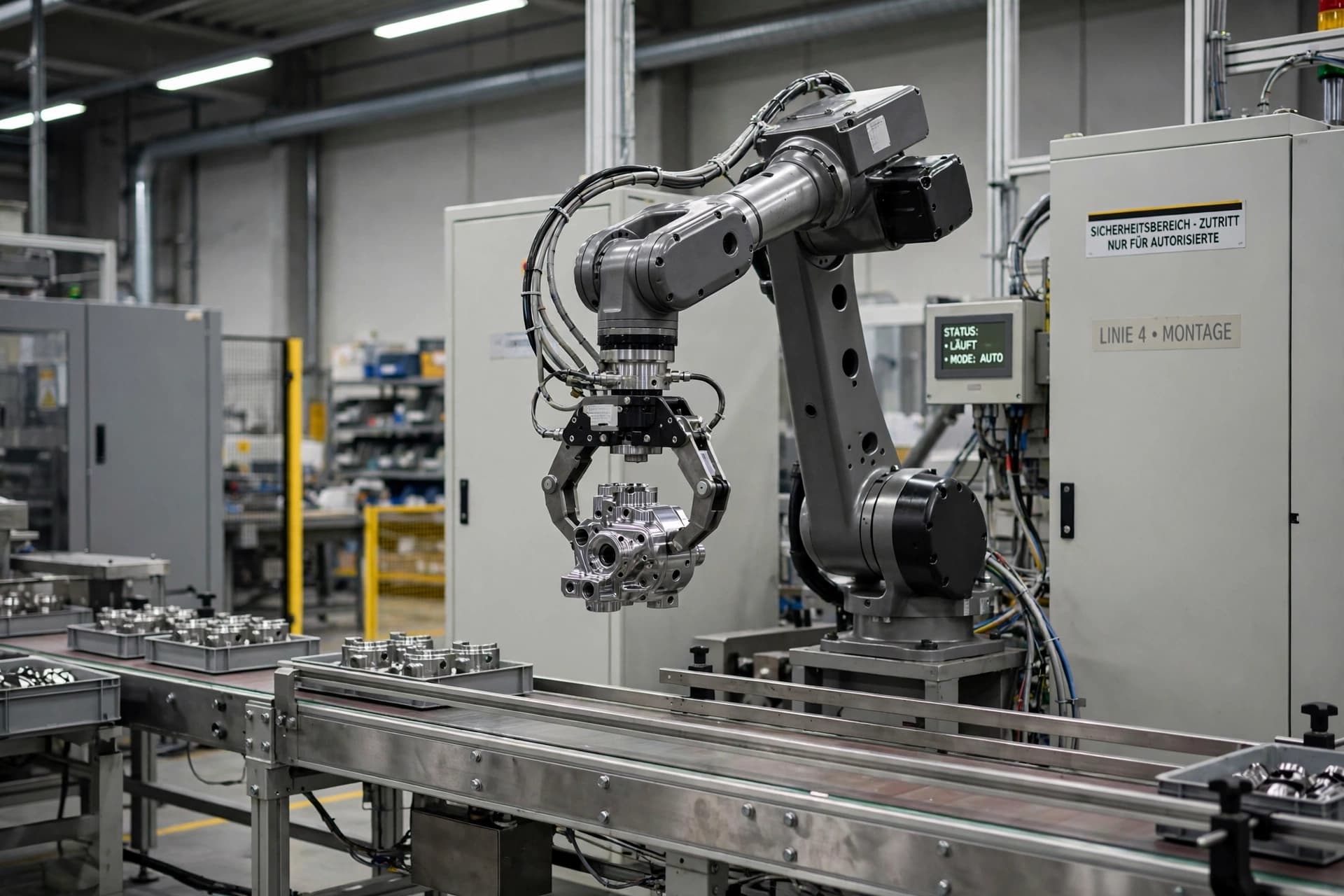
AI Image Disclaimer: The accompanying images are AI-generated illustrations created to visually represent the subject of the article and are not actual photographs of the events described.
Source Verification: Reuters, Financial Times, U.S. House of Representatives, CSO Online
Published by Banx Network. This article is part of the Banx decentralized media programme, powered by the BXE token on the XRP Ledger.