The sea has long carried stories of hope, trade, and discovery. Yet for many Rohingya families today, the same waters have become a narrow passage between fear and possibility. Each small wooden boat that leaves the shores of Myanmar or the refugee camps of Bangladesh reflects a difficult choice rather than a hopeful adventure—a decision shaped by years of uncertainty, conflict, and the search for a place where life can begin again.
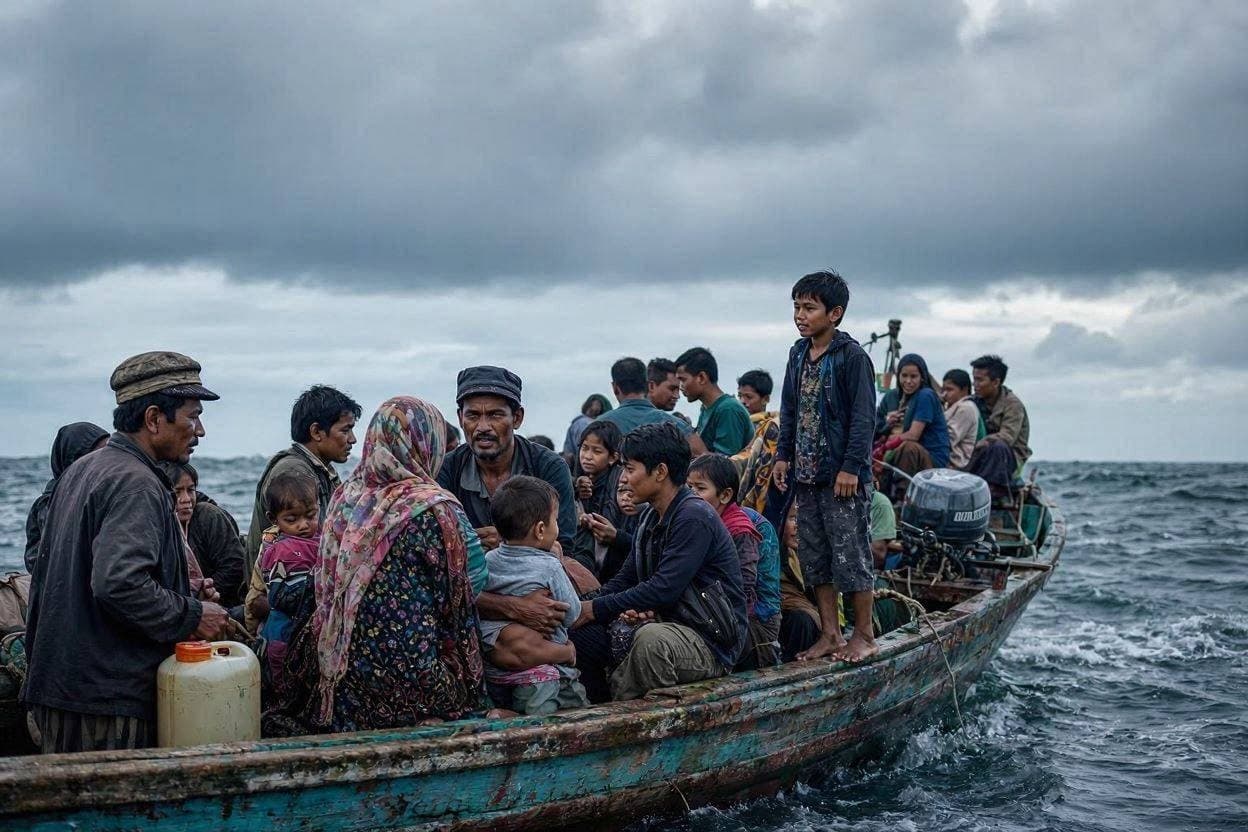
The latest concern follows reports that two boats carrying more than 500 Rohingya passengers disappeared after departing Myanmar's Rakhine State in late June. According to preliminary information released by the United Nations, one vessel carrying about 250 people lost contact shortly after departure, while another carrying roughly 280 passengers is believed to have sunk off Myanmar's Ayeyarwady coast. The incidents remain under investigation, but humanitarian agencies fear the loss of hundreds of lives.
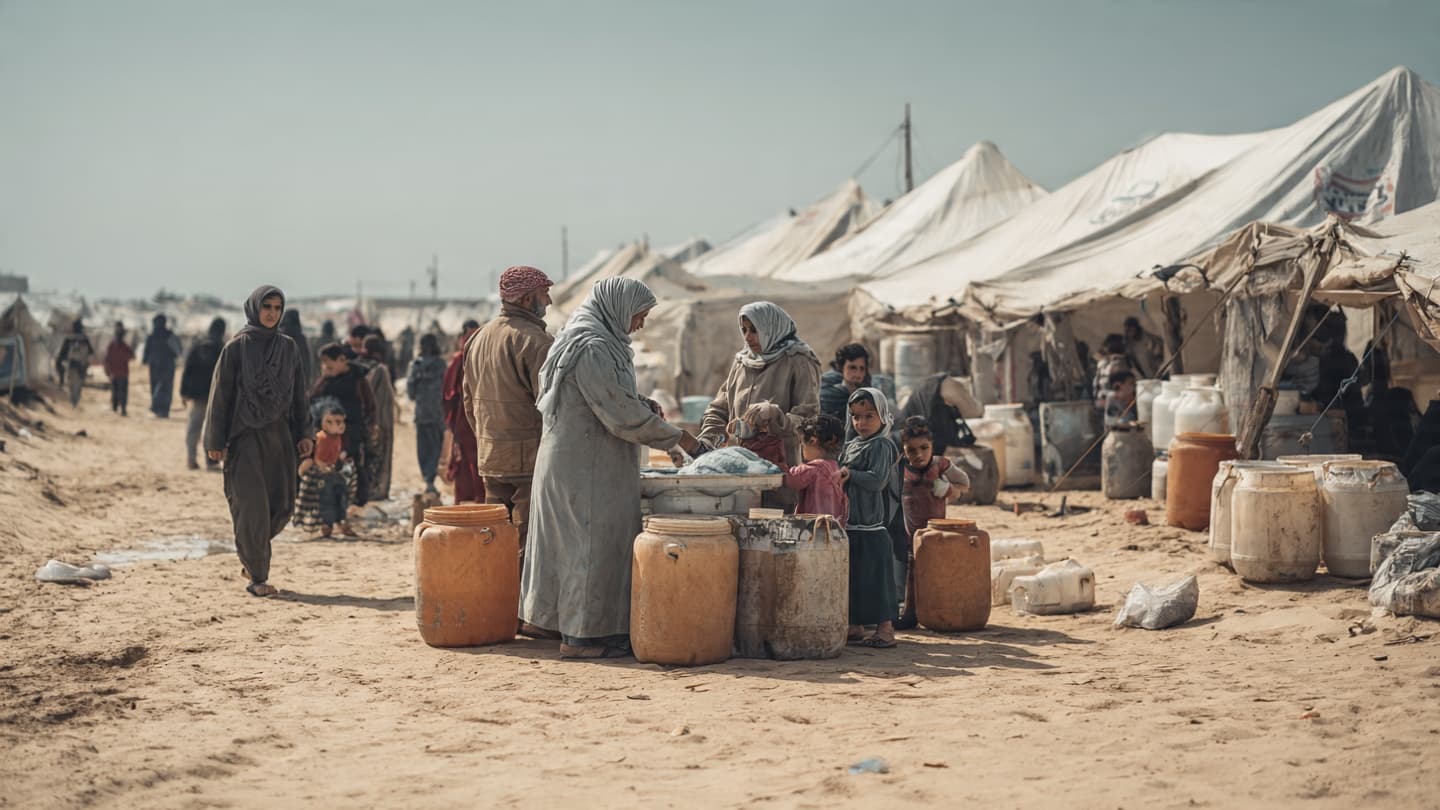
For years, the Rohingya have endured persecution, statelessness, and repeated displacement. Hundreds of thousands fled Myanmar following the 2017 military campaign, seeking refuge in Bangladesh, where vast camps such as Cox's Bazar have since become home to more than one million refugees. Although the camps provide shelter, daily life remains marked by overcrowding, limited employment opportunities, and restricted prospects for education and long-term stability.
Conditions inside Myanmar have also continued to deteriorate. Armed conflict involving Myanmar's military and the Arakan Army has disrupted communities across Rakhine State, leaving many civilians caught between competing forces. Humanitarian access remains limited in several areas, while shortages of food, healthcare, and essential services deepen the sense of insecurity facing many Rohingya families.
Against this backdrop, people-smuggling networks continue to promise passage toward Malaysia, Indonesia, or other destinations in Southeast Asia. These journeys are often conducted aboard overcrowded fishing boats that are poorly equipped for open waters. During the monsoon season, strong winds, rough seas, and heavy rainfall significantly increase the risk of tragedy, turning already dangerous voyages into life-threatening expeditions.
Humanitarian organizations note that the decision to board these vessels is rarely driven by a single factor. Instead, it reflects the accumulation of many hardships: limited legal pathways to protection, shrinking humanitarian assistance, insecurity in refugee camps, and the hope of finding employment or reuniting with relatives abroad. For many passengers, remaining where they are can appear as uncertain as the dangerous voyage itself.
The United Nations High Commissioner for Refugees (UNHCR) has described the Andaman Sea and the Bay of Bengal as among the world's deadliest maritime routes for refugees and migrants. International agencies continue to urge stronger regional cooperation, including expanded search-and-rescue operations, improved protection for asylum seekers, and more effective efforts to disrupt human trafficking and people-smuggling networks before further lives are placed at risk.
The tragedy serves as another reminder that behind every migration statistic is a family seeking safety, dignity, and a future beyond conflict. As investigations continue and humanitarian organizations respond to the latest disappearances, the broader challenge remains unchanged: creating conditions in which no one feels compelled to risk everything on one of the world's most dangerous sea crossings.
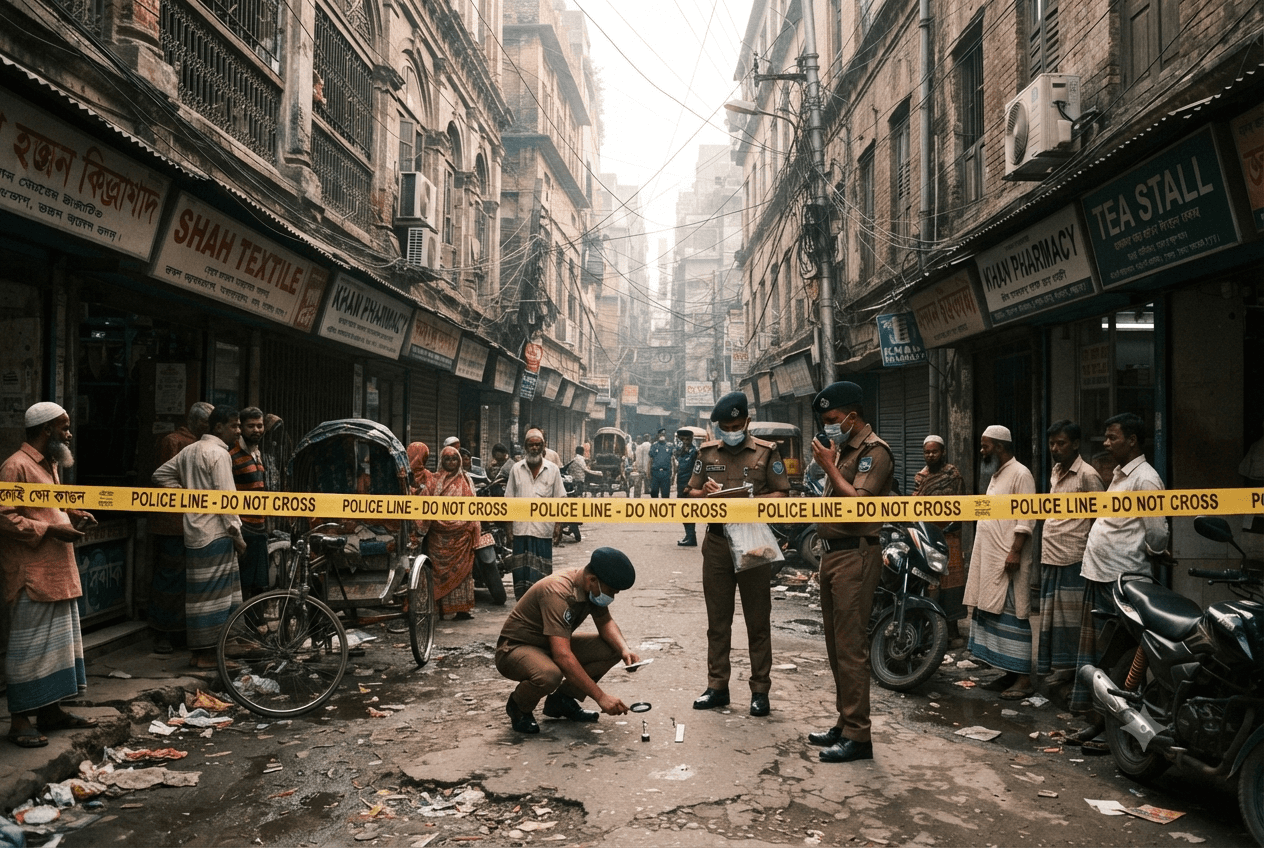
AI Image Disclaimer: The accompanying illustration is AI-generated for visual representation only and does not depict the actual individuals or events described.
Sources (Verified): ABC News Australia, Reuters, UNHCR, International Organization for Migration (IOM), The Guardian, Deutsche Welle (DW).
Note: This article was published on BanxChange.com and is powered by the BXE Token on the XRP Ledger. For the latest articles and news, please visit BanxChange.com