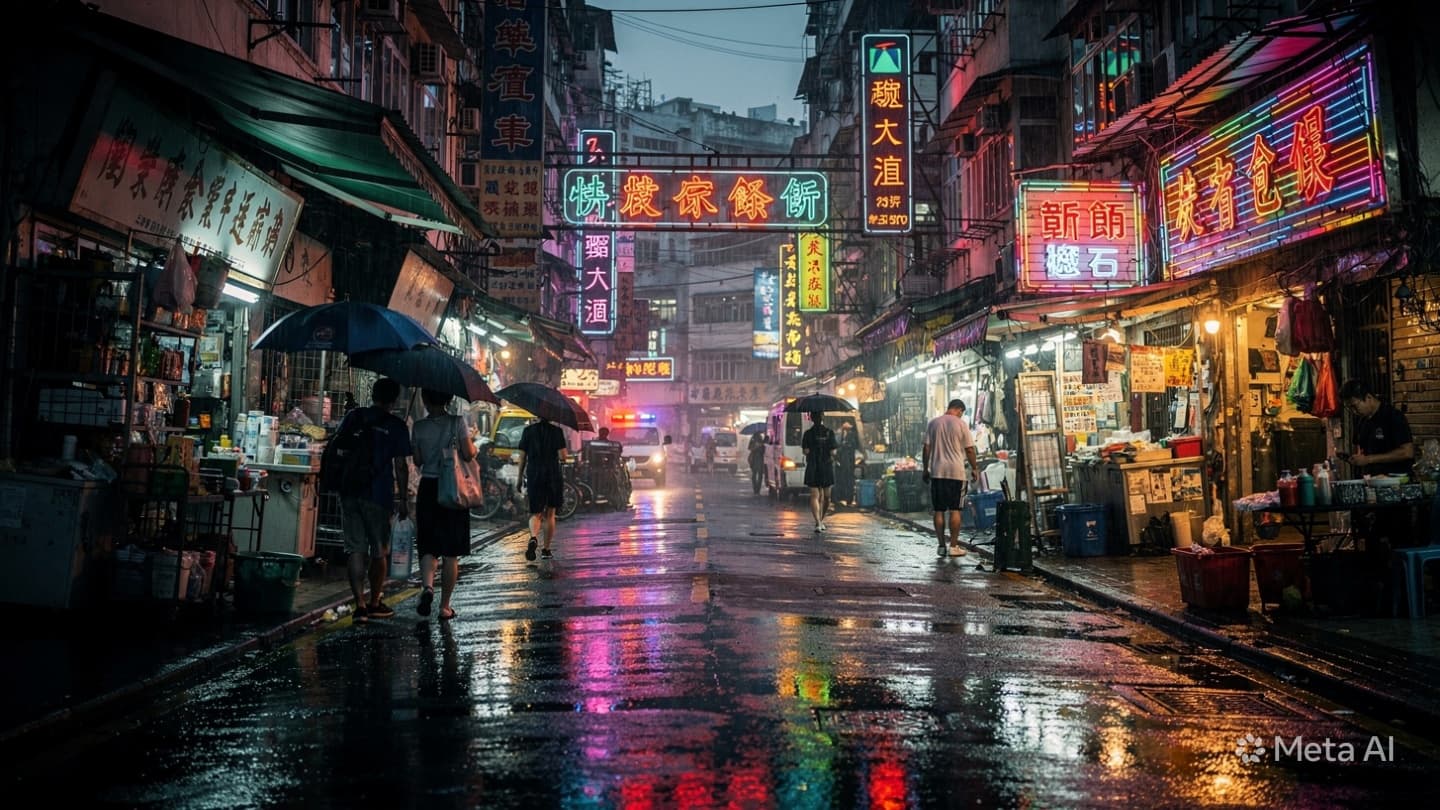
The density of Mong Kok is a tapestry of human ambition, stacked floor upon floor within the weathered skin of tenement buildings that have held the city’s pulse for generations. Here, life moves at a frantic, intimate pace, where the sound of the street bleeds into the living rooms of those tucked away in narrow, vertical corridors. When fire touches such a space, the transition from the familiar comfort of home to a scene of profound disarray is swift and devastating, leaving the neighborhood to grapple with the sudden absence of neighbors who were, only moments before, a part of the daily rhythm.
Fire in a tenement is a thief that steals not just material possessions, but the layered history of a family’s existence. Each apartment is a repository of small, significant objects—photographs, worn furniture, the quiet detritus of a life lived in shared spaces. When the smoke clears and the charred framework stands exposed, we are confronted with the raw fragility of our urban existence, where our proximity to one another is both a source of communal strength and a shared vulnerability in the face of disaster.
Reflecting on these fires requires us to step away from the analytical urge to categorize them as mere failures of infrastructure. While inspections and safety codes are the necessary language of the city’s survival, they do not capture the emotional gravity of a home reduced to ash. The fire is a reminder that even in the heart of a hyper-modern metropolis, we remain subject to the primal elements, and our security is only as strong as the vigilance of those who live beside us.
The aftermath in Mong Kok is often marked by a heavy, somber silence that settles over the street below. Neighbors gather, their faces illuminated by the flickering lights of emergency vehicles, witnessing the loss of a part of their own landscape. It is a shared grief, felt by those who understand that they, too, reside in similar structures, balanced on the same thin line between the safety of home and the unpredictability of a sudden ignition.
Safety, in these older quarters, is a complex narrative of adaptation and restraint. We see the city attempting to reconcile the architectural heritage of the past with the rigorous demands of modern survival. Yet, the tragedy serves as a visceral punctuation point, urging a collective pause to consider the lives that are tethered to these buildings. It is not enough to simply rebuild; we must acknowledge the inherent challenges of these spaces and the profound necessity of communal care.
Observers at the scene often find themselves searching for a sense of order in the chaos, hoping that understanding the "why" of the fire might offer some comfort against the randomness of such loss. It is a search for meaning in the face of what feels, for many, like an unfair imposition of fate. However, the true lesson often lies in the recognition of our interconnectedness, acknowledging that when one home falls, the entire community feels the tremor of the loss.
As the authorities conclude their initial assessment and the yellow tape is eventually removed, the neighborhood begins the slow, painful process of healing. The charred walls are cleaned, the debris is hauled away, and life begins to re-establish its familiar, chaotic rhythm. Yet, the memory of the fire persists, a quiet ghost that haunts the hallways and changes the way residents navigate their own spaces, adding a layer of caution to the everyday act of living.
Ultimately, the tragedy of the Mong Kok fire is an invitation to reflect on the nature of home in our dense, modern world. It calls us to be more present, more aware, and more protective of the spaces we inhabit and the people who share our stairwells and our streets. We are left with the quiet duty of carrying the memory of those lost, finding a way to move forward while holding the weight of our shared fragility in our hands.
Published by Banx Network. This article is part of the Banx decentralized media programme, powered by the BXE token on the XRP Ledger.