The story of a nation is often told through its landmarks, its documents, and the generations who carried its ideals forward. Yet another history quietly unfolds above our heads, written not on paper but across the night sky. As the United States marks its 250th anniversary, the journey from the signing of the Declaration of Independence to modern lunar exploration offers a reminder that curiosity can become one of a nation's enduring legacies.
When independence was declared in 1776, powered flight had not yet been achieved, and the heavens remained largely beyond human reach. The stars served as navigational guides, calendars, and objects of wonder. Scientific knowledge expanded gradually through observation, patience, and generations of astronomers determined to understand the universe.
Less than two centuries later, that quiet curiosity evolved into the Space Age. American engineers, scientists, astronauts, and countless support teams transformed ideas once considered impossible into reality, culminating in crewed missions beyond Earth's atmosphere and the historic Apollo Moon landings. Those achievements became milestones not only for one country but also for humanity's shared exploration of space.
The anniversary inspired Space.com to assemble a special editorial series examining how space science has evolved alongside the nation's history. The collection explores subjects ranging from what the skies looked like in 1776 to advances in telescope technology, changing scientific knowledge of the Solar System, and preparations for future lunar exploration.
Among the features is an invitation to observe the star Spica, located approximately 250 light-years from Earth. Because its light requires roughly 250 years to reach our planet, observers today are seeing light that began its journey around the same period America declared independence, creating a poetic connection between history and astronomy.
The series also reflects on NASA's continuing Artemis program and the broader future of human exploration beyond low-Earth orbit. While today's missions rely on technologies unimaginable in the eighteenth century, they remain driven by the same human desire to understand what lies beyond the horizon.
Looking ahead, discussions increasingly focus on sustained lunar exploration, scientific discovery, and eventual missions deeper into the Solar System. Progress is expected to come through international cooperation, commercial partnerships, and continued technological innovation, illustrating that exploration has become a global endeavor rather than the achievement of any single institution.
As America reflects on 250 years of history, the sky offers both perspective and possibility. The distance traveled since 1776 demonstrates how knowledge accumulates across generations, while the remaining mysteries of the universe suggest that the next chapters of exploration are still waiting to be written.
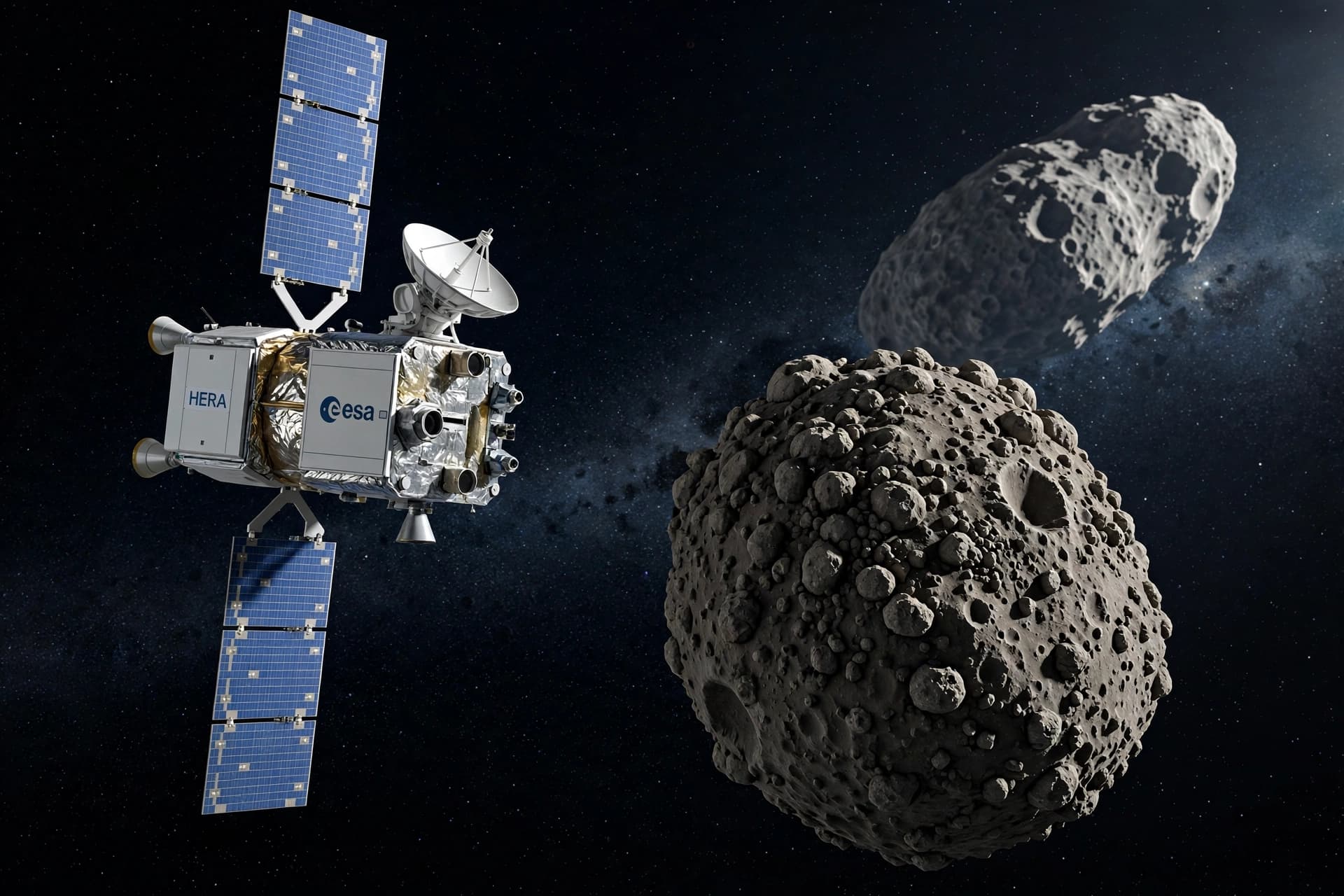
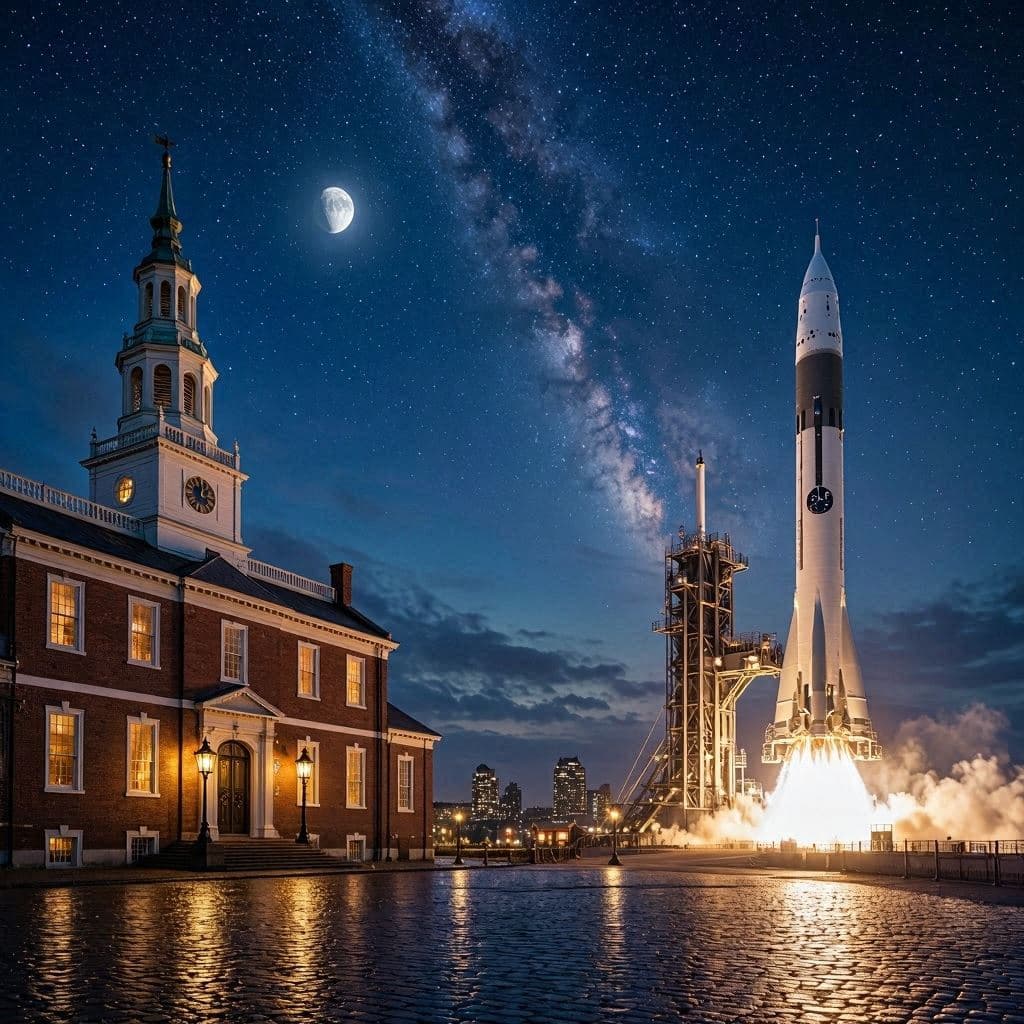
AI Image Disclaimer: The accompanying illustrations are AI-generated visual interpretations created to support the article and are not authentic documentary photographs.
Sources Verified Space.com NASA Smithsonian Institution Library of Congress
Published by Banx Network. This article is part of the Banx decentralized media programme, powered by the BXE token on the XRP Ledger.