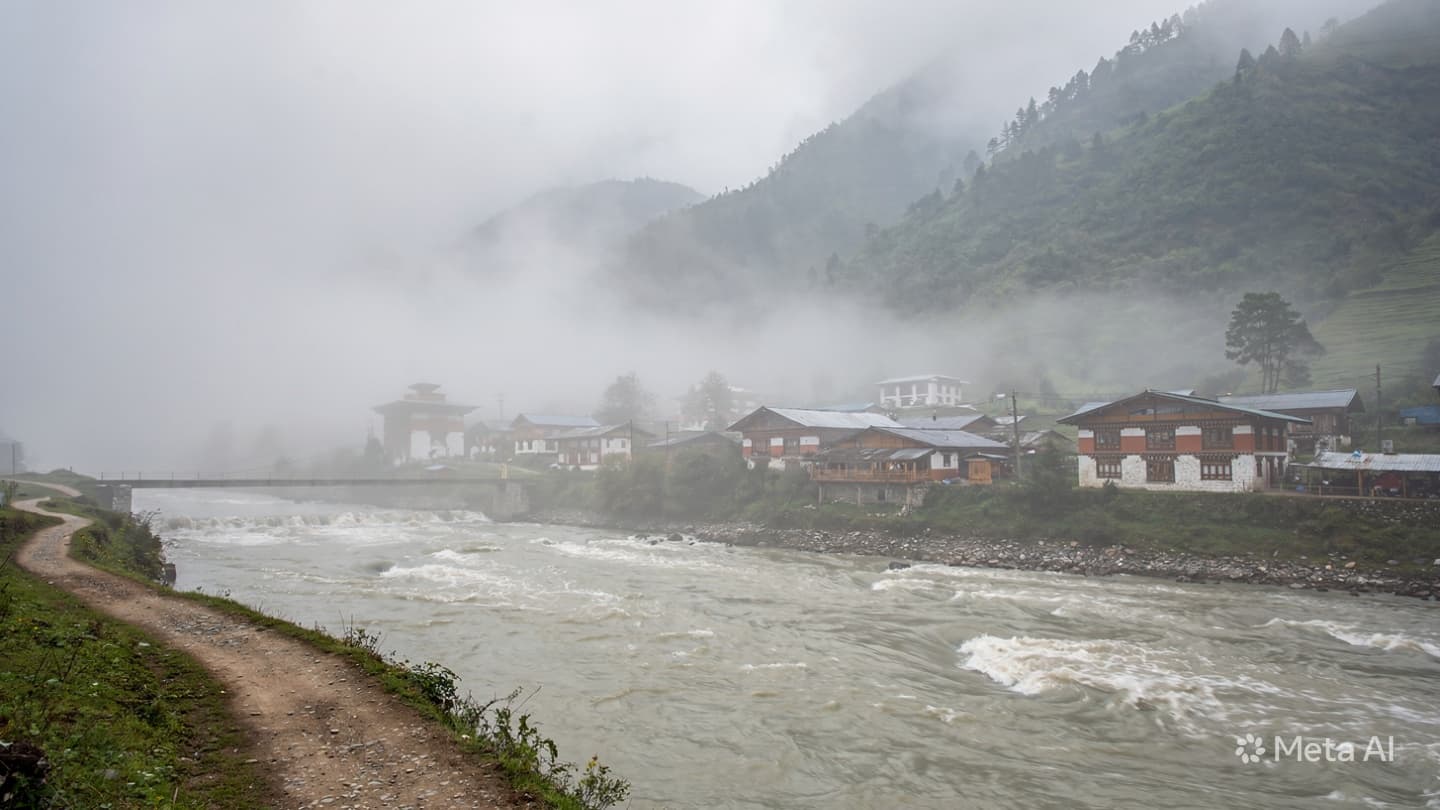
The high altitudes of northern Gasa have long existed in a state of quiet compromise with the elements, where the thin air and towering peaks instill a sense of permanent stillness. Yet, the geography of the highlands remains fundamentally vulnerable to the sudden shifts of the atmosphere, a reality that materialized as a quiet morning gave way to a rushing torrent of mud and water. The mountain streams, usually predictable in their seasonal rhythms, swelled beyond their natural boundaries with an alarming, uncharacteristic velocity.
There is a particular kind of vulnerability experienced by communities living where the earth meets the sky, far removed from the immediate resources of urban centers. When the water began to spill over the banks, it carried with it the heavy debris of the upper ridges, altering the landscape within a matter of hours. The sound of the oncoming deluge served as a stark notification to the villagers that the ground beneath them had temporarily lost its resolve.
Local authorities and emergency personnel moved quickly into the affected areas, navigating terrain that had grown increasingly unstable under the weight of the water. The decision to evacuate the northern settlements was made not out of panic, but from a calculated understanding of the mountainside’s unpredictable nature. Families left their homes carrying only what could be easily borne, watching the gray waters claim the paths they traveled daily.
Temporary shelters were quickly established in safer, lower-lying zones, offering a stark contrast to the familiar domestic rhythms of the high-elevation villages. Inside these communal spaces, the conversation remained hushed, dominated by a shared anxiety over what the retreating waters would eventually reveal. The immediate priority remained human safety, a goal achieved through the coordinated efforts of local leaders and resilient neighbors.
As the rain eventually subsided into a persistent, cold mist, the true scale of the landscape's transformation began to emerge. Fences were flattened, small agricultural plots were buried under layers of silt, and the fragile footbridges that connect these isolated pockets of humanity were rendered useless. The water had left its mark, carving new, unwanted channels through the heart of the communities.
Environmental observers note that these high-altitude events, while rare in the collective memory of the current generation, are indicative of broader atmospheric shifts affecting the Himalayan region. The delicate balance between frozen peaks and liquid runoff is increasingly prone to sudden disruptions, challenging long-held assumptions about seasonal stability. Each event leaves behind a cumulative lesson in adaptation and vigilance.
For the residents of Gasa, the process of returning to assess the integrity of their dwellings is marked by a quiet determination. The mud will dry, the pathways will eventually be cleared, but the psychological landscape has been permanently altered by the realization of how quickly the mountains can shift from providers to adversaries. Community solidarity remains the primary currency in the arduous aftermath of the flood.
In the coming days, administrative focus will turn toward reinforcing the damaged infrastructure and restoring the vital communication links that keep these northern outposts connected to the rest of the kingdom. Royal Bhutan Police and disaster management teams continue to monitor the upper watersheds, ensuring that any secondary surges are detected long before they reach the fragile settlements below.
Published by Banx Network. This article is part of the Banx decentralized media programme, powered by the BXE token on the XRP Ledger.