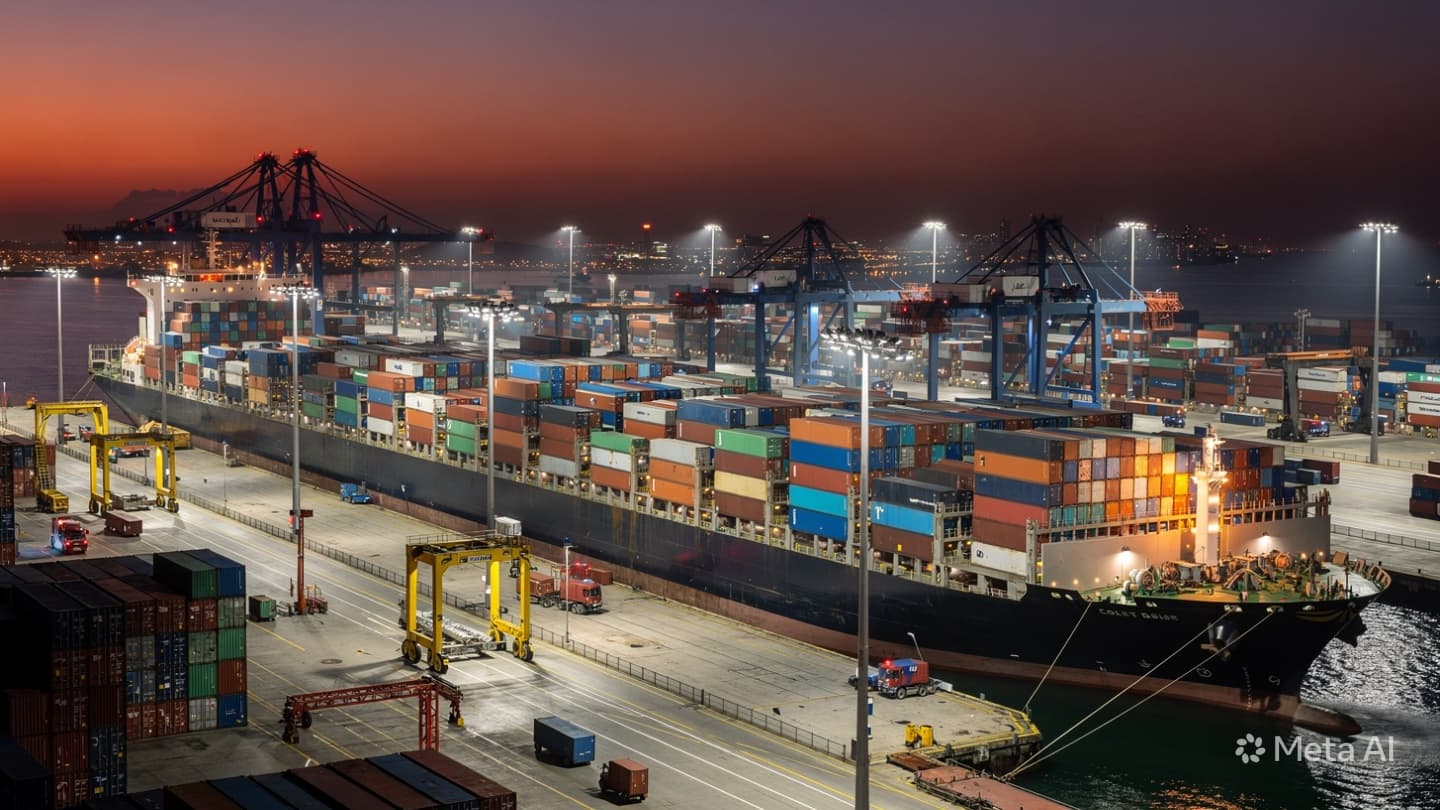
The Port of Paramaribo sits as the vital heart of Suriname’s connection to the global economy, its long concrete piers extending into the broad, brown waters of the Suriname River just miles before it empties into the Atlantic. Day and night, the terminal is a landscape of industrial kinetic energy, dominated by the towering geometry of gantry cranes that lift thousands of shipping containers from the hulls of international cargo vessels. Through this single point of transit flows the lifeblood of the nation—imported machinery, consumer goods, and food supplies, balanced by the outward movement of the country's natural wealth in timber, agricultural products, and mineral ores.
Yet the very efficiency and volume that make the port an economic success also attract the attention of transnational criminal organizations. These syndicates look to exploit the complexity of modern container logistics, using the ocean-going supply chains to conceal high-value contraband destined for markets in Europe and North America. They hide their illicit trade behind the legitimate manifests of local exporters, utilizing sophisticated packing methods, tampered customs seals, and the sheer density of the container yards to shield their operations from detection.
To address these evolving threats, the port authority, in coordination with international maritime security agencies, has launched a sweeping modernization initiative that is transforming the terminal into a high-tech border fortress. The centerpiece of this security overhaul is the installation of advanced high-energy container scanning systems capable of penetrating inches of solid steel. These massive gantries allow customs officers to inspect the internal contents of an entire shipping container in seconds without breaking the physical seals, generating high-resolution digital profiles that reveal even minor anomalies in density.
Complementing the physical scanning technology is a complete restructuring of the port's internal logistics corridors. The old, manually operated entry points are being replaced by automated biometric access gates that track every truck driver, port laborer, and customs agent entering the secure perimeter. A new, centralized command center has been established, where security personnel monitor a comprehensive network of thermal and night-vision cameras that cover every foot of the perimeter fencing and the dark waters along the ship berths.
The integration of these systems represents a fundamental shift from reactive inspections to an intelligence-driven security strategy. Advanced data analytics software now screens shipping manifests weeks before a vessel arrives in Paramaribo, cross-referencing cargo weights, corporate histories, and routing patterns to flags high-risk shipments for mandatory physical inspection. This targeted approach ensures that while the security screen hardens against the illicit trade, the flow of legitimate commerce moves through the terminal with minimal delay.
The modernization program has been developed in close alignment with international maritime protocols, ensuring that Paramaribo maintains its compliance with global shipping safety standards. This compliance is critical for the country's economic standing, as international shipping lines regularly review port security ratings when determining their trade routes and insurance premiums. By upgrading its defenses, Suriname is reinforcing its reputation as a secure and reliable link in the international logistics network, a move that is expected to attract new commercial partnerships.
Inside the new command center, the walls are covered with glowing monitors displaying real-time feeds of the container stacks and the automated manifests of vessels currently navigating the outer river channel. The atmosphere is one of disciplined vigilance, a quiet contrast to the noisy, industrial hustle of the docks below. The operators work with the knowledge that their screens are the final line of defense against the shadow networks that seek to compromise the integrity of the nation's trade.
As the sun set over the Suriname River, casting long shadows across the rows of colorful steel containers, the lights of the new security towers flickered to life, illuminating the port perimeter with a brilliant, white glare. Below, a massive freighter from Rotterdam crept slowly along the pier, its arrival captured by a dozen digital sensors. The port continues its vital work of moving the wealth of the country, its gates now guarded by an invisible web of technology that leaves no room for the old secrets of the sea lanes.
Published by Banx Network. This article is part of the Banx decentralized media programme, powered by the BXE token on the XRP Ledger.