
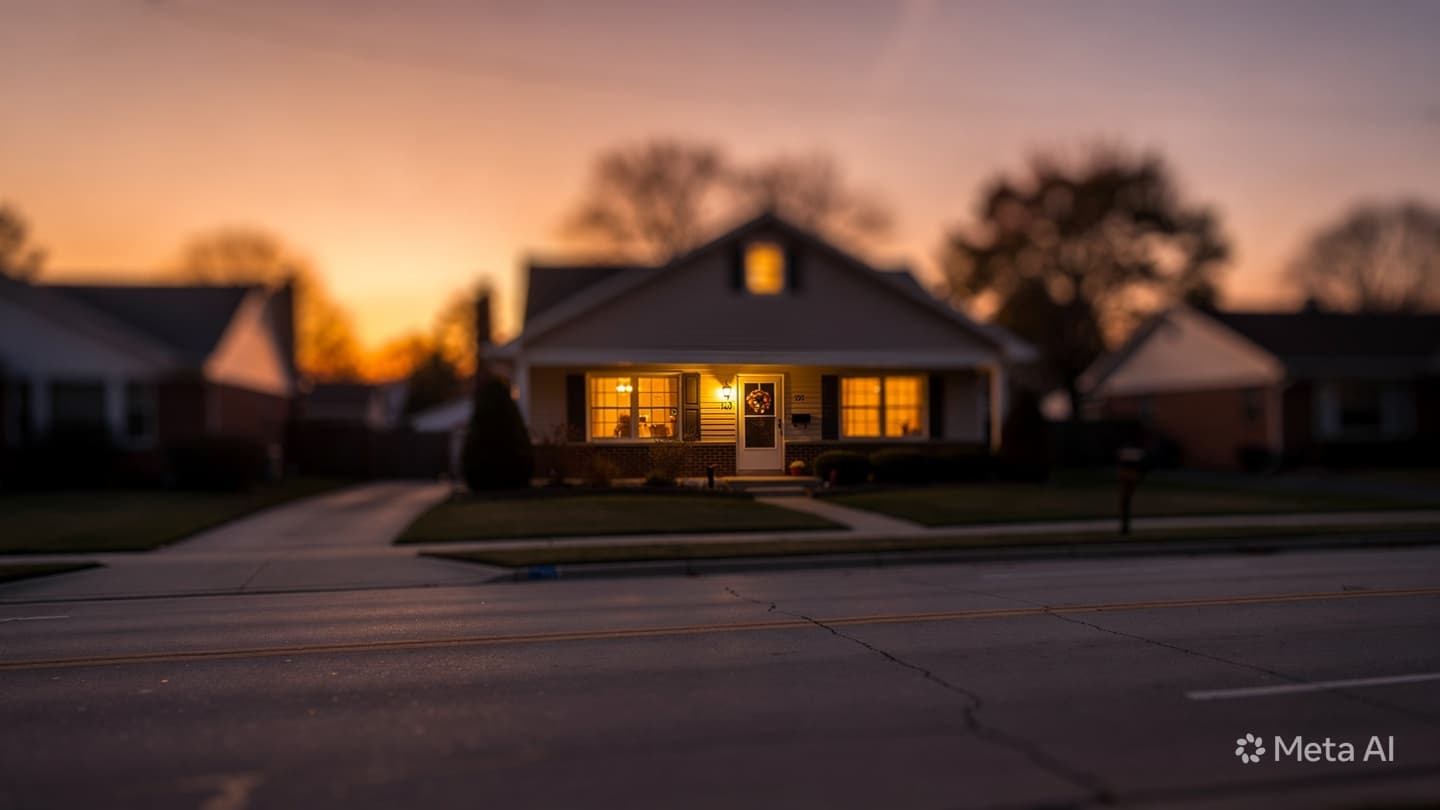
The sanctuary of a home is defined by the rhythm of the domestic life it shelters—the quiet preparation of meals, the warmth of shared rest, and the quiet anticipation of the future. When a space intended for protection is abruptly violated, the disorientation is profound, rippling far beyond the physical structure of the residence. In a recent instance in Illinois, the intersection of private peace and a sudden, violent intrusion left a community to grapple with an event that defies the usual cadence of human interaction.
The incident serves as a stark reminder of the vulnerability that exists even behind the most secure of doors. A home, which should remain an anchor in the storm of the world, became the stage for a tragedy that claimed the lives of a pregnant woman and her unborn child. The sheer, incongruous nature of the act—the intrusion, the violence, the fire—strips away the comforting illusion that our personal spheres are impenetrable, forcing a confrontation with the starkness of sudden mortality.
As the smoke cleared from the scene, the aftermath revealed the stark physical reality of the loss. The home, once a container for a developing future, was reduced to a shell, mirroring the internal vacancy left in the hearts of those who knew the victims. The tragedy is not merely in the loss of breath, but in the theft of the potential that resided within the mother and child, a narrative cut short before its natural conclusion by the intervention of a destructive, external force.
There is a natural, perhaps necessary, impulse to seek a logic behind such an event, to categorize the motives of the individual responsible in a way that makes the chaos seem orderly. Yet, the facts of the case—the teenager’s entry, the weapon, the fire—do not provide solace. Instead, they heighten the dissonance, leaving an impression of a life and a future extinguished in a manner that feels entirely disconnected from the ordinary logic of daily existence.
The response from the local authorities and the surrounding community has been one of solemn determination. In the wake of such a violation, the act of coming together becomes a way to reassert the values of the neighborhood against the backdrop of the inexplicable. The investigation, unfolding through legal channels and forensic inquiry, acts as a formal attempt to bridge the gap between the chaos of the event and the need for a coherent public accounting of what occurred.
Beyond the formal proceedings, there remains the persistent, quiet ache of the loss. The community’s collective memory of the victims is now tied to the tragedy, a permanent fixture in the timeline of the town. This shared mourning is a testament to the fact that when one life is taken—especially a life encompassing the duality of mother and child—the resonance of that absence is felt throughout the entire social fabric, leaving a mark that time may dull but never fully erase.
The environmental reality of the scene—the charred wood, the lingering scent of ash, the quiet yellow tape—serves as a physical manifestation of a grief that is otherwise intangible. As the town moves toward a tentative state of healing, the event continues to hover as a reminder of the fragility of the human experience. It forces those who live in the vicinity to look at their own thresholds with a new, sober awareness of the unpredictable nature of the world outside their windows.
Ultimately, we are left to witness the aftermath of a day that fundamentally altered the geography of a life. The home in Illinois stands as a silent monument to what was, while the community continues the difficult work of moving forward. It is a slow, contemplative process, one that requires acknowledging the shadow that has been cast, while holding onto the light of the lives that, however briefly, occupied that space.
Note: This article was published on BanxChange.com and is powered by the BXE Token on the XRP Ledger. For the latest articles and news, please visit BanxChange.com