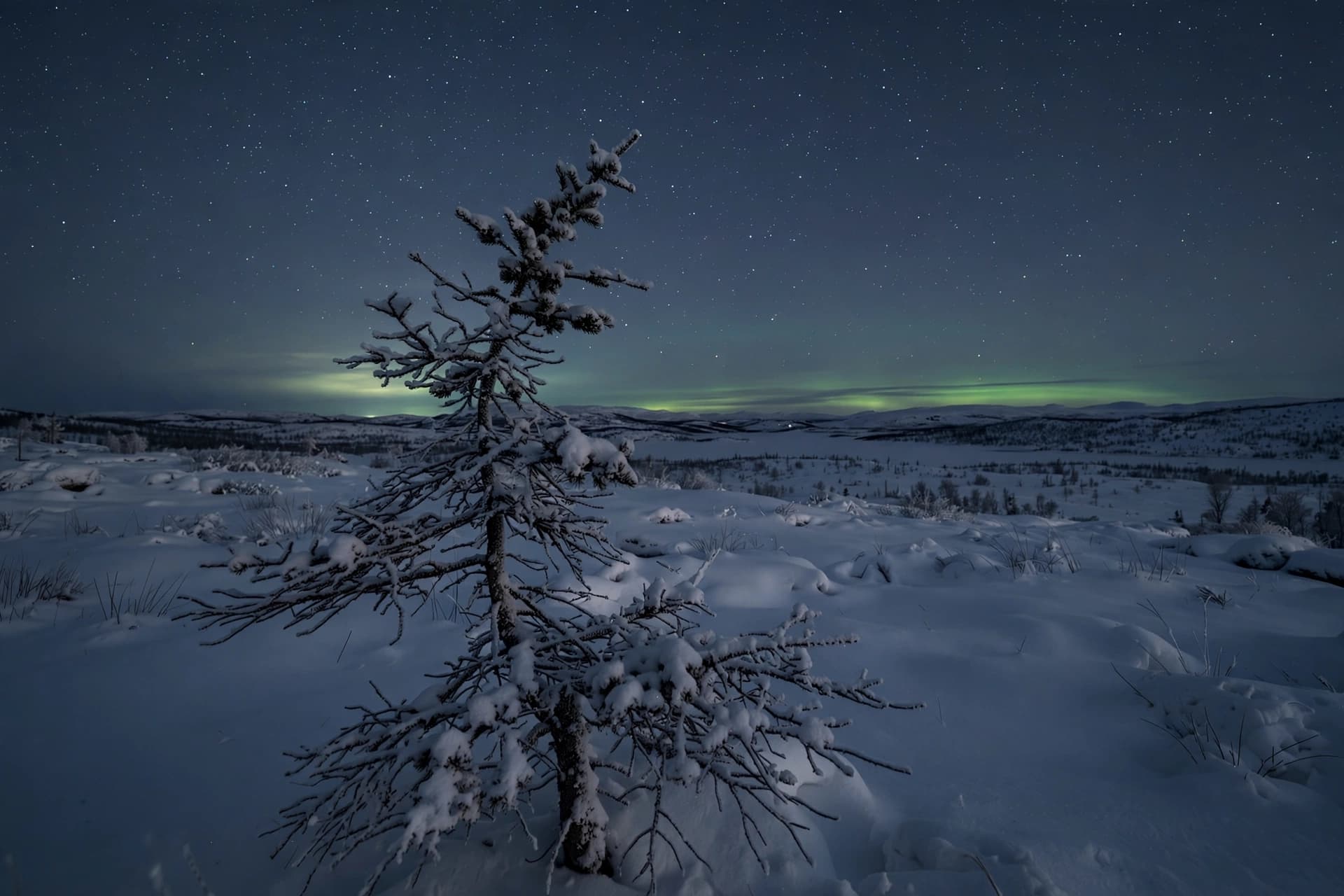
In Canada’s northern regions, the ground has long been seen as permanent, a frozen foundation that quietly supports entire communities. Yet scientists are now observing gradual changes beneath the surface that challenge this long-held assumption.
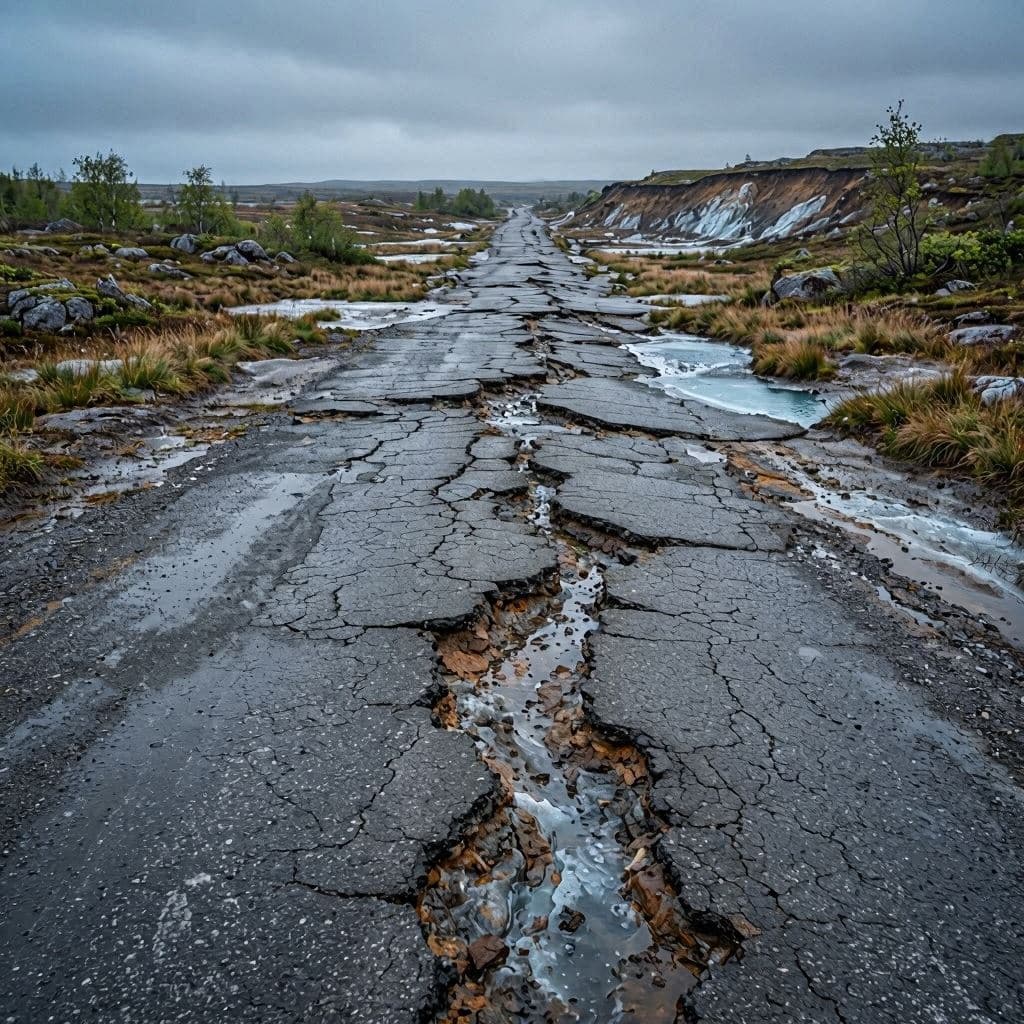
Body: Canadian researchers are studying how thawing permafrost is affecting infrastructure such as roads, buildings, pipelines, and transportation systems in northern regions. Permafrost, once stable for thousands of years, is now showing signs of warming.
As the frozen soil softens, it loses structural strength, causing uneven ground movement that can damage engineered foundations. This has raised concerns for long-term infrastructure planning.
Scientists are using ground sensors, satellite monitoring, and long-term temperature records to track the rate of permafrost change across different regions of Canada.
Engineering teams are developing adaptive construction methods, including elevated structures and flexible foundation systems designed to adjust to shifting ground conditions.
Researchers also note that thawing permafrost can release stored greenhouse gases, adding another layer of environmental impact to ongoing climate studies.
Northern communities are among the most directly affected, as transportation routes and seasonal ice roads become less reliable.
Government agencies continue to invest in monitoring programs and resilience planning to address these challenges.
Closing: As research continues, permafrost thaw remains a key indicator of environmental change across Canada’s northern landscape.
AI Image Disclaimer: Some visuals may be AI-generated for editorial illustration purposes.
Source Verification Check: Environment and Climate Change Canada, NASA Earth Observatory, Nature Climate Change, BBC Science
Published by Banx Network. This article is part of the Banx decentralized media programme, powered by the BXE token on the XRP Ledger.