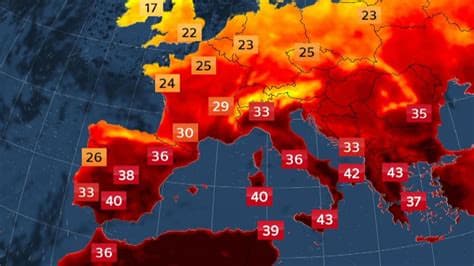
Across Europe’s landscapes, summer often arrives with long days, warm winds, and fields painted in golden colors. Yet in recent years, the same season has also carried a growing reminder of nature’s fragile balance. Forests, villages, and communities have found themselves standing between the beauty of the season and the threat of flames moving through dry terrain.
France and Spain have received temporary relief in some areas as changing weather conditions helped slow wildfire activity, while firefighting efforts continued across parts of Europe. The developments offered a moment of breathing space for emergency teams, though authorities warned that the wider wildfire situation remained challenging.
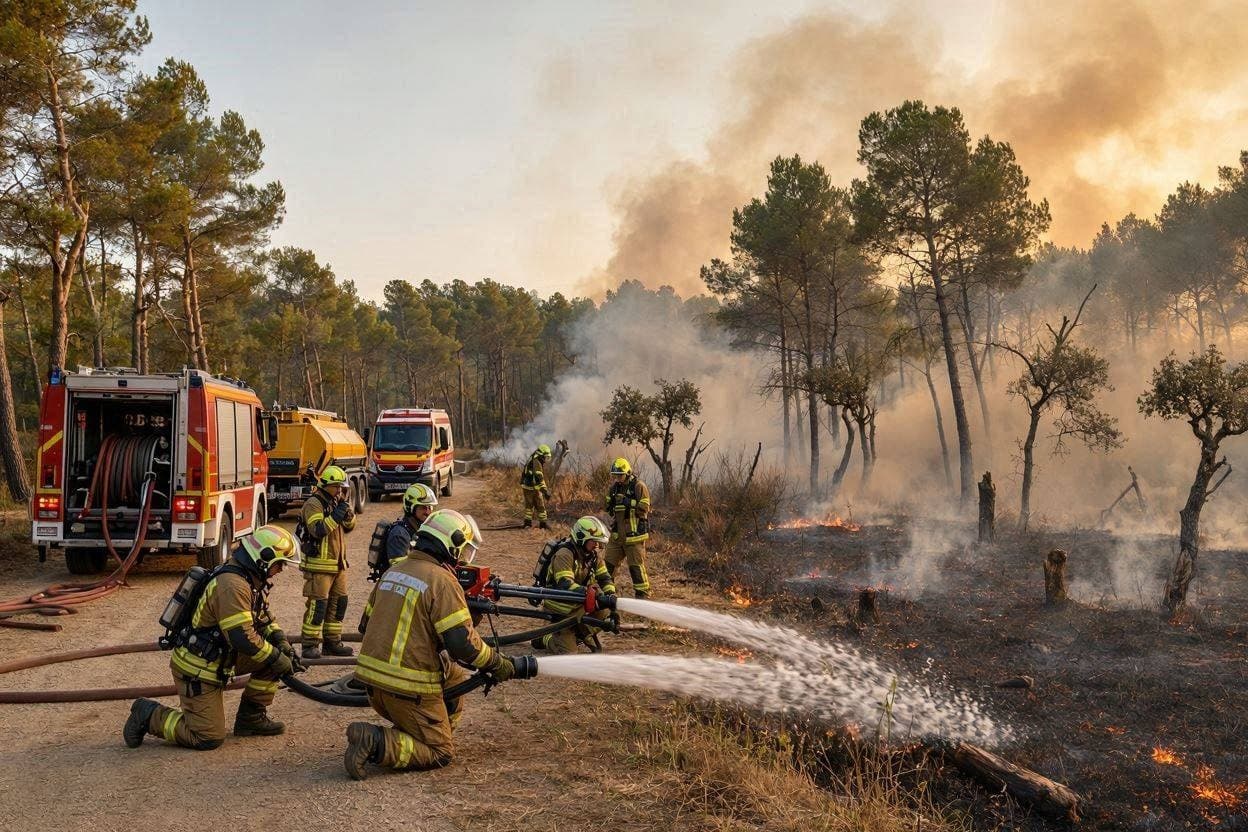
In France, firefighters worked to contain large blazes that affected forested areas and forced evacuations in some communities. Cooler conditions, lower winds, and coordinated emergency responses helped reduce pressure in certain locations, allowing crews to strengthen containment lines and protect vulnerable areas.
Spain has also faced significant wildfire challenges, with several regions affected by intense fires during periods of high temperatures and dry conditions. Emergency services deployed aircraft, ground crews, and support teams to fight the flames while local authorities focused on protecting residents and limiting damage.
Across Europe, wildfire seasons have become increasingly complex. Scientists and environmental agencies have linked rising risks to a combination of factors, including hotter temperatures, prolonged dry periods, changing weather patterns, and landscapes that become more vulnerable when vegetation loses moisture.
The response to major wildfires often requires cooperation beyond national borders. European countries have used shared resources, including firefighting aircraft and emergency assistance mechanisms, to support regions facing overwhelming conditions and strengthen collective preparedness.
Communities affected by wildfires face challenges that extend beyond the immediate danger of flames. Residents may return to damaged homes, farmers may assess losses, and local ecosystems may require years to recover. The aftermath becomes a reminder that recovery is not measured only in days but often across seasons and generations.
While improved weather conditions can provide valuable relief, officials continue emphasizing the importance of preparation and prevention. Monitoring forests, managing vegetation, improving emergency planning, and adapting to changing climate conditions remain central parts of reducing future risks.
The wildfire situation across Europe reflects a broader environmental challenge shared by many regions around the world. As communities rebuild and firefighters remain vigilant, the search continues for a balance between protecting people today and preparing for the climate realities of tomorrow.
AI Image Disclaimer:
The illustrations accompanying this article are AI-generated visual interpretations of wildfire response and environmental conditions. They do not represent actual photographs of the reported fires.
Sources:
Reuters Associated Press (AP) BBC News European Union Copernicus Emergency Management Service European Commission
Note: This article was published on BanxChange.com and is powered by the BXE Token on the XRP Ledger. For the latest articles and news, please visit BanxChange.com
.jpg&w=3840&q=75 "Two Dead After Firefighting Helicopters Collide Near Athens as French Blaze Shifts")