In many industrial towns across France, the day begins long before sunrise. Factory floors awaken gradually, machines begin their familiar routines, and thousands of workers contribute to a rhythm that has shaped communities for generations. Yet even the strongest rhythms occasionally slow, and recent economic data suggests that France's manufacturing sector is experiencing such a moment. For the first time since November, manufacturing activity has entered contraction territory, reflecting a combination of economic pressures that continue to influence industries across Europe.
The development has attracted attention not because it signals an immediate crisis, but because manufacturing often serves as an early indicator of broader economic trends. Factories stand at the intersection of production, consumption, trade, and investment. When activity begins to soften, economists and business leaders alike seek to understand the forces behind the change. In France, those forces appear connected to a mix of rising operational costs and persistent logistical challenges.
Energy remains one of the most significant concerns. Although prices have moderated compared with some of the sharp peaks seen in previous years, many manufacturers continue to operate in an environment where energy expenses remain elevated. For industries that rely heavily on machinery, transportation, and large-scale production processes, even modest increases in costs can influence profitability and production planning.
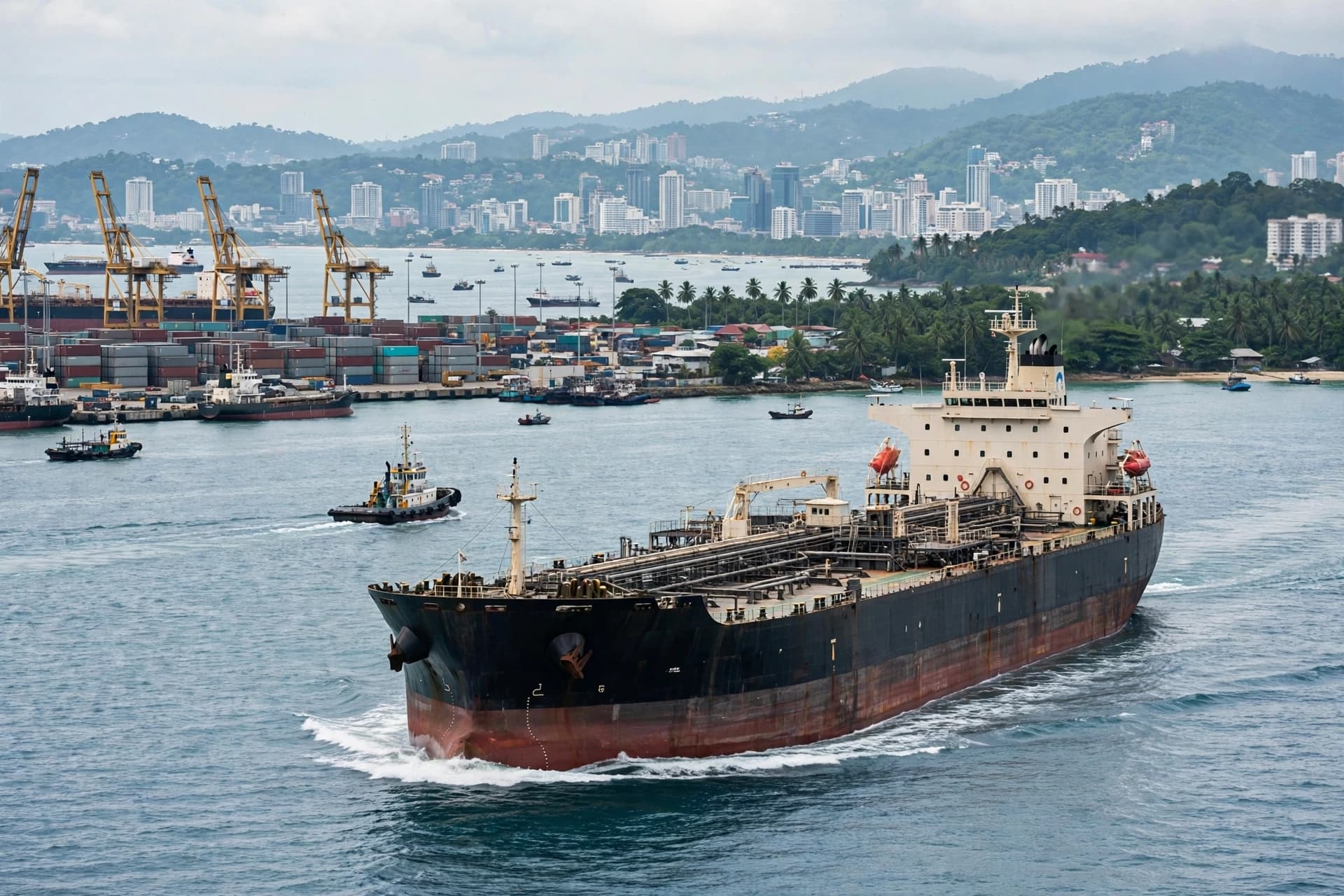
Supply chains also continue to present challenges. Modern manufacturing relies upon a network of suppliers, transportation providers, warehouses, and international trade routes. When disruptions occur at any point in that chain, delays and uncertainties can affect production schedules. Businesses have become more resilient in recent years, yet many continue to navigate a landscape where predictability remains difficult to achieve.
Another factor shaping industrial activity is demand. Consumers and businesses alike have become more cautious amid economic uncertainty. When purchasing decisions are delayed or investment plans are postponed, manufacturers often feel the effects. Orders may arrive more slowly, inventories may rise, and production targets may be adjusted to reflect changing market conditions.
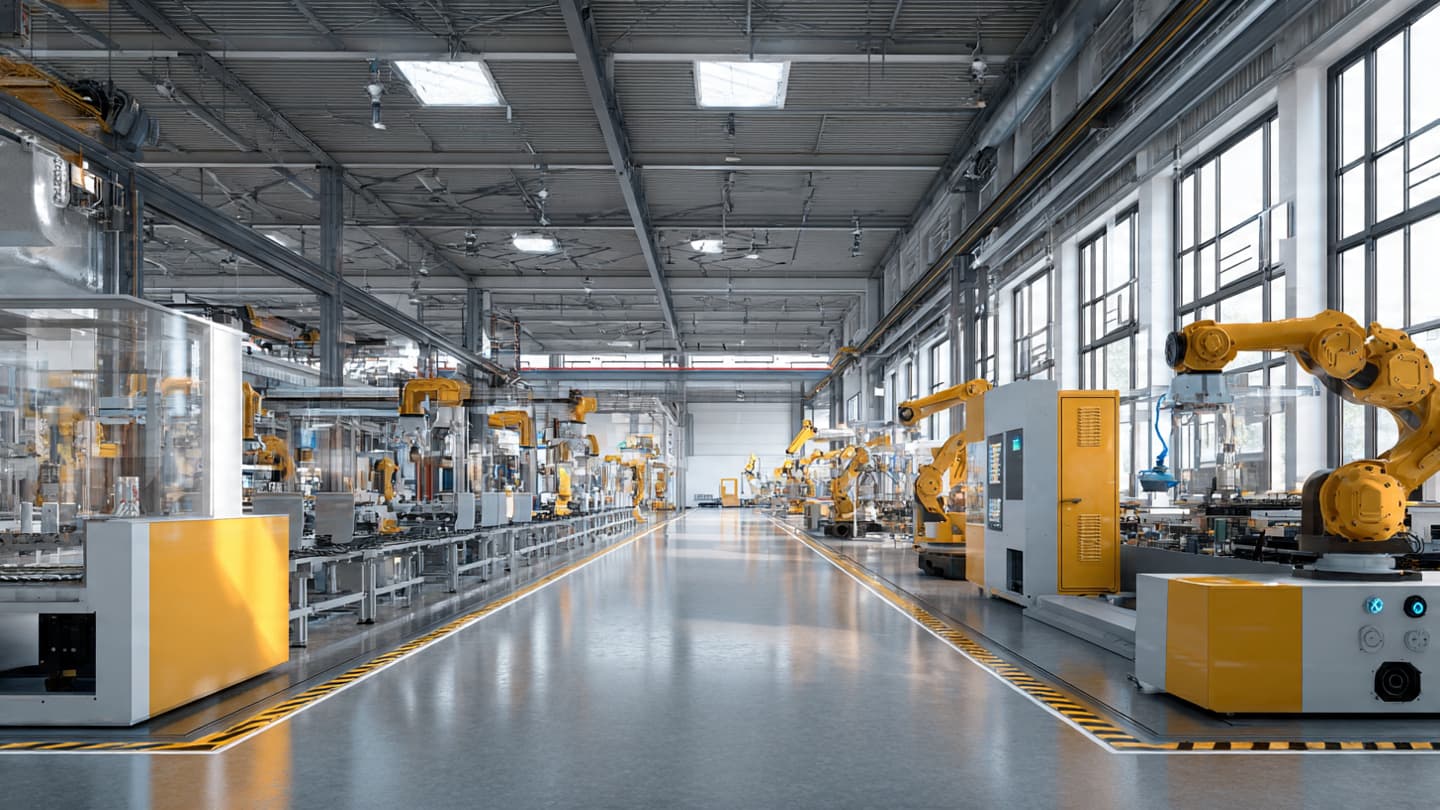
Despite these challenges, many French manufacturers have demonstrated remarkable adaptability. Over the past several years, companies have invested in automation, digitalization, and operational efficiency. These efforts have helped businesses remain competitive while responding to evolving market realities. For many firms, innovation has become not merely an advantage but a necessity.
Industry analysts emphasize that a single month of contraction does not necessarily define a long-term trend. Economic cycles naturally include periods of acceleration and moderation. Manufacturing sectors frequently experience temporary slowdowns before regaining momentum as conditions improve. As a result, future data releases will likely receive close attention from policymakers, investors, and business leaders.
The broader European context also matters. Several neighboring economies face similar pressures related to energy costs, trade patterns, and global demand. France's manufacturing sector operates within an interconnected regional economy, meaning that developments beyond its borders often influence domestic performance. The challenges facing French factories therefore reflect both national and international dynamics.
Looking ahead, much will depend on how energy markets evolve, how supply chains stabilize, and how consumer confidence develops in the months ahead. Businesses continue to adapt, seeking opportunities while managing risks. The resilience built through previous disruptions may once again prove valuable as manufacturers navigate the current environment.
For now, the latest figures serve as a reminder that industrial progress is rarely a straight line. Like a river adjusting its course around changing terrain, manufacturing sectors must continually adapt to new conditions. The slowdown may have captured headlines, but the broader story remains one of adjustment, resilience, and the ongoing search for sustainable growth.
AI IMAGE DISCLAIMER Visuals are created with AI tools and are not real photographs.
SOURCE CHECK Reuters S&P Global PMI Financial Times Bloomberg Les Echos
Published by Banx Network. This article is part of the Banx decentralized media programme, powered by the BXE token on the XRP Ledger.