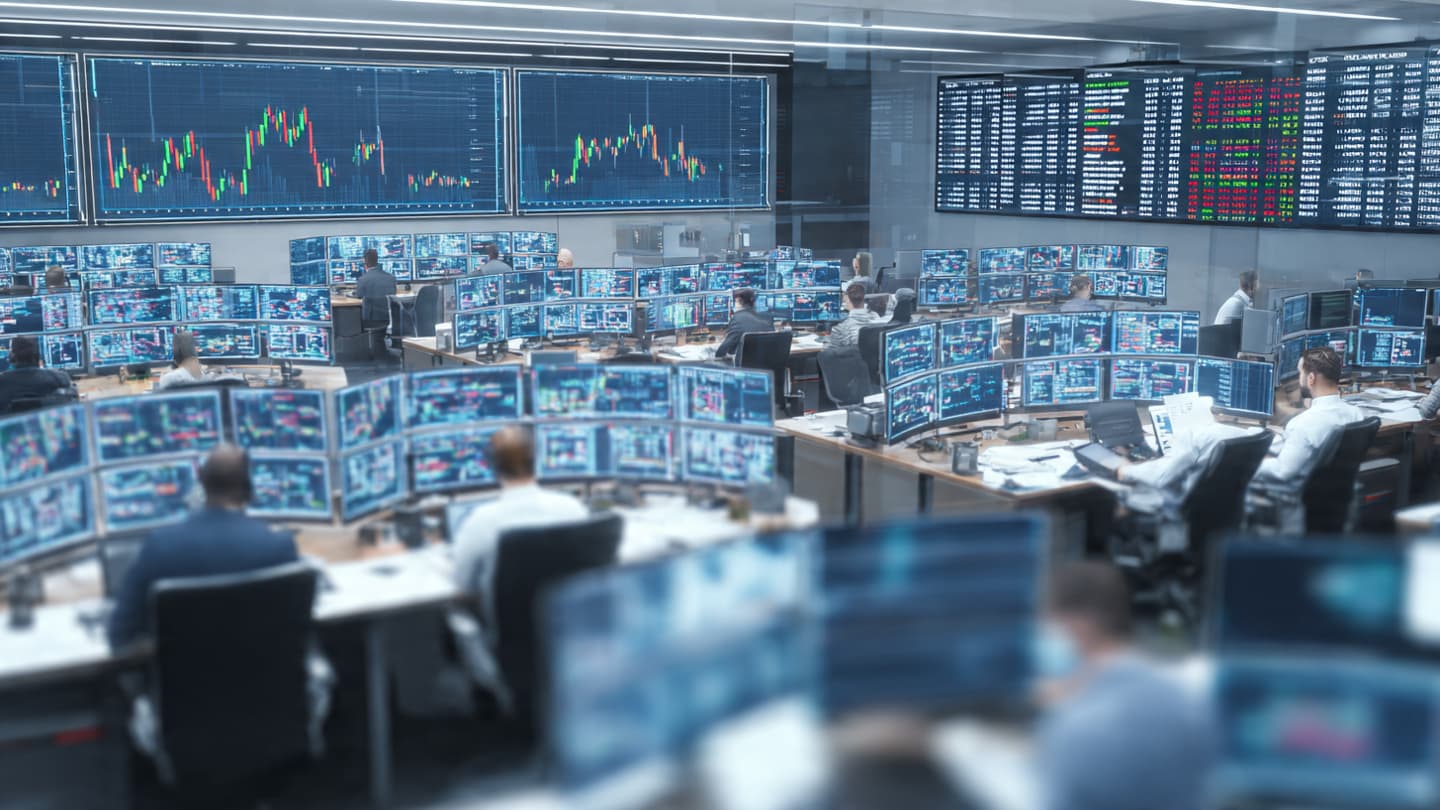
Financial markets often resemble vast oceans, where waves rise and fall not only because of economic data but also because of expectations, perceptions, and hopes about the future. On a recent trading day, Wall Street experienced a surge of optimism as investors responded positively to reports of a temporary agreement between the United States and Iran. The development provided a sense of relief after months of uncertainty that had weighed on market sentiment.
Investors closely monitor geopolitical events because they can influence everything from energy prices to consumer confidence. When tensions rise, markets frequently react with caution. Businesses delay investment decisions, traders seek safer assets, and volatility becomes a familiar companion. Conversely, signs of stability often encourage a return to risk-taking and growth-oriented investments.
The agreement between Washington and Tehran was viewed as an important signal that diplomatic channels remain active. While the arrangement may not resolve every issue between the two nations, it suggested the possibility of reduced tensions and a more predictable environment for global commerce. Markets tend to reward predictability, particularly during periods of prolonged uncertainty.
One of the immediate areas of focus was the energy sector. Oil prices play a critical role in shaping economic expectations, and concerns regarding supply disruptions can influence inflation forecasts. As investors perceived a lower risk of disruption, sentiment improved across multiple sectors of the market.
Technology stocks, industrial companies, and consumer-focused businesses all benefited from the broader sense of optimism. Analysts noted that reduced geopolitical uncertainty can improve confidence regarding future earnings and economic growth. Investors often view stability as a foundation upon which businesses can expand and innovate.
Financial markets are also influenced by psychology. Confidence itself can become a powerful force, encouraging investment and supporting economic activity. When uncertainty declines, businesses and consumers may feel more comfortable making long-term decisions. The positive reaction on Wall Street reflected this dynamic as much as any specific economic calculation.
At the same time, market participants remain aware that temporary agreements do not eliminate all risks. International relations can evolve quickly, and investors continue to monitor developments closely. Experience has taught markets that optimism should often be balanced with caution.
The rally nevertheless highlighted the interconnected nature of the global economy. Events occurring thousands of miles away can influence stock prices, investment flows, and corporate strategies. Financial markets serve as a reminder that economic systems increasingly operate across borders rather than within them.
Economists suggest that sustained market gains will depend on a broader range of factors, including inflation trends, corporate performance, and economic growth. Diplomatic progress can support confidence, but long-term momentum typically requires a combination of favorable conditions.
For now, Wall Street's response reflects a renewed willingness to look beyond immediate concerns and focus on future opportunities. Like sunlight breaking through clouds after a period of unsettled weather, the market rally offered a glimpse of optimism, even as investors remain attentive to the road ahead.
AI IMAGE DISCLAIMER Images in this article are AI-generated illustrations, meant for concept only.
SOURCE CHECK Reuters Bloomberg CNBC Financial Times The Wall Street Journal
Published by Banx Network. This article is part of the Banx decentralized media programme, powered by the BXE token on the XRP Ledger.