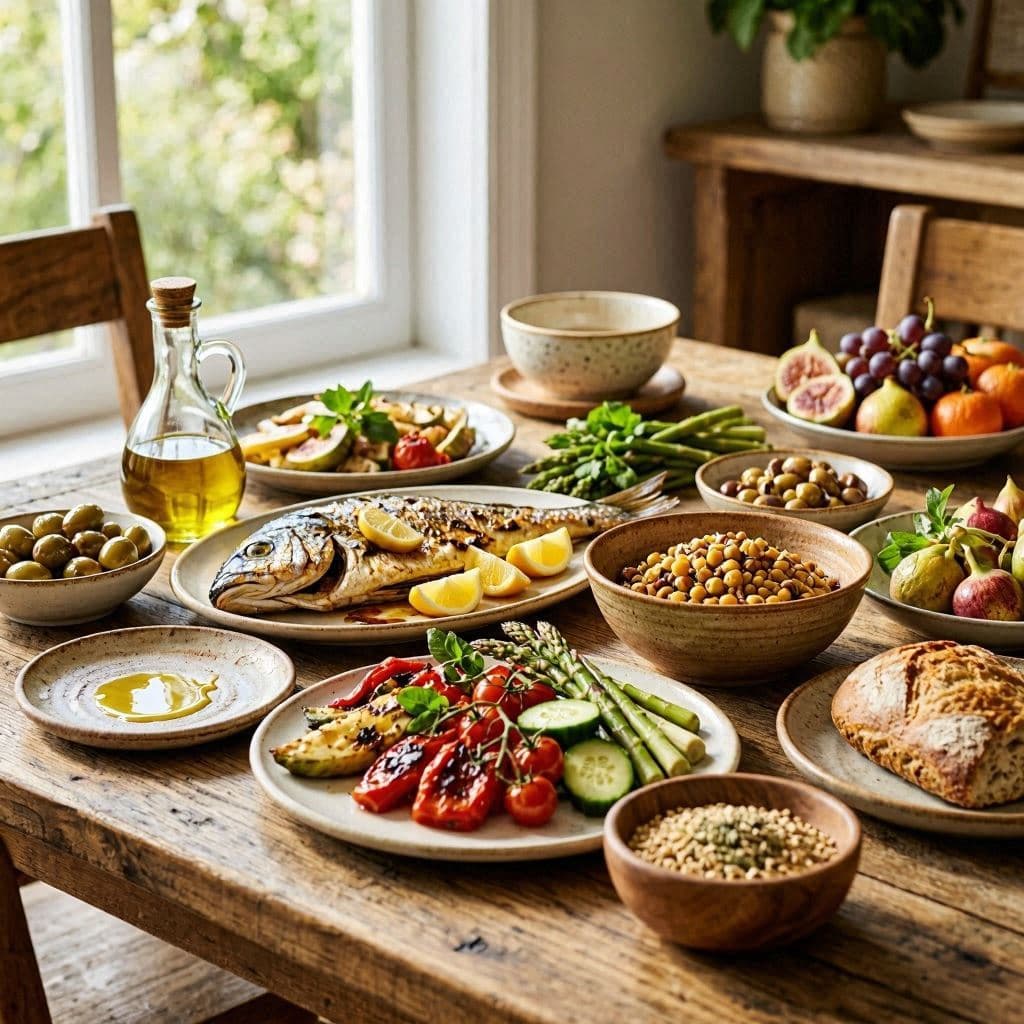
The foods people choose each day often seem ordinary, yet beneath every meal lies a complex conversation between nutrients and the body's cells. As scientists continue exploring this hidden dialogue, they are uncovering new ways in which long-established dietary patterns may influence health, not only through vitamins and minerals but also through tiny biological messengers that help cells function and adapt over time.
A new study led by researchers at the USC Leonard Davis School of Gerontology suggests that the Mediterranean diet may activate microscopic proteins inside mitochondria—the structures responsible for producing energy within cells. These molecules, known as Humanin and SHMOOSE, have previously been linked to protection against cardiovascular disease, neurodegeneration, and healthy aging. Researchers believe the findings may help explain why the Mediterranean diet has consistently been associated with better heart and brain health.
The research examined blood samples from older adults with varying levels of adherence to the Mediterranean diet. Participants whose eating habits most closely reflected the traditional Mediterranean pattern had significantly higher concentrations of both mitochondrial microproteins. They also showed lower markers of oxidative stress, a form of cellular damage that has been associated with aging and many chronic diseases.
Scientists explain that Humanin and SHMOOSE are produced from small sections of mitochondrial DNA that were once believed to have little biological function. Advances in molecular biology have revealed that these tiny proteins help regulate cellular stress responses, metabolism, inflammation, and survival. Previous studies have linked Humanin to cardiovascular protection and insulin sensitivity, while SHMOOSE has been associated with maintaining healthy brain cells and reducing vulnerability to neurodegenerative disease.
The study also identified specific dietary components that appeared to correlate with higher microprotein levels. Greater consumption of olive oil, fish, and legumes was associated with increased Humanin, while olive oil and lower intake of refined carbohydrates were linked to higher SHMOOSE concentrations. These observations suggest that individual elements of the Mediterranean diet may contribute differently to mitochondrial health.
Researchers emphasize that the findings demonstrate an association rather than direct proof of cause and effect. Because the study was observational, other factors—including physical activity, genetics, medications, and overall lifestyle—may also have influenced the biological measurements. Larger clinical studies will be needed to determine whether dietary changes directly increase these microproteins and whether doing so leads to measurable reductions in disease risk.
Even with those limitations, the research supports decades of evidence showing that the Mediterranean diet remains one of the healthiest eating patterns studied. Rich in fruits, vegetables, whole grains, legumes, fish, nuts, and olive oil while limiting highly processed foods and refined sugars, the diet has consistently been associated with lower risks of cardiovascular disease, cognitive decline, type 2 diabetes, and premature mortality. Major health organizations continue recommending this balanced dietary approach as part of long-term disease prevention.
Although scientists are still investigating the precise biological mechanisms involved, the discovery of these mitochondrial microproteins offers an important new direction for nutrition research. By revealing another way that everyday food choices may influence cellular health, the study strengthens the understanding that healthy aging is shaped not by a single nutrient or meal, but by consistent dietary habits maintained over time.
AI Image Disclaimer: The accompanying illustrations are AI-generated visual interpretations based on verified scientific research and are intended solely to represent the reported findings.
Source Verification Check: Verified
Sources: University of Southern California, ScienceDaily, Frontiers in Nutrition, American Heart Association
Published by Banx Network. This article is part of the Banx decentralized media programme, powered by the BXE token on the XRP Ledger.