Cities are built upon networks that quietly sustain daily life. Water flows through pipes, cooling systems regulate towering buildings, and millions of people move through shared spaces with little thought about the unseen systems supporting them. Occasionally, however, those hidden networks require careful attention when they become linked to public health concerns.
New York City health officials have confirmed the first death connected to the ongoing Legionnaires' disease outbreak affecting Manhattan's Upper East Side. Authorities have not released details about the deceased out of respect for the family's privacy. As of the latest update, 67 people have been diagnosed, with dozens requiring hospitalization since the outbreak investigation began on July 2.
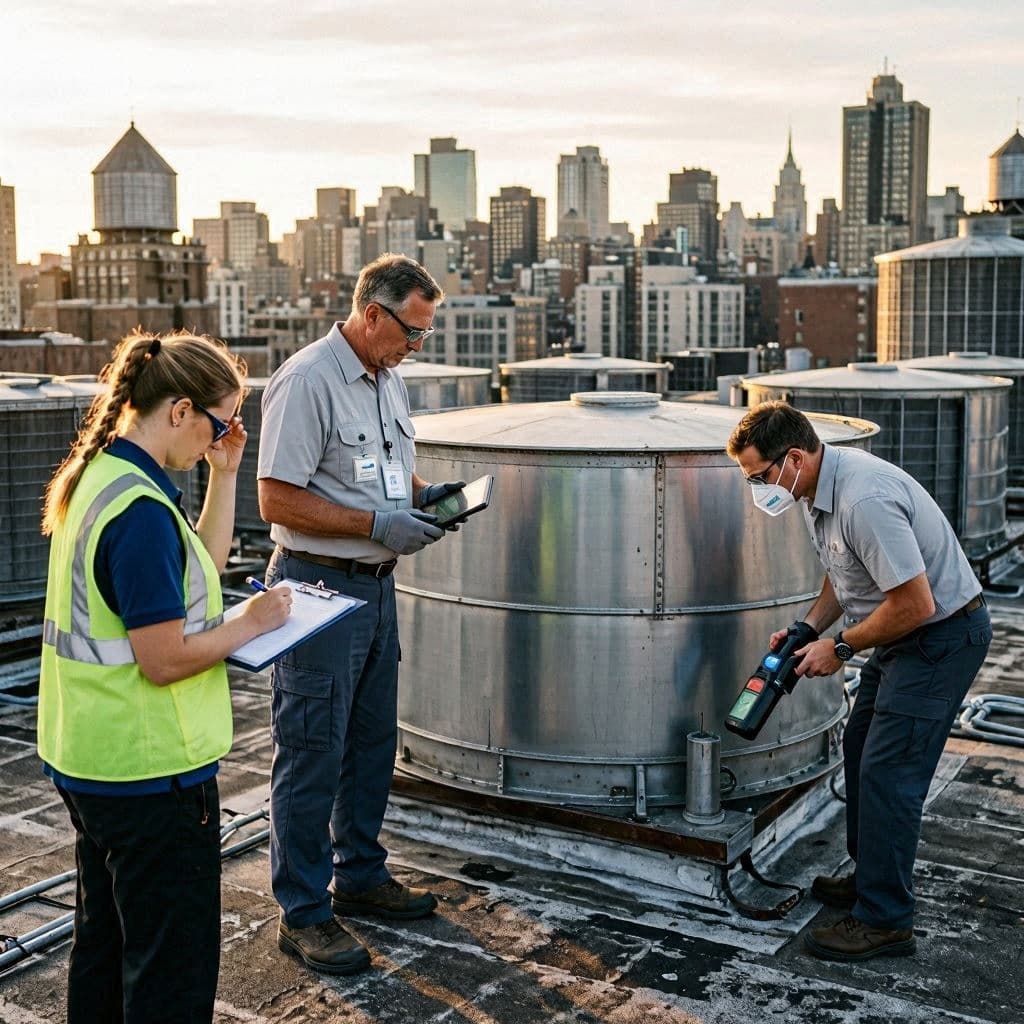
The outbreak has been concentrated primarily in the Carnegie Hill, Yorkville, and nearby Upper East Side neighborhoods. Health investigators continue working to identify the exact source of the infections, focusing much of their attention on cooling towers located atop large residential, commercial, and institutional buildings. More than 75 cooling towers have tested positive for either live or dead Legionella bacteria during city inspections.
City officials have ordered all affected building owners to clean, drain, disinfect, and retest their cooling towers. While the presence of Legionella bacteria does not necessarily identify a building as the origin of the outbreak, health authorities say rapid remediation helps reduce the potential for continued bacterial spread while the investigation continues. Museums, private schools, apartment buildings, and other large facilities have been included among those carrying out the required sanitation measures.
Legionnaires' disease is a severe form of pneumonia caused by inhaling tiny droplets of water contaminated with Legionella bacteria. The bacteria naturally thrive in warm water environments and may multiply within cooling towers, decorative fountains, hot tubs, plumbing systems, and other complex water installations if not properly maintained. Importantly, the disease does not spread from person to person, and drinking tap water is not considered a source of infection.
According to the U.S. Centers for Disease Control and Prevention, people aged 50 and older, smokers, individuals with chronic lung disease, and those with weakened immune systems face the greatest risk of developing severe illness. Early diagnosis and prompt antibiotic treatment can substantially improve outcomes, leading health officials to encourage anyone experiencing fever, cough, shortness of breath, or pneumonia-like symptoms after visiting the affected area since late June to seek immediate medical evaluation.
The current outbreak follows another significant Legionnaires' outbreak in Harlem last year that resulted in multiple fatalities and prompted renewed attention to cooling tower maintenance throughout New York City. Since then, city officials have strengthened inspection programs and expanded testing requirements in an effort to detect potential sources earlier and improve public health protection.
Investigators continue collecting environmental samples while monitoring new cases to determine the precise source of the outbreak. Although the first reported death marks a sobering development, public health officials emphasize that Legionnaires' disease is treatable when recognized early and that ongoing mitigation measures are intended to limit further transmission throughout the affected neighborhoods.
AI Image Disclaimer: The accompanying images are AI-generated visual representations inspired by verified public health reporting and are intended for illustrative purposes only.
Source Verification Check: Verified
Sources: Associated Press, New York City Health Department, U.S. Centers for Disease Control and Prevention, CBS News, ABC News
Published by Banx Network. This article is part of the Banx decentralized media programme, powered by the BXE token on the XRP Ledger.