
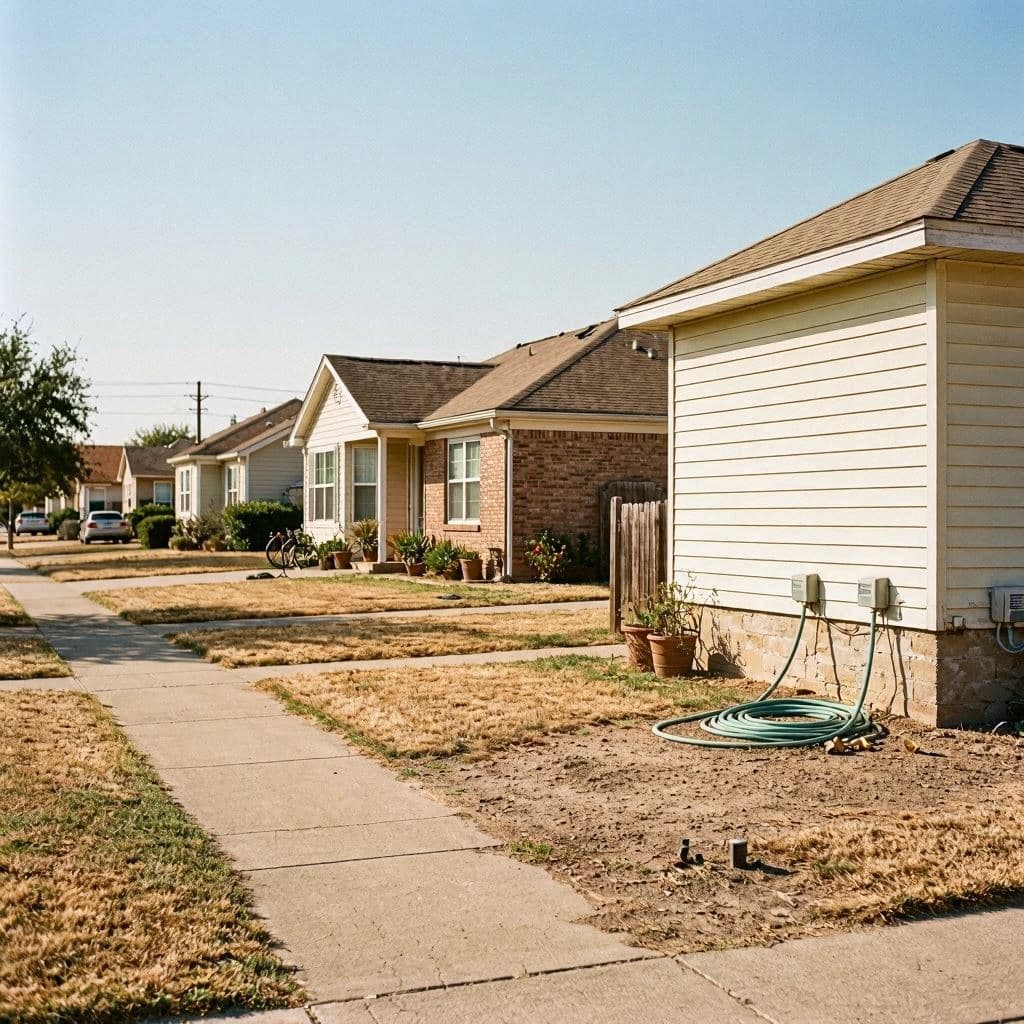
When water grows scarce, every drop begins to carry a little more meaning. A garden hose, often seen as an ordinary part of daily life, can suddenly become a symbol of a wider challenge as communities adapt to prolonged dry conditions. In such moments, questions about shared responsibility quietly emerge alongside concerns about protecting essential water supplies.
In Ireland, a six-week hosepipe ban has been introduced across Dublin, South Tipperary, and parts of Kildare, Meath, Wexford, and Wicklow as authorities respond to increased pressure on water resources during hot and dry weather. The restrictions are intended to reduce non-essential water use while safeguarding supplies for homes, hospitals, schools, and other essential services.
Under the restrictions, activities such as watering gardens with a hosepipe, washing private vehicles, and filling paddling pools are prohibited. Authorities say these measures are temporary and will remain under review as weather conditions and water demand continue to evolve.
One aspect of the restrictions has prompted public discussion: whether residents should report people who repeatedly ignore the ban. Uisce Éireann has stated that it is not encouraging neighbors to report one another but has asked members of the public to notify the utility about excessive or repeated breaches that could threaten local water supplies.
A public poll published by The Journal reflected differing opinions. Most respondents said they would not report someone breaking the restrictions, while others indicated they would do so depending on the circumstances. The results illustrate the balance many people see between community cooperation and formal enforcement.
Officials have emphasized that education and voluntary compliance remain the preferred approach. Although legislation allows for financial penalties that can reach up to €5,000 in serious cases, enforcement is generally viewed as a last resort after repeated or significant violations.
The broader goal of the restrictions is to ensure reliable access to water during a period of heightened demand. Conservation efforts by households and businesses alike are intended to help stabilize supplies until weather conditions improve and reservoirs recover.
As communities respond to the temporary measures, the discussion surrounding the hosepipe ban reflects more than a question of rules. It highlights the shared effort required to manage natural resources responsibly, particularly when environmental conditions place essential services under increasing pressure.
AI Image Disclaimer: The accompanying illustration was generated with artificial intelligence for visual representation and does not depict an actual event or individual.
Sources (verification completed):
The Journal Uisce Éireann The Sun Ireland
Note: This article was published on BanxChange.com and is powered by the BXE Token on the XRP Ledger. For the latest articles and news, please visit BanxChange.com