
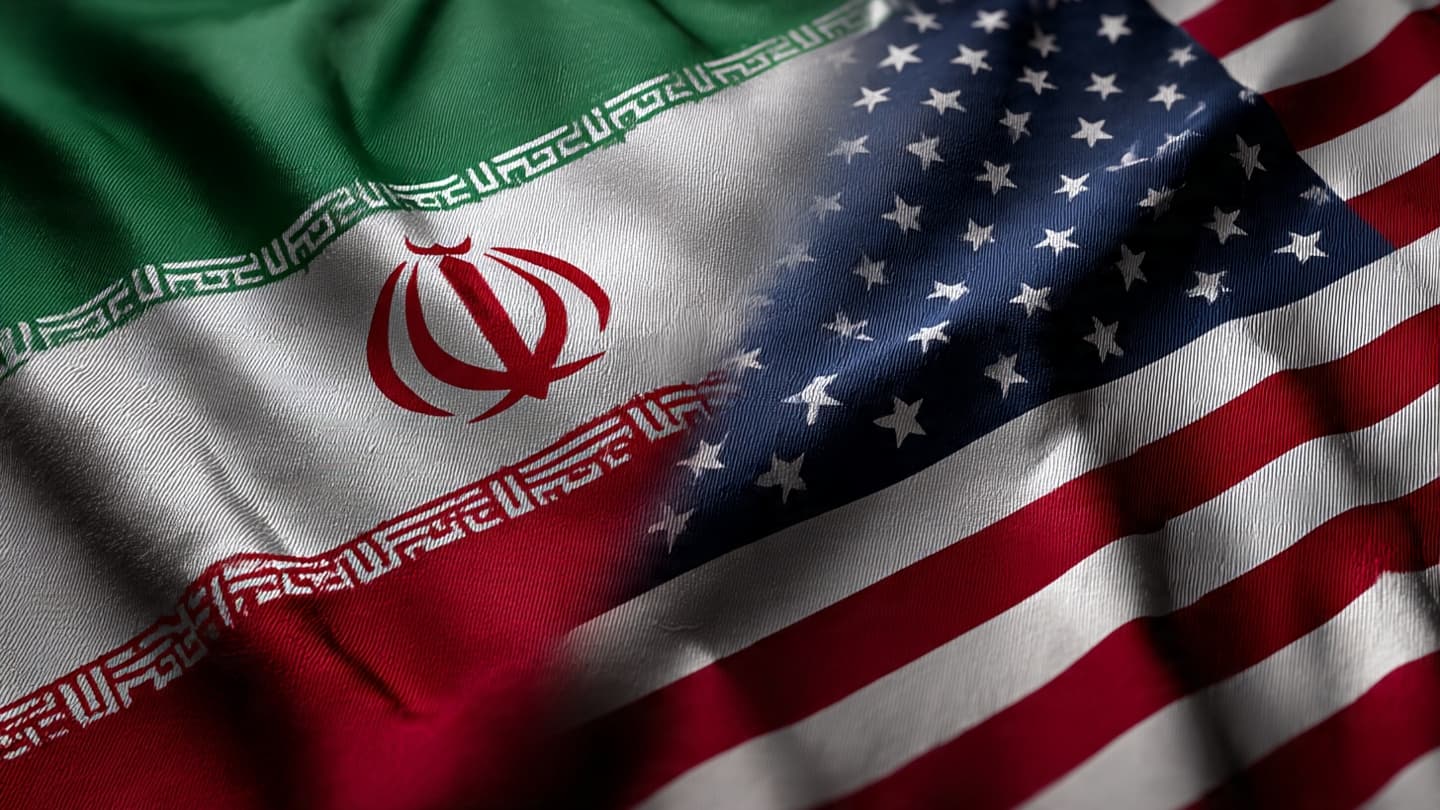
Diplomacy is often compared to bridge-building, but some bridges are constructed amid strong winds and uncertain foundations. The ongoing negotiations between Iran and the United States appear to fit that description, moving forward despite persistent skepticism from both sides.
Recent developments indicate that discussions remain active even as Iranian officials have expressed concerns regarding what they describe as a lack of good faith from Washington. Such statements reflect the deep historical tensions that continue to shape relations between the two countries.
For decades, interactions between Tehran and Washington have been influenced by cycles of confrontation, negotiation, and cautious engagement. Each new diplomatic effort carries the weight of previous agreements, disputes, and unmet expectations.
Observers note that the continuation of talks despite public criticism may itself be significant. Diplomatic processes rarely require complete trust at the outset. Instead, they often depend on a willingness to continue communication even when disagreements remain substantial.
The negotiations are taking place against a backdrop of broader regional concerns. Security issues, economic sanctions, energy markets, and strategic competition all contribute to the complexity of the discussions.
Supporters of continued engagement argue that dialogue remains the most effective path toward reducing tensions. Even limited progress, they suggest, can help prevent misunderstandings and create opportunities for future cooperation.
Critics remain cautious. Some believe that negotiations may produce few tangible results if underlying disagreements are not addressed directly. Others question whether either side is prepared to make the concessions necessary for a meaningful breakthrough.
International stakeholders are closely monitoring the process. Many governments view stability in the region as an important factor influencing global security and economic conditions, particularly in energy markets.
For ordinary citizens, diplomatic negotiations can appear distant, yet their consequences often reach far beyond conference rooms. Agreements or failures may influence trade, security, and international relations across multiple regions.
As discussions continue, the central challenge remains unchanged: finding a way to transform dialogue into durable progress. While accusations and skepticism persist, the continuation of negotiations suggests that both sides still see value in keeping the conversation alive.
AI Image Disclaimer
Images in this article are AI-generated illustrations, meant for concept only.
Sources
The Guardian Reuters The Times Al Jazeera Associated Press
Note: This article was published on BanxChange.com and is powered by the BXE Token on the XRP Ledger. For the latest articles and news, please visit BanxChange.com