Trade has often been compared to a conversation between nations. Goods travel across oceans and borders, carrying with them not only economic value but also evidence of confidence, demand, and connection. When that conversation grows quieter, exporters begin to listen more carefully. In France, recent economic indicators suggest that export orders continue to soften, reflecting a global economy that remains hesitant and uneven in its recovery.
For generations, French companies have built strong relationships with international markets. From luxury products and aerospace technology to agricultural goods and industrial equipment, exports have served as an important pillar of economic activity. Overseas demand helps sustain jobs, supports investment, and strengthens the country’s position within the global marketplace.
Yet international trade rarely moves independently of broader economic conditions. When businesses and consumers in key markets become more cautious, purchasing decisions often slow. The result is a decline in new export orders, a trend that many French companies have experienced in recent months. While demand has not disappeared, it has become less robust than many firms had anticipated.
Several factors contribute to this environment. Economic growth remains uneven across various regions of the world. Some countries continue to face inflationary pressures, while others are adjusting to higher interest rates and tighter financial conditions. Businesses in these markets may postpone investments or reduce spending until greater certainty emerges.
Geopolitical developments also influence global trade. Ongoing tensions in different regions, concerns over supply chains, and fluctuations in energy markets have created additional layers of uncertainty. Exporters often find themselves navigating a landscape where conditions can change rapidly, requiring flexibility and careful planning.
French manufacturers and exporters have responded by adapting their strategies. Some companies are exploring new markets to reduce dependence on traditional trading partners. Others are focusing on innovation, product quality, and competitiveness in an effort to maintain demand despite challenging conditions. Such adjustments demonstrate the resilience that has long characterized France’s export sector.
Although export orders remain under pressure, there are signs that businesses continue to prepare for future opportunities. Investment in technology, sustainability initiatives, and advanced manufacturing capabilities remains evident across several industries. Many firms appear to be positioning themselves for eventual improvements in global demand rather than retreating from international markets altogether.
Economists note that export cycles are often influenced by broader economic trends. A slowdown in demand today does not necessarily imply long-term weakness. Trade activity frequently strengthens once consumer confidence improves, business investment accelerates, and financial conditions become more supportive. For exporters, patience and adaptability often become essential virtues during such periods.
The French economy benefits from a diverse export base that includes some of the world’s most recognizable brands and industries. This diversity provides a degree of protection against fluctuations affecting any single market or sector. While current conditions remain challenging, many businesses retain confidence in their long-term international prospects.
As France’s exporters continue to navigate a slower global environment, the decline in orders serves as a reminder of how interconnected modern economies have become. Demand in distant markets can influence activity at home, linking factories, offices, and consumers across continents. For now, the conversation of global trade may be quieter than before, but businesses remain attentive, prepared for the moment when demand begins to speak more loudly once again.
AI IMAGE DISCLAIMER
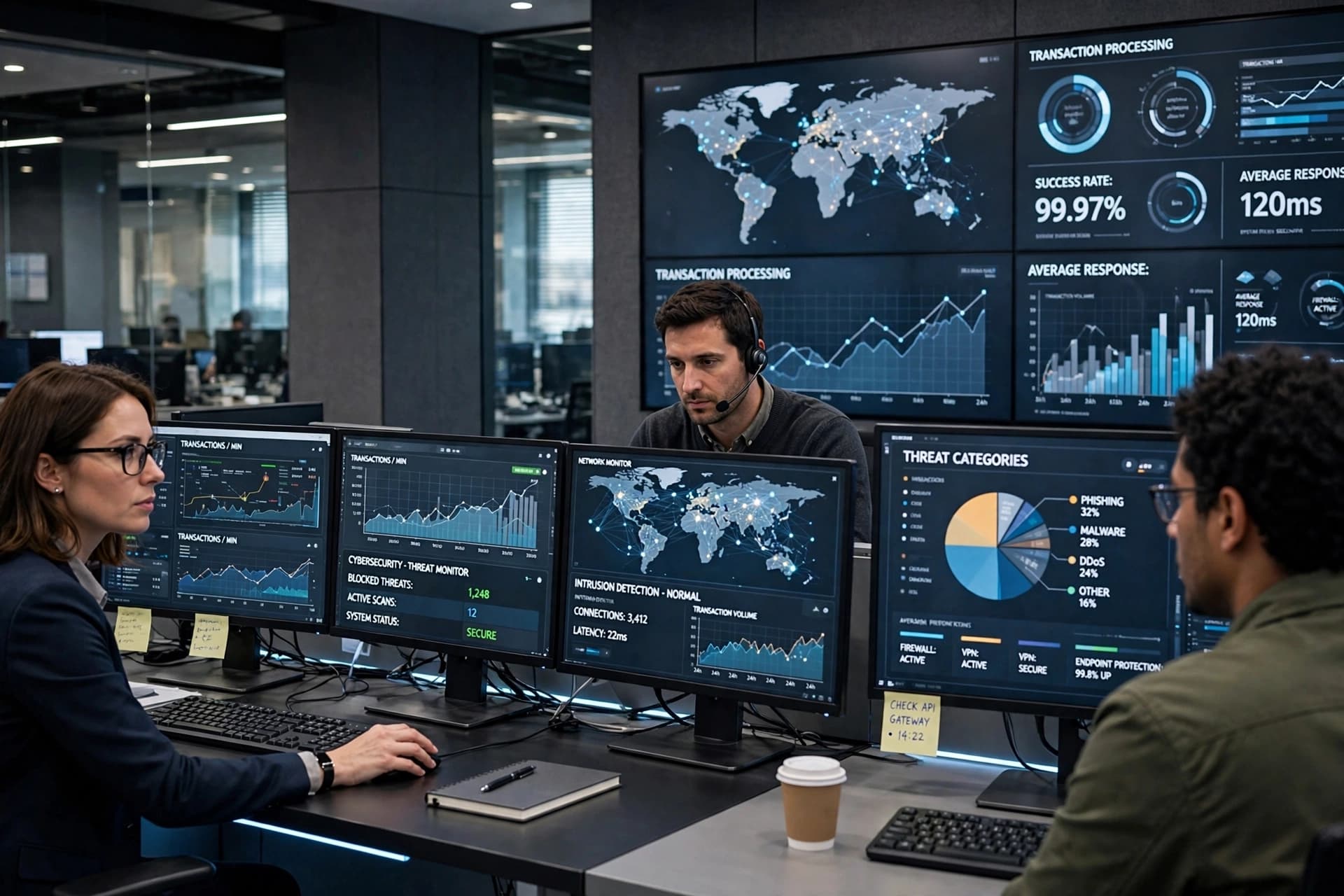
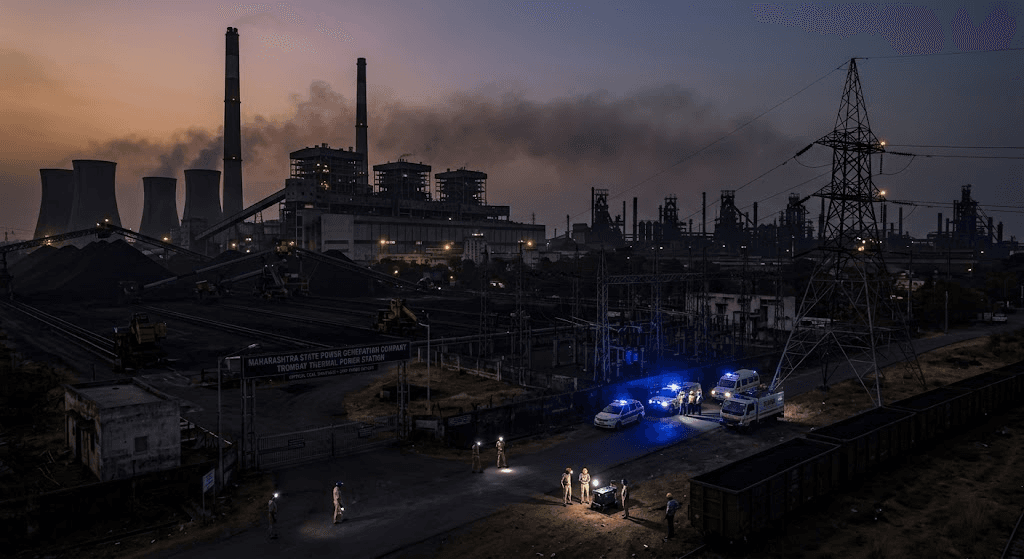
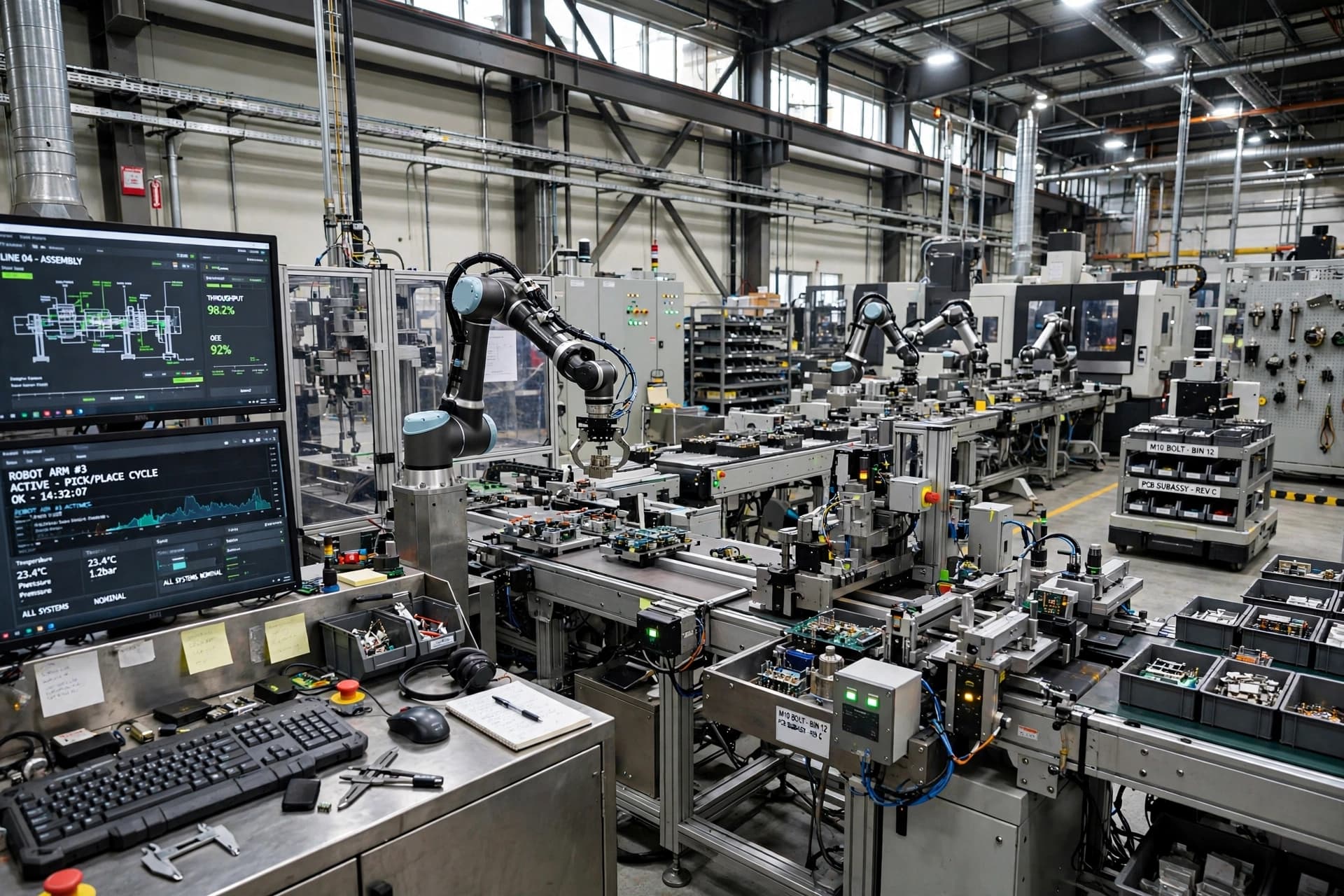
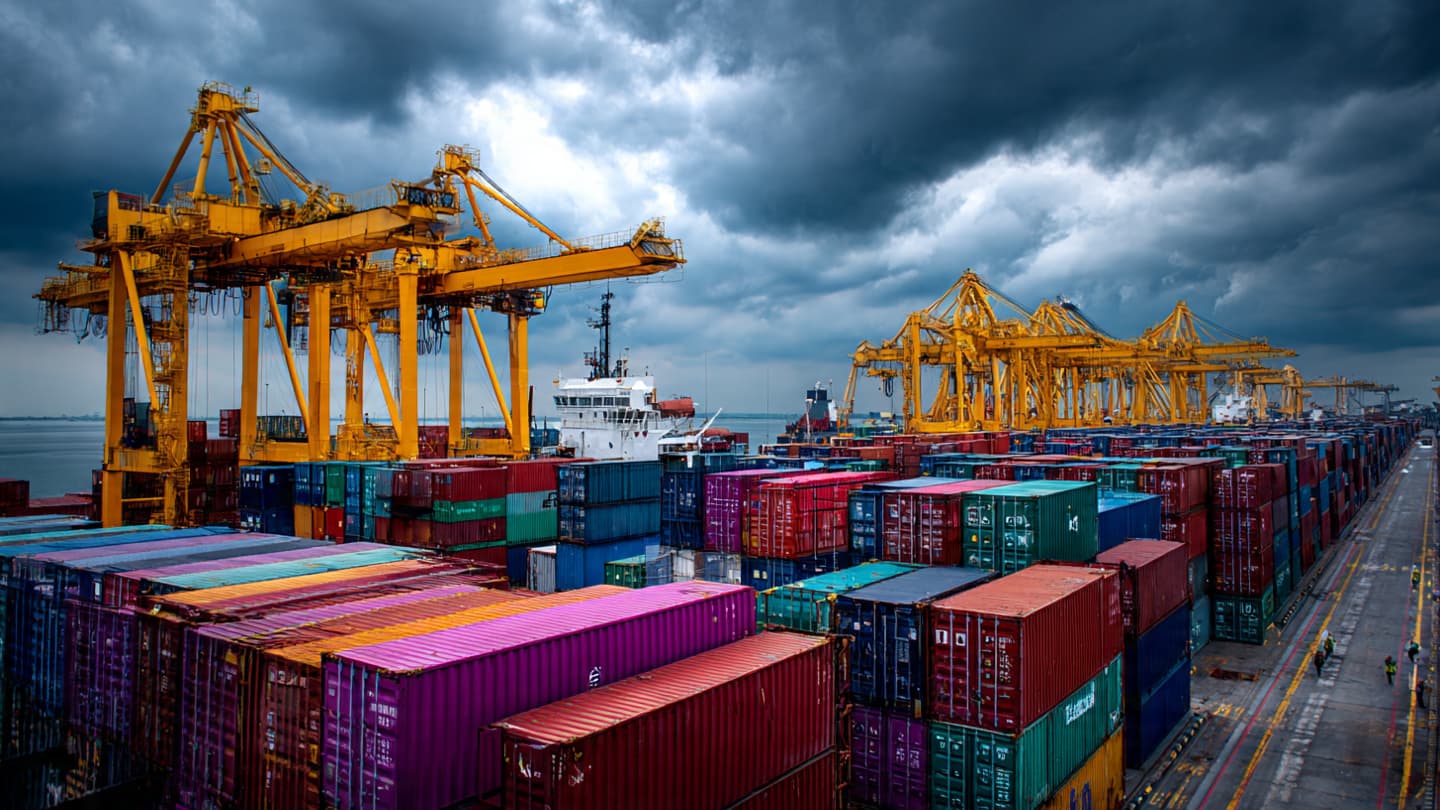
Images in this article are AI-generated illustrations, meant for concept only.
SOURCE CHECK
Reuters S&P Global Bloomberg Financial Times Les Echos
Published by Banx Network. This article is part of the Banx decentralized media programme, powered by the BXE token on the XRP Ledger.