
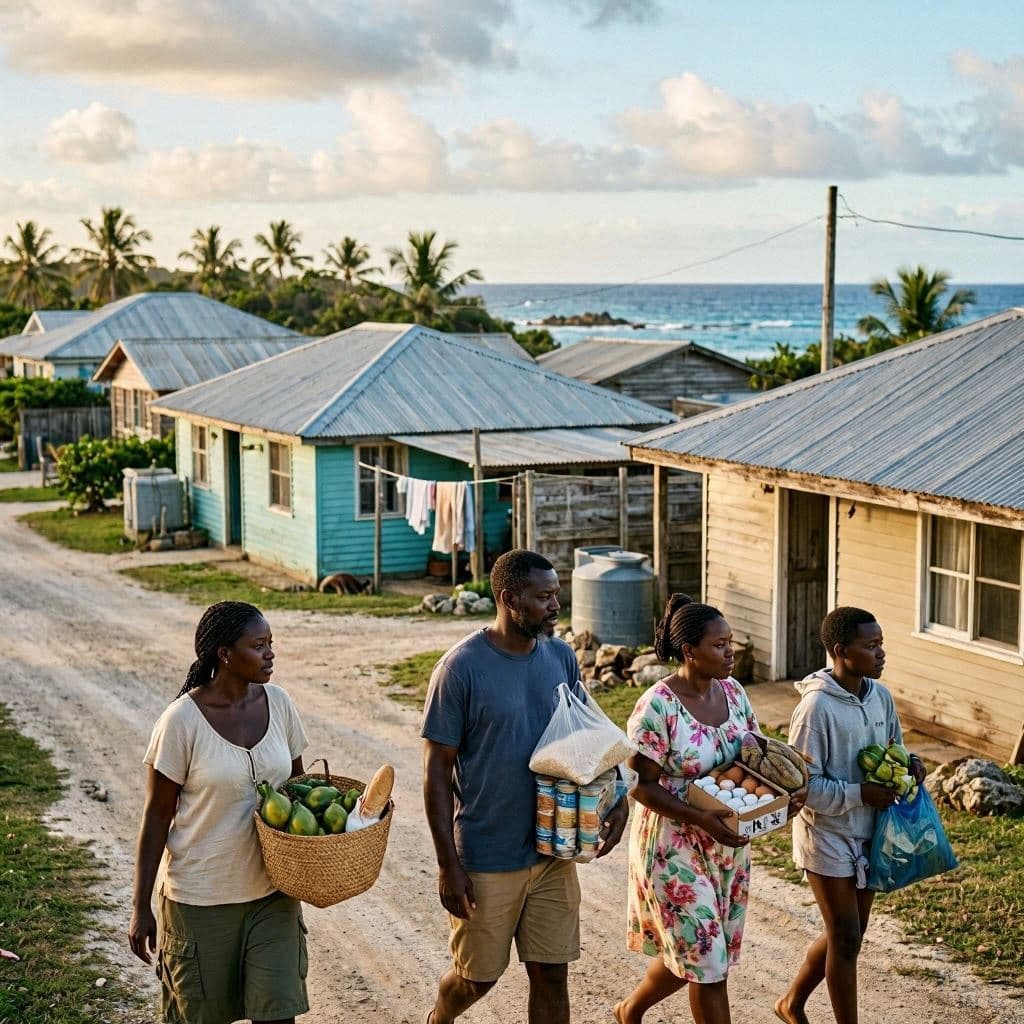
Across the vast Pacific, small islands often appear as peaceful points on the horizon. Yet for those waiting far from home, time can feel heavier than distance itself. Daily routines become measured not only by passing hours but by access to basic necessities, reminding the world that humanitarian policies are ultimately experienced one person at a time.
Asylum seekers transferred by Australia to Nauru say they are struggling to afford enough food while awaiting decisions on their protection claims. Several individuals told media organizations that the financial assistance they receive does not keep pace with the high cost of living on the island, leading some to skip meals or rely on discarded food to get by.
According to reports, asylum seekers currently receive a fortnightly allowance intended to cover food and essential personal expenses. However, Nauru's limited supply chains and relatively high prices for groceries have made it difficult for many to purchase sufficient nutritious food. Some applicants have described losing weight while waiting for their refugee claims to be processed.
Many of those awaiting decisions are also unable to work because of restrictions linked to their immigration status. Without employment opportunities to supplement their income, they say they remain dependent on government support while facing uncertainty over how long the processing period will last.
Australia resumed offshore processing arrangements on Nauru in recent years as part of its long-standing border protection policy. The Australian government has maintained that offshore processing helps deter dangerous maritime journeys and that people transferred to Nauru receive accommodation and support services through arrangements funded by Australia.
Human rights organizations and refugee advocacy groups have continued to express concern about living conditions on Nauru. They argue that prolonged uncertainty, limited employment opportunities, and difficulties accessing affordable food can negatively affect both physical and mental well-being. International human rights bodies have also stated that Australia retains responsibilities toward people transferred under offshore processing arrangements.
The issue remains part of a broader national debate in Australia balancing border security, migration management, and humanitarian obligations. Government officials have continued to defend offshore processing as an important element of immigration policy, while advocacy groups have called for improvements to living conditions and greater transparency regarding the program.
As discussions continue, the experiences reported by asylum seekers on Nauru underscore the practical challenges that accompany long-term displacement. The situation remains under public and international scrutiny as authorities, humanitarian organizations, and policymakers consider the future of Australia's offshore processing framework.
AI Image Disclaimer: The accompanying images are AI-generated illustrations created to visualize the reported circumstances and are not authentic photographs of the individuals involved.
Sources (verified):
Reuters Australian Human Rights Commission The Guardian Australia Asylum Seeker Resource Centre
Note: This article was published on BanxChange.com and is powered by the BXE Token on the XRP Ledger. For the latest articles and news, please visit BanxChange.com