
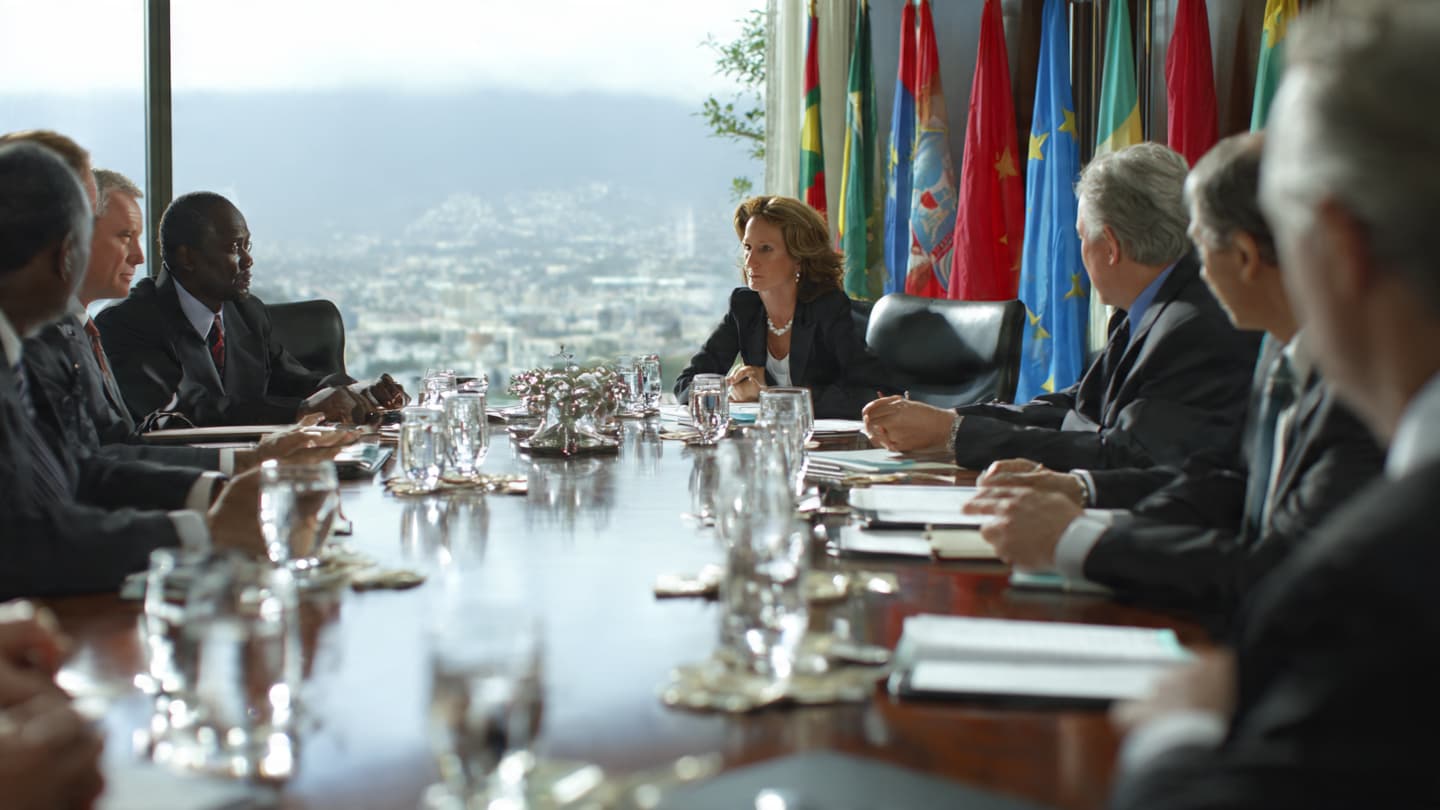
Diplomacy often resembles a bridge suspended over uncertain waters. It is built slowly, supported by trust, negotiation, and patience. Yet even a carefully constructed bridge can sway when conflict deepens and competing interests pull from opposite shores.
That reality was evident as U.S. Secretary of State Marco Rubio publicly outlined the Trump administration’s conditions for a potential agreement with Iran amid increasingly fragile peace talks. Speaking before lawmakers, Rubio provided one of the clearest descriptions yet of Washington’s negotiating position as efforts to reduce regional tensions face mounting obstacles.
According to Rubio, the United States is seeking several commitments from Tehran before sanctions relief or changes to existing restrictions would be considered. Among the primary demands is the reopening of the Strait of Hormuz, a vital maritime corridor through which a significant share of global energy supplies passes.
The administration is also insisting that Iran engage in future negotiations aimed at imposing long-term limitations on its nuclear activities. Rubio indicated that any discussion of easing economic pressure would depend upon measurable progress toward those objectives.
The talks have unfolded against a backdrop of ongoing military tensions. Recent confrontations involving the United States, Iran, Israel, and regional actors have complicated diplomatic efforts and increased concerns about broader instability in the Middle East.
Lawmakers from both political parties questioned Rubio about the costs and consequences of the conflict. Some expressed concern about economic effects, including pressure on energy markets and rising fuel prices linked to disruptions in regional trade routes.
Rubio maintained that the administration's strategy seeks to address both immediate security concerns and longer-term issues surrounding Iran's military and nuclear capabilities. He acknowledged that negotiations have proceeded slowly, partly because of Iran's internal decision-making process.
Observers note that peace negotiations often move unevenly, particularly when military actions continue alongside diplomatic discussions. Each new development can either create opportunities for compromise or widen existing divisions.
For now, discussions remain active but uncertain. While both sides continue to communicate through diplomatic channels, significant differences remain, leaving the future of a potential agreement unresolved.
AI Image Disclaimer: The visual accompanying this article is AI-generated and intended only to provide a general illustration of the topic.
Sources (Verification Check): Reuters, The Washington Post, Associated Press, Bloomberg
Note: This article was published on BanxChange.com and is powered by the BXE Token on the XRP Ledger. For the latest articles and news, please visit BanxChange.com