There are moments when global politics feels less like negotiation and more like the slow movement of weather itself — pressure building quietly across oceans until even distant capitals begin to feel the shift. Climate change has long carried that kind of presence: gradual, uneven, impossible to confine neatly within borders. For years, warnings arrived through scientific reports, rising temperatures, stronger storms, and disappearing coastlines. Now, increasingly, they are arriving through courts, resolutions, and legal language.
This week, the United Nations moved one step closer toward what many observers are calling a historic climate accountability ruling after member states backed a major resolution despite reported efforts by the United States to weaken or delay aspects of the initiative. The measure seeks an advisory opinion from the International Court of Justice regarding countries’ legal obligations in addressing climate change and the consequences for states that fail to act responsibly.
The resolution itself emerged from years of advocacy led largely by vulnerable island nations and youth climate activists, particularly from Pacific countries already confronting rising sea levels, coastal erosion, and extreme weather events. For many of those nations, climate change is no longer discussed primarily as a future environmental challenge, but as an immediate question of survival.
Inside the UN General Assembly, support for the measure reflected a growing international consensus that climate responsibility may increasingly require legal interpretation alongside political promises. Diplomats backing the initiative argued that existing climate agreements, while symbolically important, have often lacked sufficient mechanisms for accountability and enforcement.
According to multiple reports, the United States attempted during negotiations to soften the wording surrounding legal obligations and state responsibility. American officials reportedly expressed concern that overly broad legal interpretations could expose countries to complex liability claims or create unintended international legal consequences.
Yet despite those efforts, the resolution advanced with broad international backing. For smaller and climate-vulnerable nations, the outcome represented more than procedural diplomacy. It carried emotional and symbolic weight, especially for countries that have spent years arguing that major industrial powers should bear greater responsibility for emissions accumulated over generations.
The advisory opinion requested from the International Court of Justice would not automatically create binding enforcement measures. Still, legal scholars say such opinions can significantly influence international law, future litigation, environmental treaties, and national climate policies. In many ways, the process signals how climate change is increasingly moving from scientific debate into the realm of legal accountability.
That transition marks an important evolution in global climate politics. Earlier decades often centered on whether climate change itself was occurring or how severe its effects might become. Today, the conversation has shifted toward responsibility, adaptation, compensation, and justice.
Across vulnerable regions, the stakes already feel deeply personal. Pacific island nations such as Vanuatu, which played a leading role in pushing the resolution forward, have repeatedly warned that rising seas threaten not only infrastructure and economies, but cultural heritage, sovereignty, and national identity itself. Entire communities now face questions about migration, displacement, and the long-term future of land that has existed for centuries.
The United States remains one of the world’s largest economies and historically one of the largest contributors to greenhouse gas emissions. At the same time, Washington has also invested heavily in renewable energy programs and climate initiatives in recent years. That dual reality often places American diplomacy in a complicated position during international climate negotiations — balancing domestic political considerations, economic concerns, and global environmental pressure simultaneously.
Observers say the broader significance of the UN vote lies not only in its legal implications, but in what it reveals about shifting global attitudes. Climate diplomacy increasingly appears shaped by smaller nations demanding recognition alongside major powers, particularly those whose emissions and industrial growth historically contributed most to warming trends.
The debate also reflects a deeper philosophical question now emerging in international law: whether environmental destruction can remain treated solely as a political issue, or whether it must increasingly be viewed as a matter involving rights, obligations, and accountability across generations.
Even supporters of the resolution acknowledge that the path ahead remains uncertain. Advisory opinions from international courts do not instantly transform policy or compel governments to act. But they can gradually influence norms, negotiations, and public expectations over time.
For now, the UN vote stands as another sign that climate change is reshaping not only ecosystems and economies, but also the legal vocabulary through which nations understand responsibility itself. And as temperatures continue rising across continents and oceans alike, the world’s political institutions appear increasingly unable to separate environmental questions from the broader structure of international order.
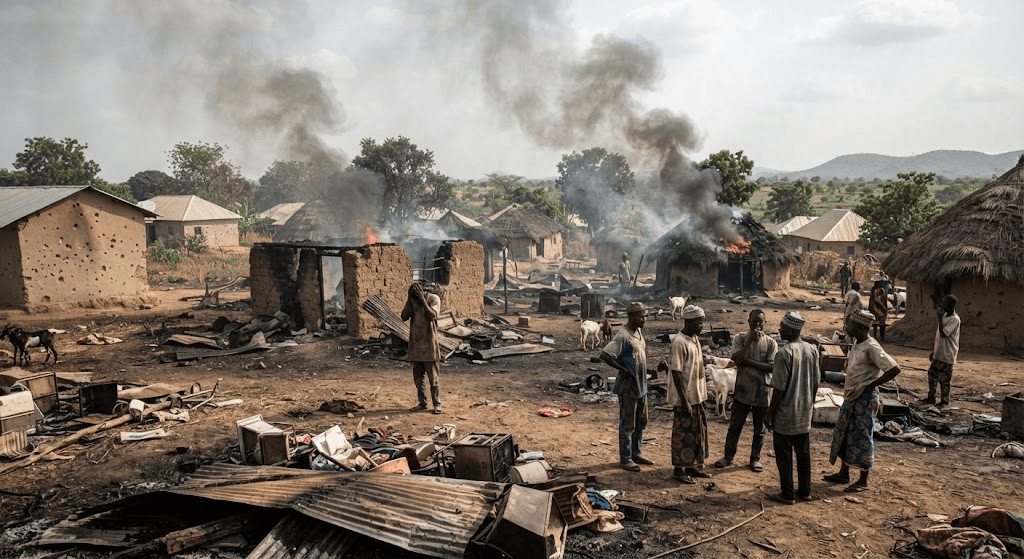
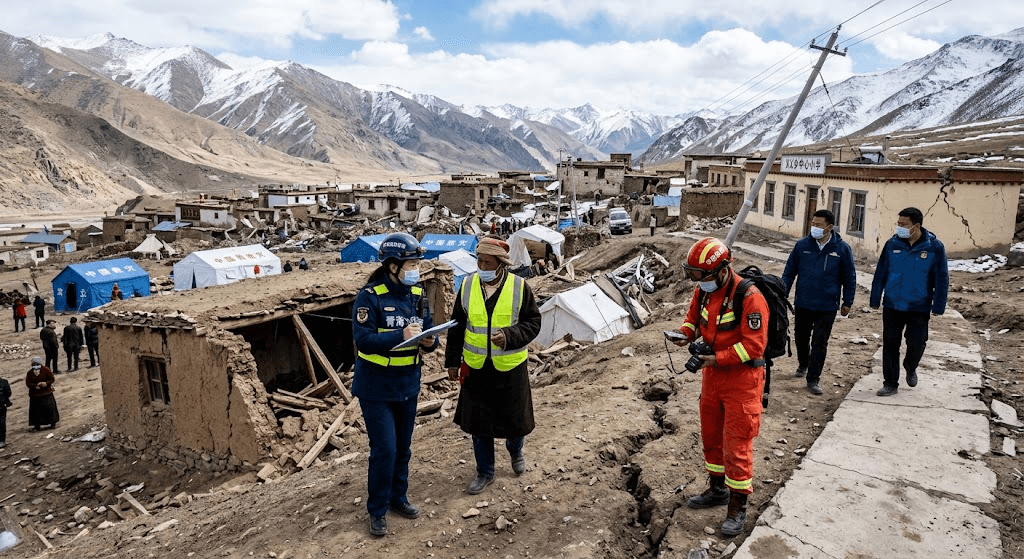
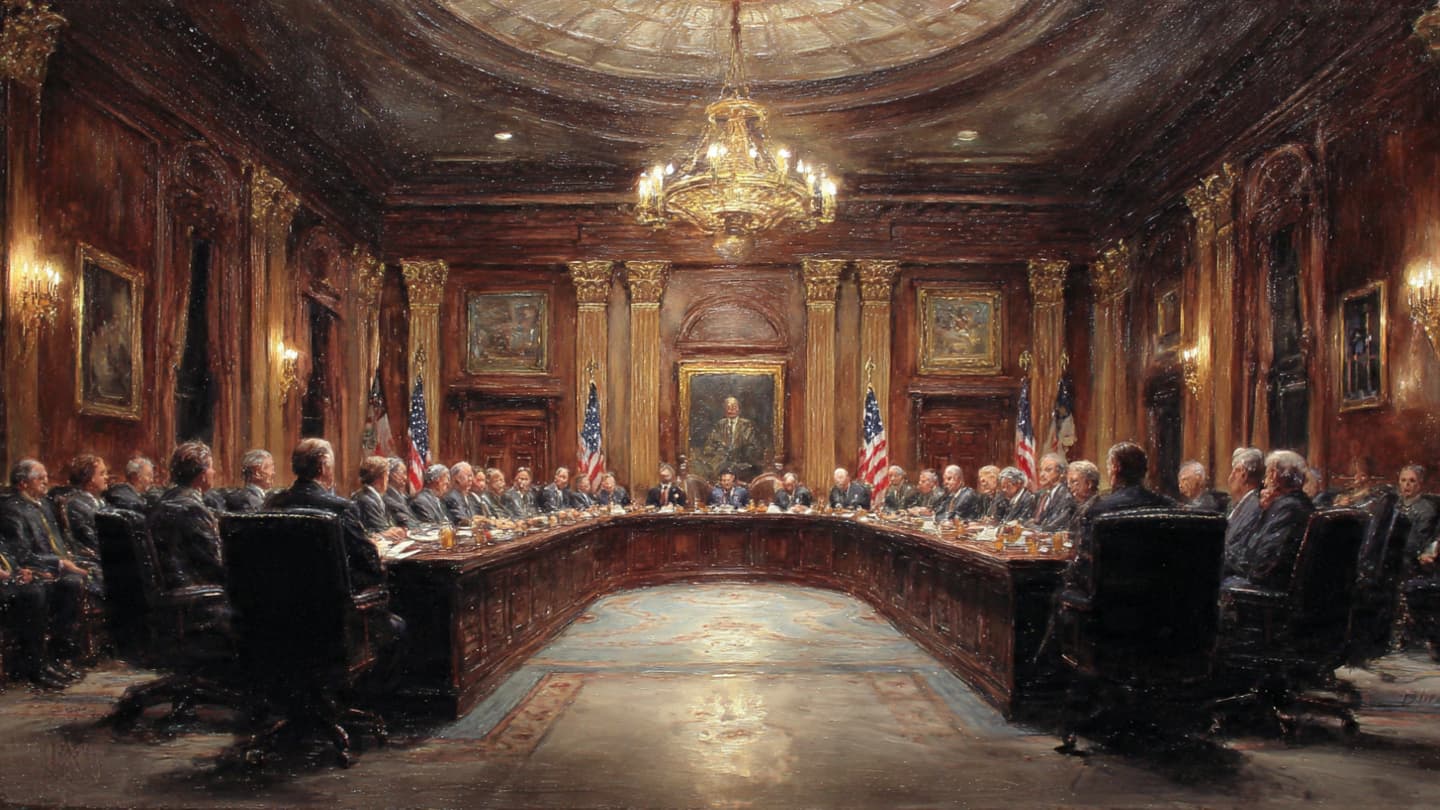
AI Image Disclaimer Graphics are AI-generated and intended for representation, not reality.
Sources Reuters Associated Press (AP) The Guardian BBC Al Jazeera Climate Home News The New York Times CNN UN News Financial Times
Published by Banx Network. This article is part of the Banx decentralized media programme, powered by the BXE token on the XRP Ledger.