Modern physics often resembles a conversation held at the edge of the unknown. Concepts emerge that sound almost poetic, yet they arise from rigorous mathematics and theoretical investigation. One such idea is the spacetime crystal, a theoretical structure whose unusual properties have recently attracted attention because under certain conditions it may transform into something far more dramatic: a black hole.
The concept builds on the broader idea of crystals, which exhibit repeating patterns in space. A spacetime crystal extends this notion by introducing patterns that repeat not only across space but also through time. Such structures remain largely theoretical but provide useful frameworks for exploring fundamental laws of nature.
Recent mathematical investigations suggest that certain spacetime crystal configurations may possess unexpected instability. Under specific circumstances, the arrangement could accumulate energy or undergo changes that alter its overall structure.
Researchers studying these systems found that the same equations governing spacetime can sometimes predict a transition toward gravitational collapse. In theoretical models, this process could eventually produce conditions associated with black hole formation.
The possibility is intriguing because it links two very different areas of physics. On one side stands the elegant concept of repeating spacetime patterns; on the other lies the extreme gravity of black holes, where matter and energy become concentrated within a remarkably compact region.
Scientists emphasize that these findings exist primarily within mathematical and theoretical frameworks. No spacetime crystal of this type has been directly observed in nature, nor has such a transformation been witnessed experimentally. Nevertheless, theoretical studies often serve as important guides for future exploration.
The work also contributes to broader efforts to reconcile gravity with quantum theory. Many of physics' biggest questions emerge where these fields intersect, and unusual models sometimes reveal connections that traditional approaches overlook.
As researchers continue refining their calculations, they hope to better understand whether these structures could exist in the real universe or remain mathematical possibilities. Either outcome can provide valuable insight into the behavior of spacetime itself.
For now, the study highlights the continuing creativity of modern theoretical physics. By examining how exotic spacetime patterns might evolve into black holes, scientists are exploring new pathways toward understanding some of the universe's deepest mysteries.
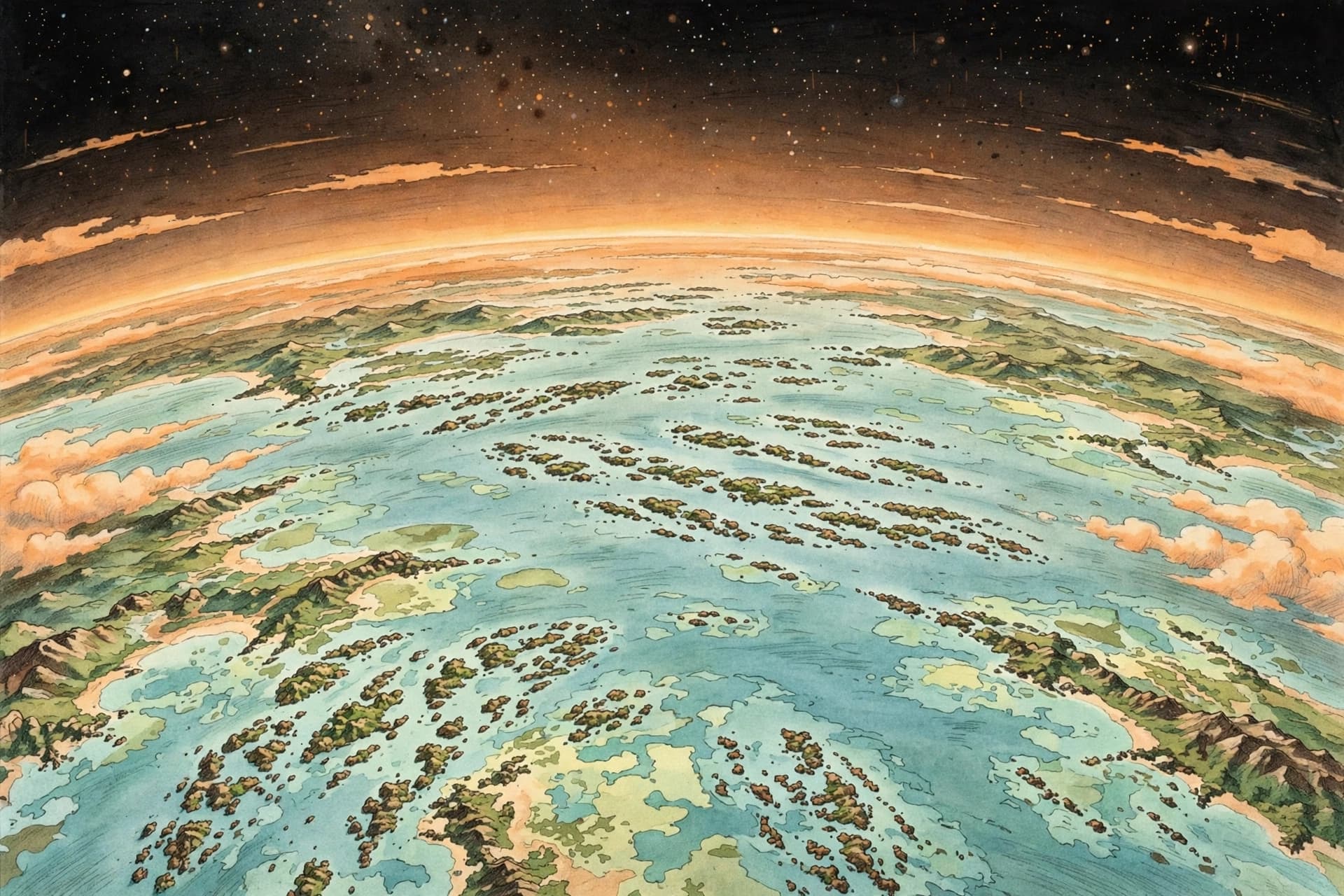
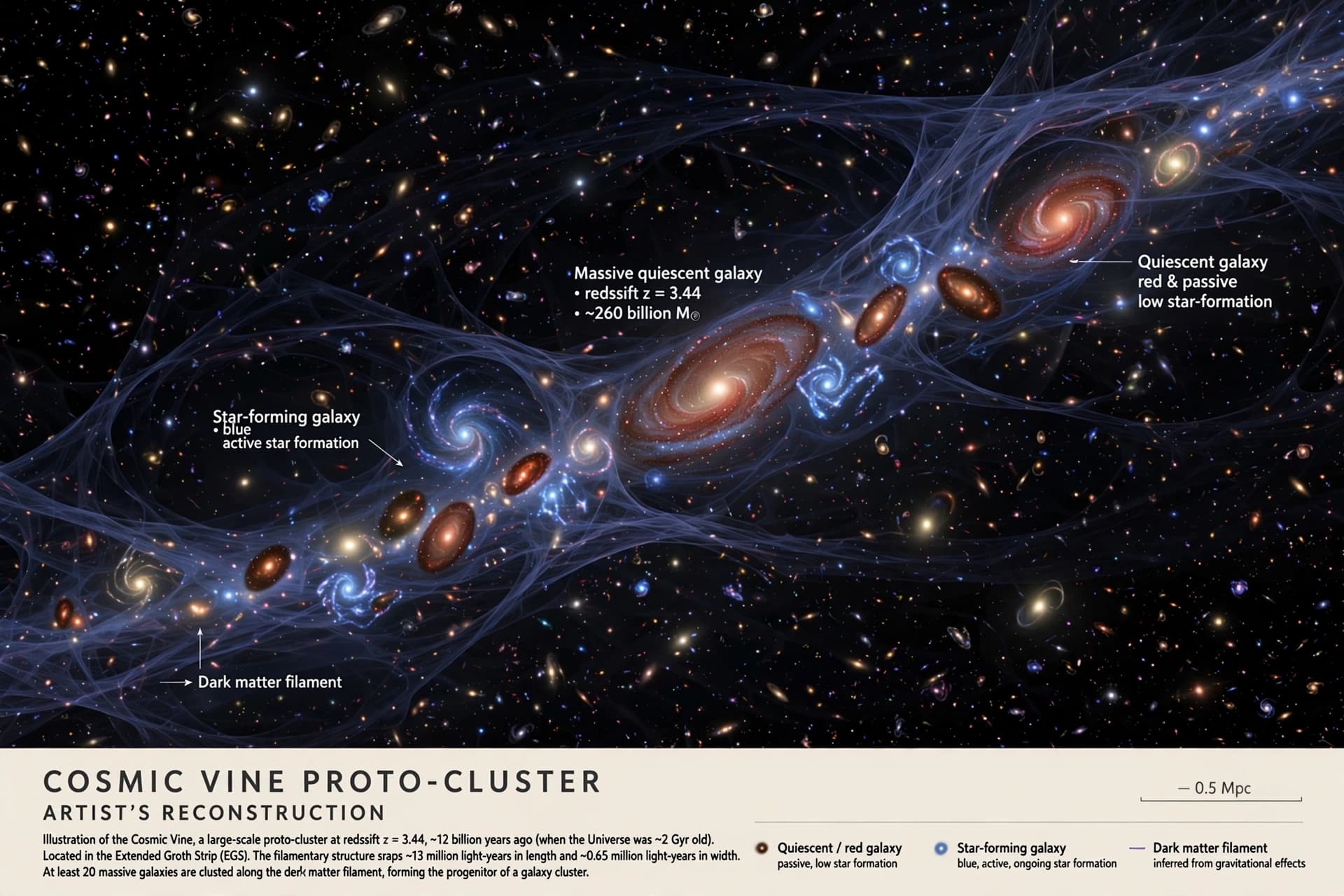
AI Image Disclaimer: Any visual representations associated with this article are AI-generated artistic renderings inspired by theoretical physics concepts.
Sources Verification Check: Physical Review journals Phys.org New Scientist Scientific American University physics departments
Published by Banx Network. This article is part of the Banx decentralized media programme, powered by the BXE token on the XRP Ledger.