Disease investigations often begin with fragments of a story rather than a complete picture. A place, a date, a gathering, or a single event can become the starting point for understanding how an outbreak emerged. In the search to identify the origins of an Ebola outbreak, researchers traced a path that led through a funeral, a damaged coffin, and a series of human interactions that revealed the complexity of disease transmission.
Public health experts frequently work backward when investigating outbreaks. Their goal is to identify the earliest known infections and determine how a disease first entered a community. This process is especially important in outbreaks involving highly infectious pathogens such as Ebola.
According to reports surrounding the investigation, attention focused on events linked to funeral practices and the handling of human remains. Such settings can become significant in Ebola outbreaks because the virus may remain present in bodily fluids after death.
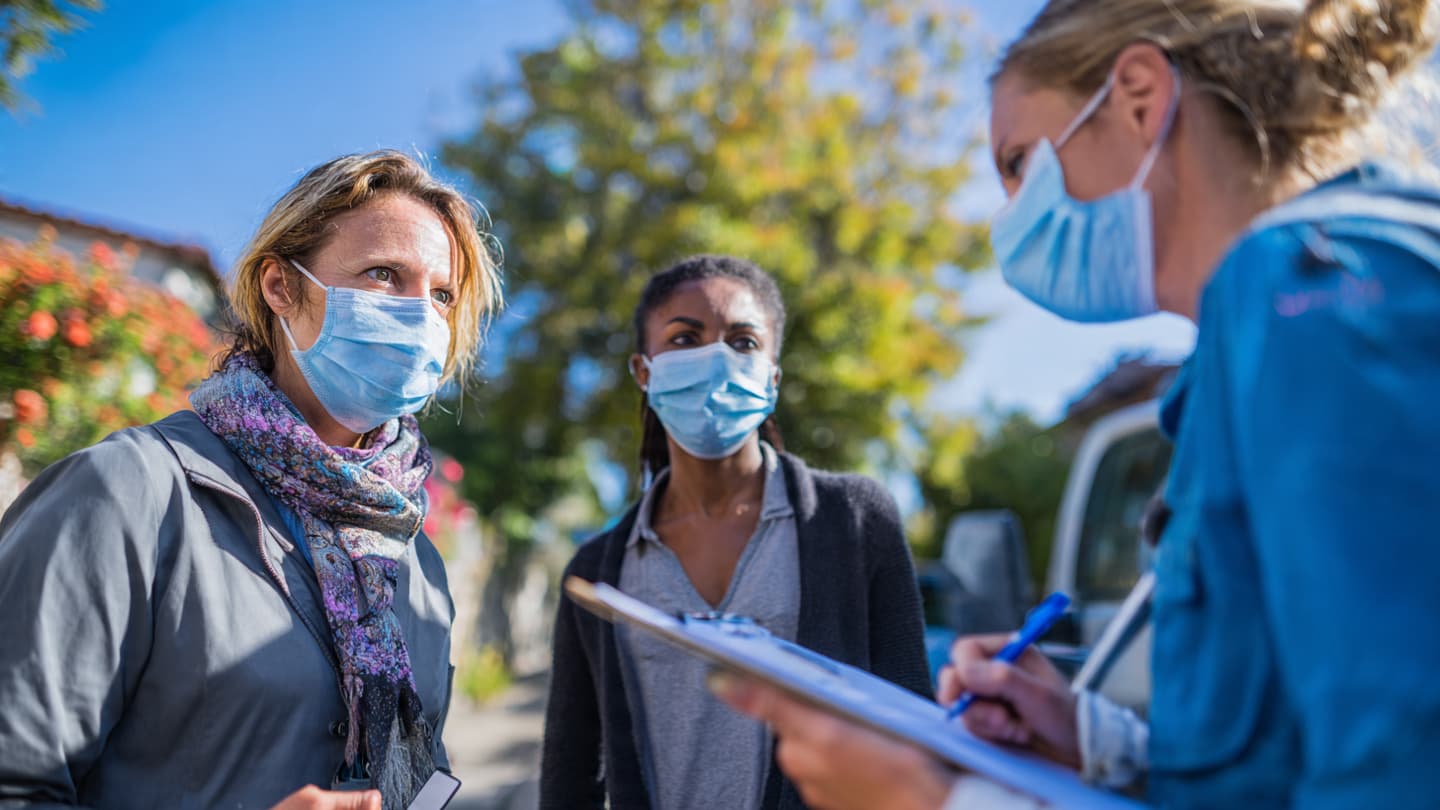
Researchers examined witness accounts, medical records, and transmission chains to reconstruct the sequence of events. The effort required collaboration among epidemiologists, healthcare workers, local authorities, and community leaders.
The search for a so-called "patient zero" is not always straightforward. In many outbreaks, the earliest identified patient may not necessarily be the first person infected. Instead, investigators seek the most probable origin point based on available evidence.
Funeral traditions hold deep cultural and social significance in many communities. Public health officials often work closely with local populations to balance disease prevention measures with respect for established customs and practices.
The investigation also highlights the importance of rapid response systems. Early identification of transmission routes can help health authorities contain outbreaks before they spread more widely.
Scientists emphasize that outbreak reconstruction serves a practical purpose beyond historical understanding. Lessons learned from one event can improve preparedness and response strategies for future public health emergencies.
As researchers continue refining their understanding of Ebola transmission, investigations such as this provide valuable insights into how outbreaks begin and how communities can be protected through timely intervention and cooperation.
AI Image Disclaimer: Some illustrations accompanying this article may be AI-generated visual reconstructions based on public health investigations and historical events.
Sources Verification Check:
World Health Organization (WHO) Reuters Associated Press Centers for Disease Control and Prevention (CDC) The Lancet
Published by Banx Network. This article is part of the Banx decentralized media programme, powered by the BXE token on the XRP Ledger.