
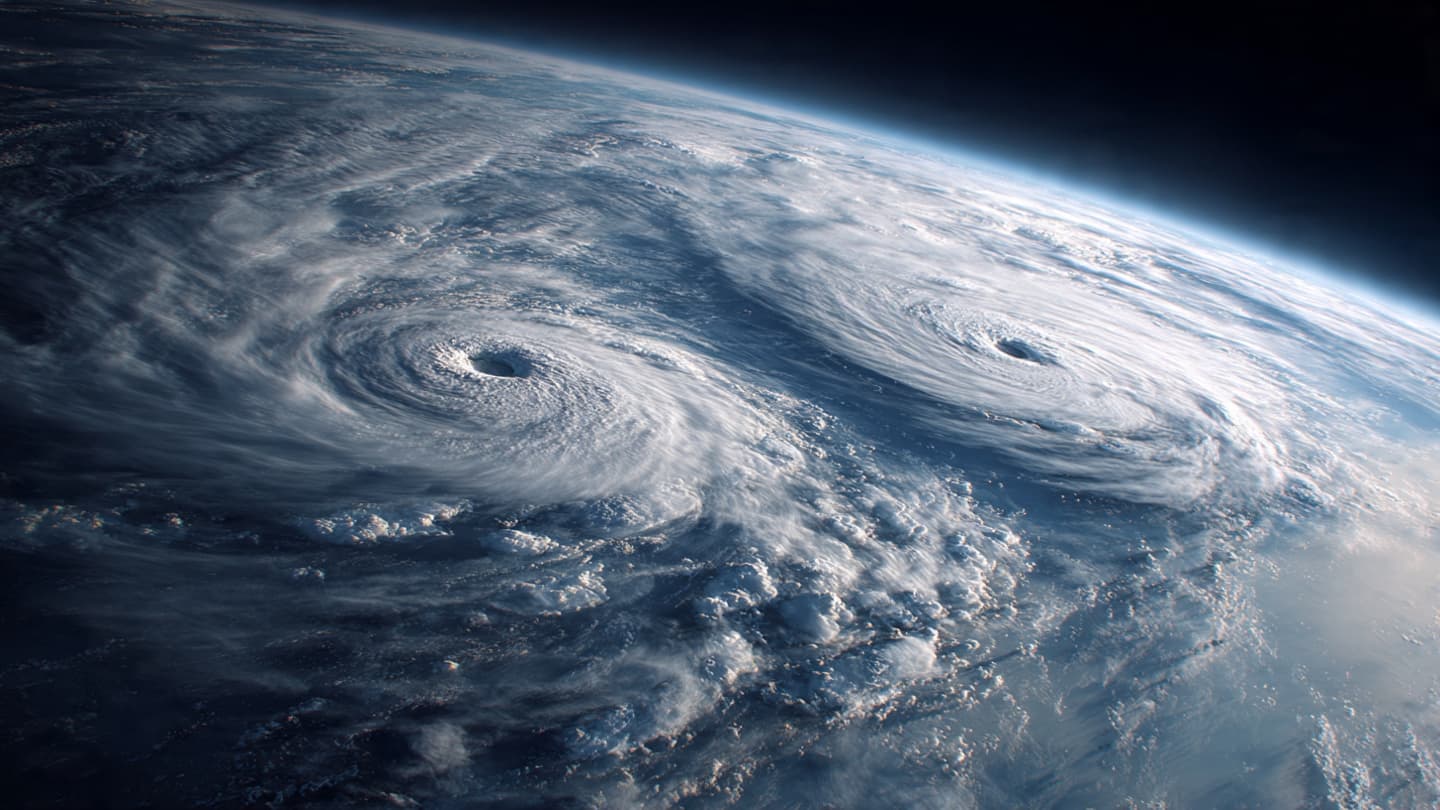
Weather has always been dynamic, shaped by shifting air masses and ocean currents. Yet in recent years, scientists have observed changes not only in intensity but also in the frequency and structure of extreme weather events.
Body: Research indicates that heatwaves, heavy rainfall, and powerful storms are occurring more often in multiple regions of the world. These changes are being studied in the context of broader climate variability and long-term warming trends.
Warmer global temperatures increase the amount of moisture the atmosphere can hold, which can intensify precipitation events. At the same time, higher ocean temperatures can fuel stronger storm systems.
Climate scientists use advanced modeling systems to understand how these variables interact. These models integrate satellite data, ocean measurements, and atmospheric observations to simulate future scenarios.
While natural variability plays a role in weather patterns, long-term datasets suggest a measurable shift in the baseline conditions that shape extreme events.
Infrastructure systems in many countries are being tested by these changes. Flood control, agriculture, and energy distribution are all sensitive to shifts in climate stability.
Researchers emphasize that understanding these trends is essential for adaptation planning. Early warning systems and improved forecasting models are becoming increasingly important tools for resilience.
Despite the complexity of the data, one pattern is clear: variability itself is becoming more pronounced in many regions.
Closing: As scientists continue to refine their understanding, the study of extreme weather remains a critical part of preparing for a changing environmental future.
AI Image Disclaimer: All visuals are AI-generated and intended for conceptual representation of climate phenomena.
Sources: IPCC Reports, NOAA, NASA Climate, Nature Climate Change, World Meteorological Organization
Published by Banx Network. This article is part of the Banx decentralized media programme, powered by the BXE token on the XRP Ledger.



